Microneedling for surgical scars has gained attention as a treatment option, but does it work? Recent clinical research suggests it may help improve scar appearance, especially when performed early after surgery.
Understanding Microneedling for Scar Treatment
The treatment works by creating controlled damage that your body recognizes and repairs. Topical creams sit on the surface, but microneedling reaches the deeper dermal layers where scar tissue forms. This targeted approach allows the procedure to address the structural issues within scars rather than just their appearance.
What Happens During a Microneedling Session?
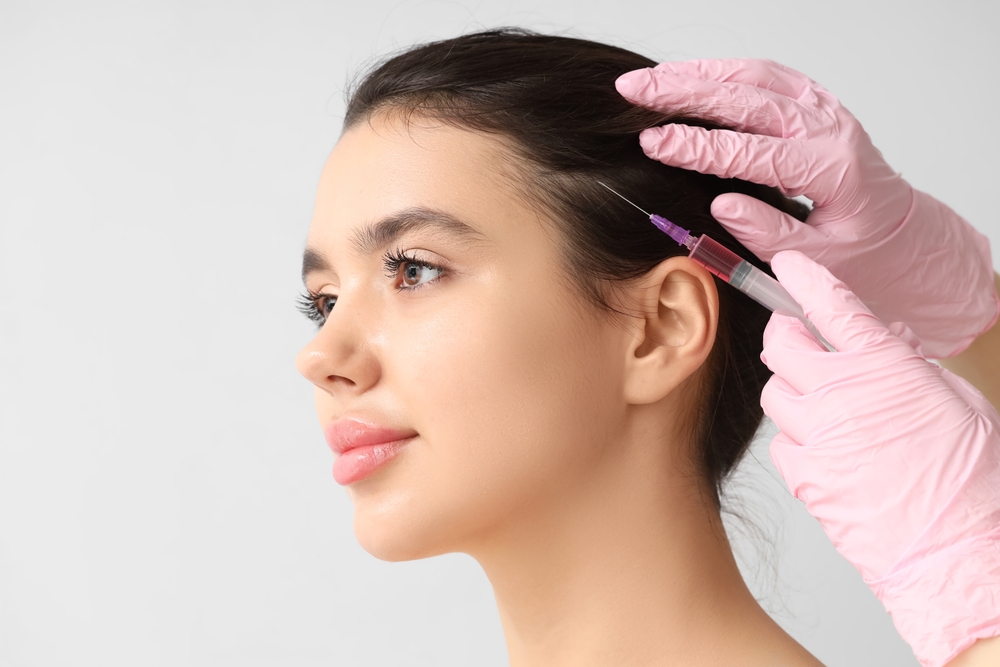
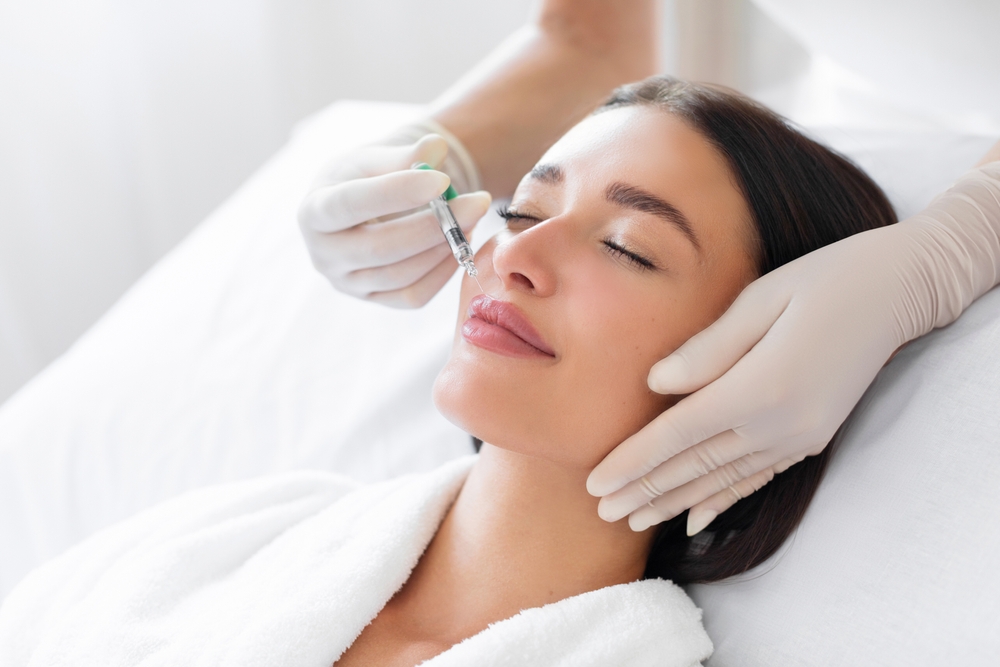
Your Beauty Vault practitioner will apply a topical numbing cream containing lidocaine to the treatment area[1]. Your practitioner will then use a specialized device to treat the scarred area. The device may be a handheld roller with fine needles, an electric pen, or a stamping tool. Each creates precise, microscopic punctures in your skin[15]. Your Beauty Vault practitioner adjusts needle length based on your scar depth and location.
The practitioner makes multiple passes over the scarred area in different directions to ensure complete coverage. You might feel warmth or a scratching sensation during treatment[15]. Some pressure near bony areas is normal. The session continues until uniform bleeding points appear across the treated area, which signals that adequate depth has been reached[2].
A complete microneedling session takes 30 to 90 minutes depending on the size of the area getting treatment[15][4]. Your skin will look pink or red right after, similar to a moderate sunburn[4]. Expect minor bleeding during the procedure, especially when you have deeper needle depths[15].
Why Do Dermatologists Recommend It for Surgical Scars?
Microneedling creates microscopic injuries in the skin’s dermal layer. The tiny punctures stimulate your skin to produce fresh collagen and elastin through a process called dermal remodeling[22]. The procedure tricks your body into thinking it needs to heal and reactivates the natural repair process.
Practitioners at Beauty Vault may recommend microneedling for surgical scars because the treatment offers advantages over other scar revision methods. The needles puncture the epidermis without removing it. This makes the procedure safe to repeat if necessary[2]. This approach also works on body areas where laser treatments or deep chemical peels cannot be performed safely[2].
The procedure carries minimal risk of skin discoloration compared to treatments that use heat, light, or lasers[15]. This safety profile makes microneedling suitable for all skin tones. Darker skin types face higher risks of hyperpigmentation with other treatments[12][15]. The micro-channels cause little epidermal damage, which explains why post-inflammatory pigmentation rarely occurs[1].
The Science Behind Microneedling Benefits
Your body responds to microneedling through a sophisticated wound healing cascade that begins the moment needles penetrate your skin. These biological responses explain why microneedling for surgical scars may produce visible improvements and why timing matters so much.
How the Procedure Triggers Natural Healing
The controlled micro-injuries activate inflammatory mediators that initiate a three-step wound healing process that drives collagen, elastin, and glycosaminoglycan production[23].
Your skin reacts with mild inflammation and increased circulation as early cellular turnover begins in the first few days[24]. Blood vessels and capillaries sustain localized damage from the needle punctures and trigger platelet activation[25]. This cascade releases additional growth factors including fibroblast growth factor, which plays a central role in what happens next[25].
Fibroblasts migrate to the wounded area and begin synthesizing new structural proteins[23]. These cells determine where new collagen gets deposited, and that collagen may remain in place for five to seven years before it degrades naturally[23]. Fibroblasts arrange themselves into a fibronectin matrix that serves as a framework for new tissue formation about five days after your microneedling session[23].
The micro-channels also promote angiogenesis, the formation of new blood vessels[13]. Vascular endothelial growth factor released during healing increases blood circulation and boosts tissue repair by promoting vasodilation[23]. Better blood flow means improved nutrient delivery to the treated area, which supports the ongoing healing process[13].
Changes in Collagen and Elastin Production
Fibroblasts produce collagen that contributes to the firmness of your healed skin [23]. Collagen remodeling unfolds over time rather than right away. New fibers replace older, weaker ones over the following weeks and reinforce your skin’s structure[24]. Peak collagen production occurs around four to six weeks after treatment, which is typically when your skin appears firmer, smoother, and more evenly toned [24].
Elastin follows a different pattern. Elastin formation increases three months after the original microneedling treatment[23].
The Difference Between Early and Late Intervention
Research comparing treatment timing reveals substantial differences in outcomes. Patients who started microneedling for surgical scars six to seven weeks after surgery showed better improvement compared to those who waited 13 to 16 weeks[9].
Early intervention appears more effective because it reactivates the healing process when collagen production has started to decline[9]. Treatment at this point may guide the healing process toward healthier Type I collagen and elastic fiber growth[10]. Waiting until a scar matures fully means working against more established, disorganized scar tissue.
Microneedling for Scars on Body vs. Face
Location matters less than you might expect when it comes to microneedling scar removal. Research tracking 120 patients found no clinical differences between facial scars versus nonfacial scars in treatment response[5]. A study of 25 women with various surgical scars showed similar outcomes for patients with scars located on the body versus face[9].
Treatment Differences by Location
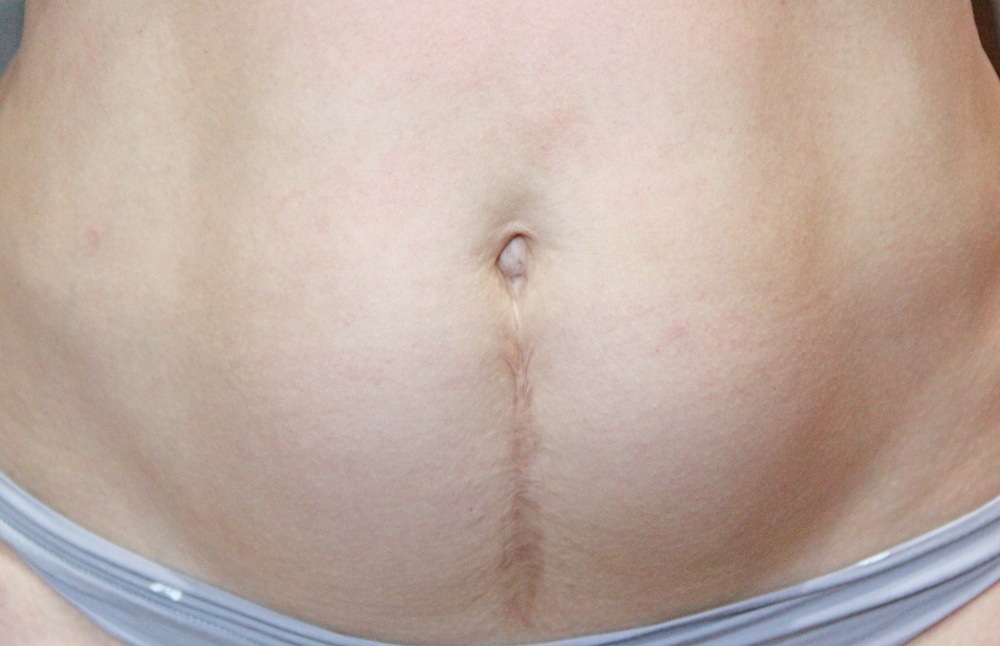
Your Beauty Vault practitioner adjusts needle depth based on where your scar sits. Facial treatments use shorter needles ranging from 0.5 to 2 millimeters. Body scars, especially those on the abdomen or thighs, often need deeper penetration up to 3 millimeters to reach the scar tissue.
Expected Outcomes for Different Scar Types
Scar shape influences your results more than location. Boxcar scars, which have U-shaped depressions, and rolling scars with M-shaped contours showed the greatest clinical improvement after microneedling or fractional radiofrequency microneedling[1]. These broader, shallower scars respond especially well to collagen remodeling.
Icepick scars, characterized by their narrow V-shaped appearance, often proved stubborn[1]. These deep, narrow scars may need combination treatments beyond microneedling alone. Rolling and boxcar scars showed good to very good response after three months of treatment, while icepick scars showed only moderate improvement[2].
The Complete Treatment Process
Treatment planning begins with determining how many sessions your specific scar requires. Most protocols involve three to six microneedling sessions spaced four to six weeks apart[9][5]. Your scar’s age influences this number. Older, mature scars may require additional sessions because their collagen becomes more densely cross-linked and resistant to remodeling[14]. Hypertrophic scars often respond within three to four sessions, while deep atrophic scars or contracture scars may need six or more[14].
What Should You Expect During Recovery?
Your skin will look red and feel warm right after treatment, much like moderate sunburn[7]. This redness should reduce substantially within 24 to 48 hours[6][15]. Mild swelling, burning, itching, and skin tightness are common for the first three to five days[1][7]. Some flaking or peeling may occur starting around day three as your skin repairs itself[16][17].
You can return to normal activities within 24 hours[18]. But avoid strenuous exercise, heat exposure, and swimming until your skin fully calms—three to seven days in most cases[7][19]. Apply broad-spectrum sunscreen with SPF 30 or higher and avoid direct sun exposure for at least two weeks[7][20].
Combining Microneedling with Other Treatments
Platelet-rich plasma represents the most studied combination approach. Your blood gets processed to concentrate platelets containing growth factors, which are then applied during microneedling[21][18]. Studies found combination treatments with laser, subcision, or chemical peels resulted in greater scar improvement than microneedling alone[1].
Microneedling for surgical scars may offer meaningful improvement when you choose the right timing and approach. A consultation with a practitioner at Beauty Vault in West Hollywood could help determine whether microneedling might address your specific concerns. Call us today at (323) 800-6770 or fill out our contact form to schedule an appointment.
FAQs
Q1. Can microneedling improve older, established surgical scars?
Yes, microneedling can improve older surgical scars by stimulating collagen remodeling and triggering the skin’s natural healing response. However, mature scars typically require more treatment sessions (often six or more) because their collagen becomes more densely cross-linked over time. While significant improvement is possible, the procedure rarely eliminates scars completely.
Q2. How many microneedling treatments are typically needed for surgical scars?
Most surgical scars require three to six microneedling sessions spaced four to six weeks apart for optimal results. The exact number depends on factors like scar depth, age, and type. Deeper scars or contracture scars may need additional treatments to achieve desired improvement.
Q3. What should I expect during the recovery period after microneedling?
Immediately after treatment, your skin will appear red and feel warm, similar to a moderate sunburn. This redness typically subsides within 24 to 48 hours. You may experience mild swelling, itching, and skin tightness for three to five days, with some flaking or peeling starting around day three. Most people can return to normal activities within 24 hours.
Q4. When is the best time to start microneedling after surgery?
Starting microneedling six to seven weeks after surgery produces significantly better results than waiting longer. Research shows patients who began treatment at this early stage experienced greater improvement compared to those who started at 13 to 16 weeks post-surgery. Early intervention works better because it reactivates healing when the scar is still actively remodeling.
Q5. Does microneedling work equally well on scars located on the body versus the face?
Yes, microneedling shows similar effectiveness for both facial and body scars. Clinical studies found no significant differences in treatment response between facial and nonfacial scars. The main adjustment involves needle depth—body scars often require deeper penetration (up to 3 millimeters) while facial scars typically use shorter needles (0.5 to 2 millimeters).
References
[1] – https://pmc.ncbi.nlm.nih.gov/articles/PMC7764156/
[2] – https://pmc.ncbi.nlm.nih.gov/articles/PMC4509584/
[3] – https://bellaplasticsurgery.com.au/body/microneedling-for-post-surgical-scars/
[4] – https://www.psdermgroup.com/microneedling-for-scars-collagen-stimulation
[5] – https://pubmed.ncbi.nlm.nih.gov/31985622/
[6] – https://www.aad.org/public/cosmetic/scars-stretch-marks/microneedling-fade-scars
[10] – https://www.novuskin.com/microneedling-surgical-scars-before-after/
[12] – https://www.dermatologytimes.com/view/studies-support-microneedling-efficacy-acne-scarring
[13] – https://pmc.ncbi.nlm.nih.gov/articles/PMC11499218/
[15] – https://my.clevelandclinic.org/health/treatments/23113-microneedling
[16] – https://bhskin.com/blog/microneedling-recovery/
[17] – https://lipsanddripsllc.com/how-long-does-take-to-heal-from-microneedling/
[18] – https://www.advancederm.net/the-benefits-of-microneedling-with-prp-treatment/
[19] – https://www.twinportsderm.com/blog/is-there-any-downtime-with-microneedling-treatments/
[20] – https://pmc.ncbi.nlm.nih.gov/articles/PMC4338464/
[21] – https://millcreekderm.com/blog/can-microneedling-be-combined-with-other-skin-treatments/
[22] – https://www.yalemedicine.org/conditions/microneedling
[23] – https://pmc.ncbi.nlm.nih.gov/articles/PMC11993440/
[25] –https://www.eastnd.ca/blog/fun-facts-the-science-behind-microneedling-and-why-it-works