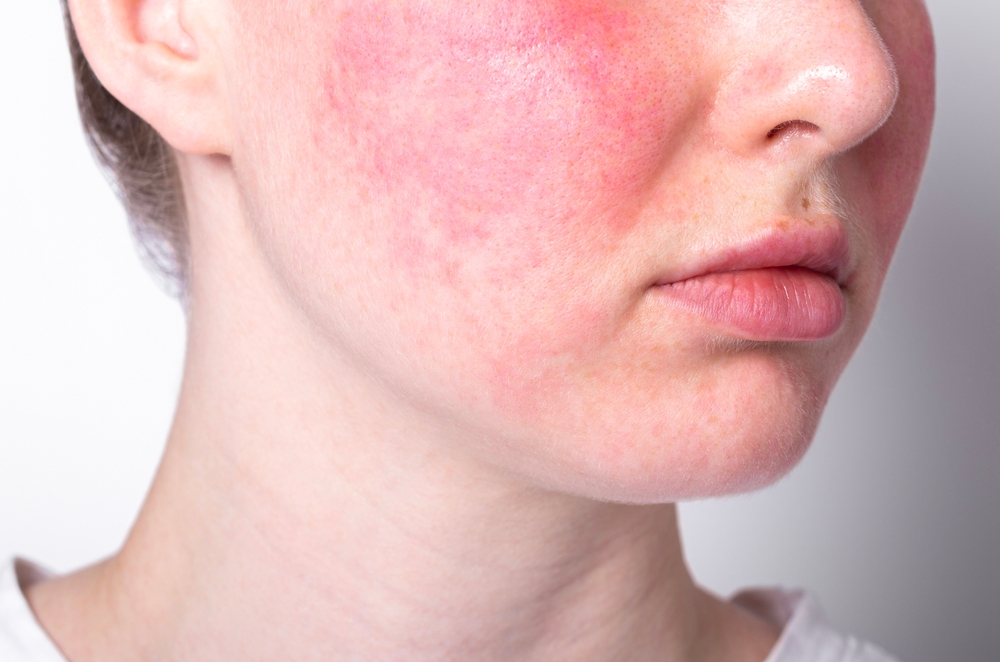
Rosacea can’t be cured, but treatment can help you manage this chronic inflammatory skin condition[30]. This condition mostly affects the central face and occurs more in women than men[11]. Your symptoms may flare up and subside, often triggered by specific factors[31].
Understanding Your Rosacea Triggers
Your triggers won’t match someone else’s. What sends your skin into a week-long flare might not affect another person with rosacea at all. You need to pinpoint what aggravates your condition. This becomes the foundation for how to treat rosacea.
Common Environmental Triggers
Wind ranks as the biggest environmental culprit. Sun exposure can lead to unexpected flushing that lasts for hours, even after brief time outdoors. Temperature extremes work both ways. Hot showers, saunas, and warm weather dilate facial blood vessels and provoke symptoms. Cold, windy conditions irritate sensitive skin just as much.
Heat from cooking over a hot stove, standing near a campfire, or spending time in heated indoor spaces can contribute to flares. Indoor air quality matters too. Dry air from central heating or winter conditions can worsen symptoms. Dust mites and allergens may trigger flare-ups.
Food and Drink That Affect Your Skin
Hot beverages cause problems due to their temperature rather than their ingredients. The heat from coffee, tea, and hot cocoa increases blood flow to your face. Spicy foods create a similar heating effect.
Alcohol stands out as a major trigger, especially red wine and spirits. Alcohol causes blood vessels to dilate and results in facial redness. Dairy products trigger flushing and redness for some people, possibly due to lactose sensitivity or specific milk proteins. Hidden sugars and refined carbohydrates can cause blood sugar spikes that lead to inflammation throughout your body, including your skin.
Foods containing histamine present another concern. This chemical causes red blood vessels to dilate. Tomatoes, citrus fruits, legumes, chocolate, and nuts contain varying amounts of histamine.
Stress and Emotional Factors
Emotional stress plays a most important role in rosacea flare-ups. Stress doesn’t just affect your mental state. Your body releases cortisol and other hormones that trigger vascular changes when you experience psychological stress. Blood flow to your face increases and inflammatory responses activate.
Keeping a Trigger Diary
The National Rosacea Society offers a Rosacea Diary booklet to help you identify your personal triggers. Track your daily activities, diet, weather conditions, emotions, and skincare products for at least two weeks. Complete the diary at the end of each day. Note when symptoms appear and their intensity.
Record what you eat and drink, what your skin encounters (sunlight, wind, exercise, cosmetic products), how severe your rosacea appears, and which medications you take. Review your entries after tracking for several weeks. Spot patterns that coincide with flare-ups.
Building a Gentle Skincare Routine
Your skincare routine is the foundation of daily defense against flare-ups. Simplicity beats complexity when you have rosacea. Consistency matters more than product formulations.
Choosing the Right Cleanser
Gentle cleansing twice daily removes excess oil, environmental debris, and product residue without triggering irritation. Use your fingertips only, never an abrasive washcloth or sponge. Aggressive rubbing can irritate skin even with the mildest cleanser.
Choose non-soap cleansers for dry to normal skin. These contain less than 10% soap, rinse off with ease, and maintain a neutral pH closer to your skin’s natural level. Creamy, low-foaming formulas work well for very dry skin and leave behind a thin protective film that helps retain moisture. Oily skin responds better to mild soap, provided that you avoid scrubbing or over-cleansing.
Moisturizing for Sensitive Skin
Rosacea disrupts your skin barrier and leads to increased moisture loss. Moisturizer becomes necessary whether your skin feels dry or oily. Moisturizing reduces irritation and improves comfort by trapping water in your skin and restoring lipids.
Sun Protection That Works
Sun exposure triggers flares in 81% of rosacea patients. Using daily broad-spectrum sunscreen with SPF 30 or higher becomes non-negotiable, year-round. Mineral sunscreens using zinc oxide or titanium dioxide reflect UV rays rather than absorbing them.
Ingredients to Avoid
Research identifies specific ingredients that aggravate rosacea-prone skin:
- Alcohol: Strips natural oils and leaves skin dry and inflamed[4].
- Fragrance (: Causes allergic contact dermatitis and dilates blood vessels[1].
- Witch hazel: Astringent properties and alcohol content irritate skin[1].
- Menthol and peppermint: Stimulate blood flow and worsen redness[1].
- Exfoliating acids: Glycolic acid and lactic acid cause burning.
- Retinoids: Cause peeling and irritation.
- Sodium lauryl sulfate: Strips protective barrier.
- Essential oils: Tea tree and lavender irritate delicate skin.
Natural and Over-the-Counter Treatments That Help
Over-the-counter and natural options can reduce inflammation and calm reactive skin between professional treatments. These treatments work through different mechanisms and target the causes of redness and irritation.
Anti-Inflammatory Ingredients
Azelaic acid addresses rosacea at its source. It suppresses the proteins that trigger inflammatory cascades producing redness and flushing[5]. It doesn’t cause photosensitivity, so you can apply it during morning routines without increasing UV vulnerability[5].
Niacinamide strengthens your skin’s protective function[7]. This vitamin B3 derivative helps maintain an even complexion while reducing redness and swelling[8]. Products containing 2% niacinamide may help restore barrier function in rosacea-prone skin. [7].
Mineral-Based Products
Zinc oxide provides anti-inflammatory properties. It inhibits the pathways that contribute to redness and irritation[9]. As a physical sunscreen, it reflects UVA and UVB rays without generating heat that could trigger flares[9]. Dermatologists recommend broad-spectrum sunscreens with SPF 30 or higher containing zinc oxide to manage rosacea[9].
Green Tea and Natural Extracts
Green tea polyphenols, especially EGCG, reduce inflammation by suppressing certain protein expressions[12]. One study showed a major reduction in redness among 70% of participants using a 2% polyphenone solution[12].
Licorice contains glabridin and glycyrrhizin with anti-irritant and anti-inflammatory properties[13]. Colloidal oatmeal shows anti-inflammatory and antipruritic properties [13]. Aloe vera provides soothing properties that help with skin irritation and inflammation[14]. Chamomile offers hydrating properties that reduce inflammation[14].
Lifestyle Changes for Long-Term Relief
Daily choices compound over time and either calm or aggravate your condition. Long-term rosacea treatment success depends on consistent lifestyle modifications that address inflammation from multiple angles.
Diet Modifications That Make a Difference
A fiber-rich diet supports beneficial gut bacteria that may reduce inflammatory responses. Prebiotics like pistachios, dried dates, and green peas feed healthy gut microbes. Probiotics from fermented foods deliver beneficial bacteria. Include yogurt with live cultures, kefir, and kimchi in your rotation[16].
Anti-inflammatory foods calm systemic inflammation. Dark leafy greens, berries, and bell peppers provide antioxidants that balance oxidative stress. Omega-3 fatty acids from salmon, sardines, and mackerel block inflammatory pathways[17]. Healthy fats from olive oil and avocado may keep symptoms in check. One survey of over 400 patients who modified their diet found that 95% reported fewer flare-ups[15].
Managing Stress Through Daily Practices
Stress acts as the most common endogenous cause[2]. Your brain releases corticotropin-releasing hormone and cortisol when stressed. These dilate blood vessels and activate inflammatory responses[18]. Find activities that relieve your specific stressors and practice them[19].
Sleep and Skin Health Connection
Sleep deprivation increases expression of inflammatory markers [2]. The relationship works bidirectionally. Poor sleep worsens rosacea, while rosacea symptoms disrupt sleep quality[20].
Laser Treatment for Rosacea Redness and Physical Therapies
Laser and light therapies target the visible blood vessels responsible for persistent redness after other approaches fall short.
How Laser Treatment Works
Light wavelengths determine treatment depth and effectiveness. Shorter wavelengths target superficial vessels. Longer wavelengths penetrate deeper skin layers[24]. Hemoglobin absorbs the light energy once the laser beam reaches your blood vessels. This heats and coagulates the vessel’s walls until they collapse and your body reabsorbs them[25]. This mechanism addresses the vascular component driving facial redness.
IPL and Vascular Laser Options
Pulsed dye laser remains the gold standard for rosacea and laser treatment, [26]. Intense pulsed light targets both vascular and pigmentary concerns at once[26]. Nd:YAG lasers penetrate deeper to treat thicker blood vessels and rhinophyma[27].
What to Expect During Treatment
Most patients achieve 50-75% reduction in visible blood vessels after one to three treatments. Some experience complete clearance[3]. Sessions occur every three to four weeks[23]. Temporary redness appears right away but typically fades within two weeks [23]. Results may last three to five years before new vessels form[3].
Combining Treatments for Best Results
Laser therapy works best as part of your overall rosacea treatment strategy rather than standalone treatment[3]. Laser sessions combined with topical medications and trigger avoidance produce superior outcomes[29].
Rosacea treatment requires patience and individual-specific care. A practitioner at Beauty Vault in West Hollywood can help you interpret your trigger diary, select appropriate products, and determine which treatments might complement your plan. Call us today at (323) 800-6770 or fill out our contact form to schedule a consultation.
FAQs
Q1. What over-the-counter products can help manage rosacea symptoms?
Several OTC options can help reduce rosacea symptoms. Look for products containing azelaic acid, niacinamide, or zinc oxide. These ingredients work by reducing inflammation and strengthening your skin’s protective barrier. Choose gentle, fragrance-free formulas with soothing ingredients like colloidal oatmeal, aloe vera, or green tea extracts. Mineral-based sunscreens with SPF 30 or higher are essential for daily protection.
Q2. How does stress affect rosacea flare-ups?
Stress is a major trigger for rosacea. When you experience stress, your body releases cortisol and other hormones that increase blood flow to your face and activate inflammatory responses. This creates a cycle where stress triggers flare-ups, and visible symptoms cause more stress.
Q3. Is there a connection between gut health and rosacea?
Research suggests a strong gut-skin connection in rosacea patients. A fiber-rich diet that supports beneficial gut bacteria, along with probiotic foods like yogurt, kefir, and fermented vegetables, may help reduce inflammatory responses. Many patients who modified their diet to support gut health reported fewer flare-ups.
Q4. How effective is laser treatment for reducing rosacea redness?
Laser and light therapies can be highly effective for persistent redness and visible blood vessels. Most patients achieve 50-75% reduction in visible blood vessels after one to three treatment sessions, with some experiencing complete clearance. Results typically last three to five years before new vessels may form.
Q5. What ingredients should I avoid in skincare products if I have rosacea?
Avoid products containing alcohol (strips natural oils), fragrance (causes irritation and dilates blood vessels), witch hazel (astringent properties irritate skin), menthol and peppermint (stimulate blood flow), exfoliating acids like glycolic or salicylic acid, retinoids, sodium lauryl sulfate, and essential oils such as tea tree or lavender. These ingredients can trigger inflammation, burning, and increased redness in rosacea-prone skin.
References
[1] – http://www.rosacea.org/patients/skin-care-and-cosmetics
[2] – https://pmc.ncbi.nlm.nih.gov/articles/PMC10904880/
[3] – https://www.aad.org/public/diseases/rosacea/treatment/lasers-lights
[4] – https://curology.com/blog/soothing-care-the-best-moisturizers-for-rosacea-according-/
[5] – https://www.theinkeylist.com/blogs/news/azelaic-acid-for-rosacea-prone-skin-does-it-actually-work
[6] – https://www.webmd.com/skin-problems-and-treatments/what-to-know-about-azelaic-acid-skin
[8] – https://forefrontdermatology.com/top-rosacea-skincare-products-dermatologists-recommend/
[9] – https://www.glochem.com/zinc-oxide-for-rosacea-calming-redness-and-protecting-skin/
[10] – https://pmc.ncbi.nlm.nih.gov/articles/PMC12327563/
[11] – https://www.mayoclinic.org/diseases-conditions/rosacea/diagnosis-treatment/drc-20353820
[13] – https://pmc.ncbi.nlm.nih.gov/articles/PMC10892689/
[14] – https://health.clevelandclinic.org/rosacea-natural-treatments
[15] – https://pmc.ncbi.nlm.nih.gov/articles/PMC5718124/
[16] – https://www.medicalnewstoday.com/articles/rosacea-diet
[17] – https://dermatologyandlasersurgery.com/6-tips-for-managing-and-living-with-rosacea/
[18] – https://www.rosacea.org/rosacea-review/1997/winter/stress-control-reduces-flare-ups
[19] – https://www.aad.org/public/diseases/rosacea/triggers/prevent
[20] – https://www.rosacea.org/blog/2021/june/study-investigates-how-rosacea-affects-sleep
[21] – https://www.dermexperts.com/blog/rosacea-treatment-south-florida-heat-sun-triggers
[22] – https://www.eastondermatology.com/blog/7-lifestyle-habits-to-help-minimize-rosacea-flares
[23] – https://www.webmd.com/skin-problems-and-treatments/what-to-know-about-laser-treatment-rosacea
[24] – https://www.medicalnewstoday.com/articles/laser-treatment-for-rosacea
[25] – https://www.wederm.com/blog/laser-treatment-for-rosacea-how-it-can-help/
[26] – https://pmc.ncbi.nlm.nih.gov/articles/PMC12986484/
[28] – https://www.rosacea.org/tags/laser-therapy
[29] – https://www.dermatologytimes.com/view/integrated-approaches-to-treating-rosacea-with-lasers
[30] – https://www.webmd.com/skin-problems-and-treatments/rosacea-treatment-and-you
[31] – https://www.healthline.com/health/rosacea/rosacea-treatment-over-the-counter
[33] – https://www.losgatosdermatology.com/blog/the-link-between-emotional-stress-and-rosacea
[34] – https://orsblog.com/rosacea-food-diary-weekly-spreadsheet-for-identifying-triggers/
[35] –https://www.rosacea.org/patients/materials/rosacea-diary-booklet