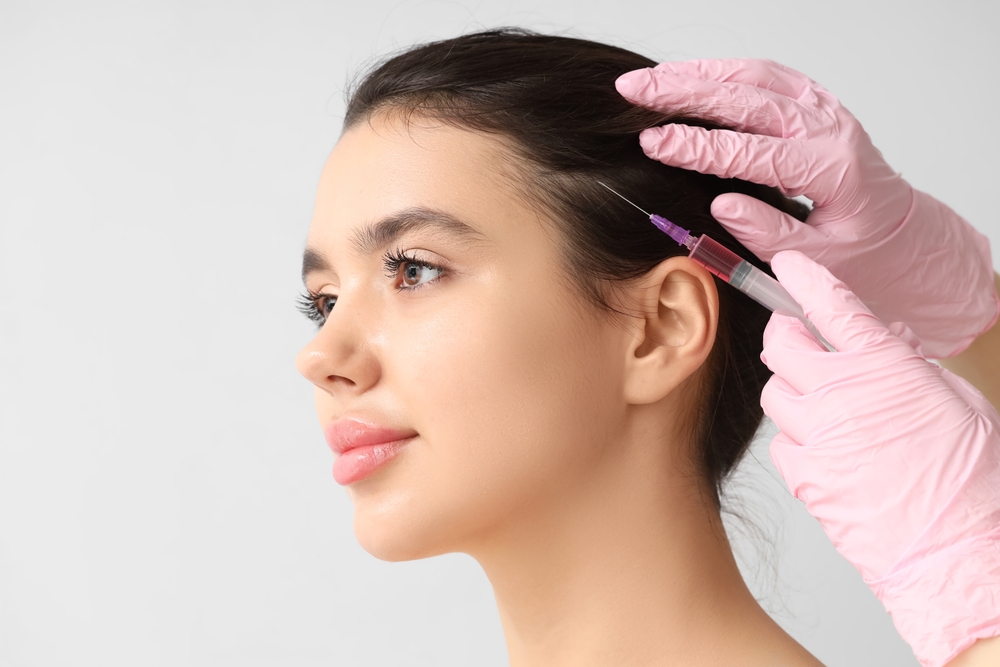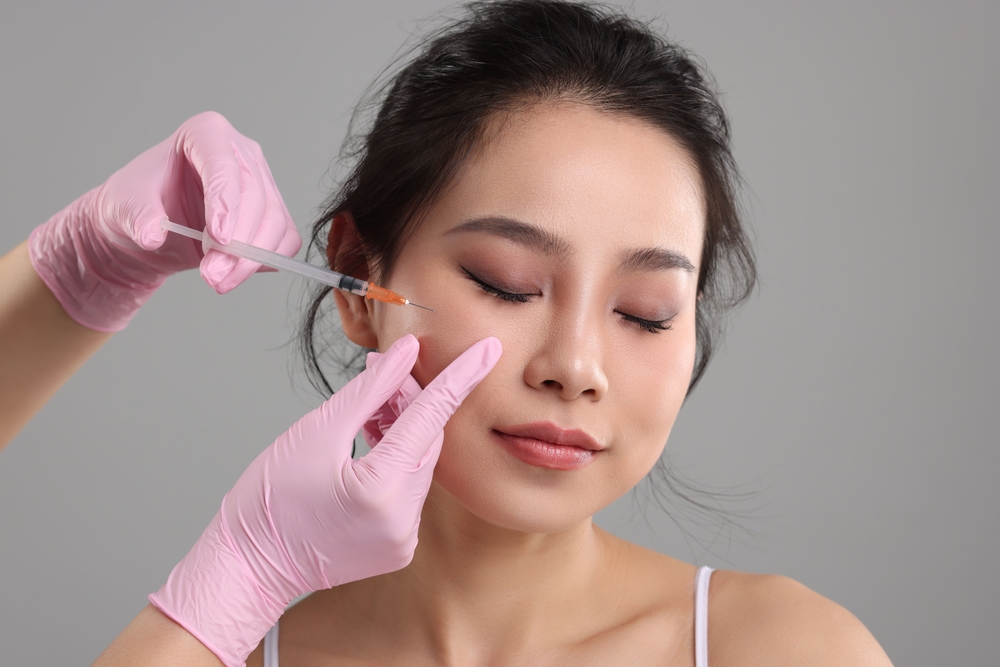
Dermal fillers rank among today’s most popular cosmetic treatments that address facial volume loss. However, overfilled cheeks are a top concern for many patients, as excessive face filler often creates asymmetrical or unnatural-looking results. This article will explore the details of overfilled looks and how you can prevent them when getting filler treatments.
What Is Subtle Enhancement and Why It Matters
The beauty world has seen amazing changes lately. People’s priorities have moved away from dramatic changes. They now want refined improvements that bring out their natural features without looking fake.
The Change from Dramatic to Natural-Looking Results
We’re now in what experts call “the era of subtlety.” People no longer believe that bigger means better, and they want improvements that refresh their looks without screaming that they had work done. Numbers tell the story clearly. The number of patients wanting major changes to their appearance dropped from 37% to 22% in just three years [1]. Most patients—about 58%—now want results that only they and their close circle can notice [1].
Many things caused this change, though social media was a major factor. Young people now get cosmetic work done early to prevent aging rather than fix it [2]. Even celebrities now prefer more natural body shapes instead of extreme curves [3].
Recognizing the Signs of Too Much Filler
A trained eye can spot the difference between facial fillers that boost appearance and those that go too far. Small enhancements preserve facial esthetics. Still, “Facial Overfilled Syndrome” (FOS) is an unfortunately common issue. Early detection prevents future complications and keeps results looking natural.
Overstuffed Cheeks and Midface
The midface usually gets the most filler volume, making it prone to overfilling. Too much product in the cheeks shows these warning signs:
- The “Pillow Face” Effect: Experts describe the most obvious sign of overfilled cheeks as “pillow face” or “chipmunk cheeks.” The cheeks look unusually full, bloated, rounded, puffy, or simply too large instead of showing defined contours. The effect is especially pronounced with a relaxed face [8].
- Misshapenness and Heaviness: Faces with too much filler look distorted and bulky or heavy [9]. This heaviness shows up mostly in the front of the cheeks. People might think you’ve gained weight even though nothing else has changed [2]. Also, extra filler weight pulls down the front cheek area and makes nasolabial folds deeper instead of reducing them [9].
- Changed Facial Proportions: Too much volume in the cheeks can make your face look wider than usual. Your eyes might appear smaller or sunken by comparison [9]. This distortion happens because overfilled cheeks stick out sideways and throw off the balance of facial features.
Facial Asymmetry and Unnatural Contours
Facial symmetry is the life-blood of esthetic beauty. In spite of that, overfilling often disrupts this balance in the following ways:
- Visible Distortion Between Facial Zones: Well-placed filler should combine smoothly with surrounding tissues. Overfilling creates bulging cheeks that look disconnected from nearby areas like tear troughs or nasolabial folds [3].
- Migration and Asymmetry: Poorly placed or excessive filler can move over time, creating obvious differences between face sides [2]. One cheek might look fuller, or one lip side might stand out more, giving you an uneven look.
- Irregular Surface Texture: Areas with too much filler can develop visible lumps, bumps, or bluish discoloration (known as the Tyndall effect) if the filler sits too close to the surface [3][10]. These irregularities show up during facial movements or under certain lights.
Loss of Facial Expression and Dynamic Movement
Natural facial esthetics depend on dynamic movement. Too much filler substantially affects these vital aspects:
- Restricted Facial Expressions: Cheeks with excessive filler make facial muscles work harder to contract [9]. This limitation makes smiles look stiff and affects how you express emotions naturally [3][2].
- Faulty Muscle Movements: Studies show that too much volume in deeper facial layers stops muscles from contracting properly [9]. Younger patients might only notice this while smiling, though they look normal at rest [9].
- Smaller Smiles: Research proves that overfilled cheeks directly affect the muscle that controls smiling as well. Specifically, it can’t contract freely, so the smile has a shortened range and looks less genuine [11].
Knowing how to spot these signs helps you make smart choices about esthetic treatments. Learning about overfilled cheeks ensures your results boost rather than distort your unique features.
Best Practices to Prevent the Overfilled Look
Natural facial esthetics need skillful technique and careful planning. You can address your concerns while maintaining your natural look with the right approach.
Match Filler Type to Facial Area and Skin Type
Different filler families each bring their own benefits. For example:
- Juvederm products like Voluma excel at cheek volume restoration because of their lifting ability [12].
- Restylane fillers work better for precise areas that need fine detail [13].
- Radiesse (calcium hydroxylapatite) provides more structural support where you need projection [12].
Start Low and Build Gradually
Consider starting your treatments with smaller amounts of filler. You can add more in later sessions if needed. This way, your face can adapt to subtle changes, reducing overfilling risks. It also gives you room to adjust your treatment plan based on how your tissues respond. This approach will give a more balanced outcome.
Avoiding Touch-Ups Too Soon After Treatment
Patience is key to preventing excessive face filler use. Dermal fillers need about 14 days to settle into their final position. Your swelling will go down during this time, which shows the actual results. Quick touch-ups before this settling period can disrupt the natural integration and lead to too much filler.
Set Realistic Expectations
Success in treatment comes from open talks with your provider. During your consultation with your Beauty Vault provider, talk about what you want and look at reference photos and learn what’s possible for your facial structure.
What to Do If You’ve Had Too Much Face Filler
Puffy, overfilled cheeks can be worrying, but you have options to fix them.
Consider Waiting First
Minor overfilling might get better if you wait two to four weeks, as swelling goes down naturally. However, you should act quickly if you notice major distortion, uneven areas, or problems with how your face moves.
Ask Your Provider About Dissolving Agents
Hyaluronidase works as the main dissolving agent to break down hyaluronic acid fillers. This enzyme reduces volume in areas with too much filler. Your provider can create a custom plan and inject small amounts of hyaluronidase right into the spots that need fixing.
Strategize for the Long Term
Take things slow. Small amounts of filler and/or dissolver over several sessions may create subtle improvements. Regular check-ups with your provider help track your progress and fine-tune your treatment plan. You might want to look into other options like skin tightening or collagen stimulation that can make you look younger without adding too much volume.
Fix or Prevent an Overfilled Look at the Beauty Vault in Los Angeles
The world of esthetics has moved toward natural-looking results instead of obvious changes. To put it another way, your facial features deserve preservation, not transformation; they tell a story that shouldn’t be erased. Getting subtle improvements while avoiding the “overfilled” look takes expertise and the right technique. That’s why you should come to the Beauty Vault in West Hollywood, where our team will assess your needs and give you personalized dermal filler treatment. To schedule an appointment, call us today at (323) 800-6770 or fill out a contact form.
FAQs
Q1. What are the signs of overfilled cheeks? Signs of overfilled cheeks include a “pillow face” effect with unnaturally full or puffy cheeks, facial asymmetry, restricted facial expressions, and visible distortion between facial zones. You may also notice an unnatural heaviness in the cheek area and changed facial proportions.
Q2. Is it possible to reverse overfilled cheeks? Yes, it’s possible to reverse overfilled cheeks, especially if hyaluronic acid fillers were used. A dissolving agent called hyaluronidase can be injected to break down excess filler. In some cases, waiting for two to four weeks may allow minor overfilling to subside naturally.
Q3. How long should you wait between filler treatments? It’s generally recommended to wait at least two weeks after a filler treatment before considering any touch-ups. This allows time for the product to settle and any swelling to subside, providing a clearer picture of the true results and helping prevent overcorrection.
Q4. How can I achieve natural-looking results with dermal fillers? To achieve natural-looking results, opt for a subtle enhancement approach. Start with smaller amounts of filler and build gradually. Choose the right filler type for your specific facial area and skin type. Work with a qualified provider who understands facial anatomy and uses techniques like strategic micro-dosing for a more natural look.
References
[1] – https://pmc.ncbi.nlm.nih.gov/articles/PMC9503994/
[2] – https://relivehealth.com/medical-esthetics/too-much-filler-how-to-know-and-what-to-do/
[3] – https://www.hubmeded.com/blog/too-much-cheek-filler-signs-risks-and-reversal-options
[4] – https://pmc.ncbi.nlm.nih.gov/articles/PMC7398800/
[6] – https://pmc.ncbi.nlm.nih.gov/articles/PMC11892339/
[7] – https://www.skinjectables.com/blog/subtle-enhancements-botox-fillers/
[9] – https://onlinelibrary.wiley.com/doi/10.1111/jocd.16244
[10] – https://carolinafacialplasticsurgery.com/do-fillers-really-ruin-your-face/
[11] – https://aestheticmedicalpractitioner.com.au/features/cosmetic-practice/facial-overfilled-syndrome/
[13] – https://myvivaskin.com/our-comprehensive-guide-to-choosing-the-perfect-face-filler-for-you/
[14] – https://nextstepsinderm.com/derm-topics/cannula-vs-needle-for-dermal-fillers/
[15] – https://pubmed.ncbi.nlm.nih.gov/37977686/
[16] – https://nataonline.co.uk/wp-content/uploads/2024/01/4.6-Dermal-Fillers-Rheology.pdf