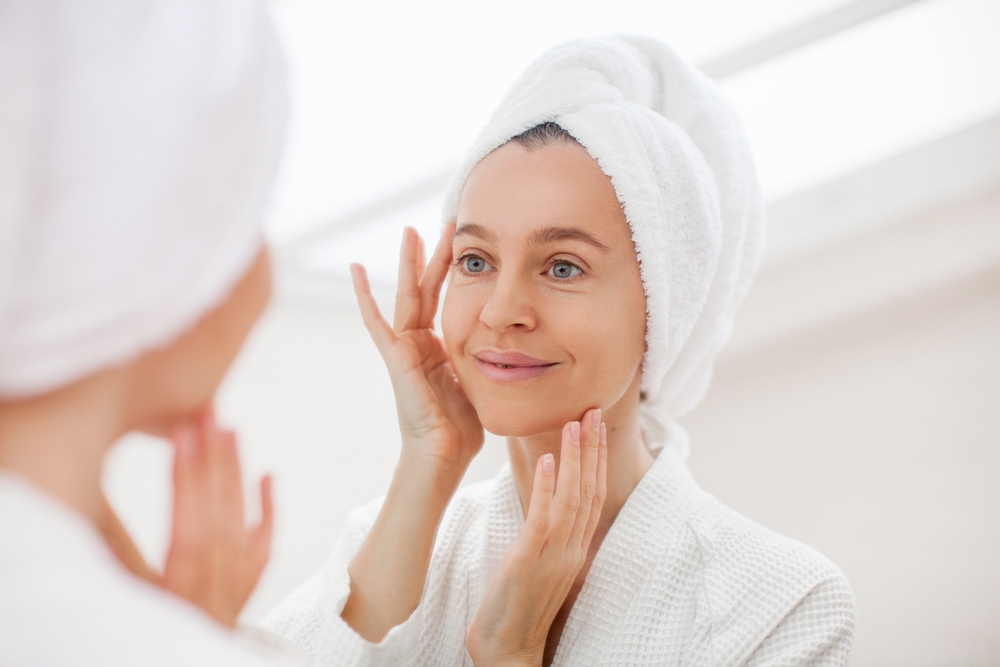
Want to know how long you can enjoy your Botox results and whether you can prolong them? You’re not alone. The good news is that Botox treatments have grown dramatically popular among adults, so there’s plenty of research and evidence to answer your questions. This article will help you find what affects Botox longevity and practical tips to keep those smoother results as long as possible.
How Long Should Botox Last Based on Treatment Area
Botox effects last for different lengths of time based on the injection site. Each facial muscle reacts differently to treatment, which creates unique timelines for results.
Upper Face: Glabella, Forehead, Crow’s Feet
The upper face shows the most reliable and longest-lasting Botox results. Results for glabellar lines (the “elevens” between your eyebrows) usually last three to four months [6]. Once relaxed, the powerful glabella muscles tend to stay predictable.
Results in the forehead area last just as long, with visible smoothing that stays for three to four months [5]. These muscles don’t get used as much as others, so they break down Botox more slowly. Male patients might see even better results in the glabellar area, and studies show their results can last four to six months [7].
The crow’s feet around your eyes tell a different story. These areas keep their results for about 2.5 to 3.5 months [5], even with proper treatment. Results don’t last as long here because you blink and smile often, which makes these high-movement areas metabolize the product faster [8].
Lower Face and Neck: Shorter Duration
Your lower face won’t retain Botox results as long as your upper face. The mouth and chin areas keep their results for only two to three months [9]. These areas move constantly when you talk, eat, and show emotions, which speeds up how quickly Botox breaks down.
Neck band treatments last about three to four months [5]. The masseter muscle treatment for jawline slimming or teeth grinding is different. After getting the right dose, masseter Botox can last three to six months or even longer with regular treatments [5].
Small “micro” areas like lip lines or chin dimpling need fewer units, so their effects might fade sooner—usually around two to three months [5].
Variation by Individual Muscle Strength
Muscle characteristics play a big role in how long your Botox lasts. Strong muscles break down Botox faster than weak ones, whatever area you treat [2]. This explains why active people or those with expressive faces might see their results fade sooner.
Your facial structure also affects how long results last. This includes muscle thickness, fiber orientation, and the number of neuromuscular junctions [5]. Stronger facial muscles need more units because Botox works by relaxing muscles [2].
Regular treatments might help. Studies show that after three to five treatment cycles, patients often notice their results staying longer [9]. This happens because repeated injections can cause mild muscle shrinkage in treated areas [9]. In fact, doctors remark that patients who get regular treatments for one to two years might see their Botox last up to six months [9].
Note that everyone responds differently. Your experience with Botox might be different from these averages based on your body and lifestyle.
Why Botox Wears Off and How to Slow It Down
Your body knows how to repair and regenerate neural connections, which explains why Botox doesn’t last forever. Learning about the biological mechanisms behind Botox wearing off can help you make your results last longer.
Natural Nerve Regeneration and Muscle Reactivation
Botox blocks nerve signals to targeted muscles, which stops them from contracting. Your body naturally dissolves this blockade through a two-stage recovery process. It first develops new nerve endings through a process called “terminal sprouting.” The original nerve connections then recover their function, and these new sprouts retract [10]. Your nervous system basically finds new ways to communicate with muscles that were temporarily paralyzed.
This regeneration happens in a predictable way. Terminal sprouting begins within days after muscle paralysis starts. These new connections gradually restore muscle movement over several weeks [11].
How Metabolism and Physical Activity Affect Results
Your metabolic rate strongly affects how quickly Botox breaks down. People with faster metabolisms usually see their results fade sooner [3]. Scientists think your body processes Botox just like other medications, using enzymes your liver releases [1].
Physical activity, especially high-intensity exercise, can substantially speed up Botox breakdown. A clinical study revealed that people who exercised less managed to keep reduced muscle electrical activity throughout the study. Those who exercised more showed muscle recovery by the second month [11].
Exercise affects Botox longevity in several ways:
- More blood circulation during exercise can dilute Botox from the treatment area [12].
- Intense physical activity might increase insulin-like growth factor levels [11].
- Physically active people have higher metabolic rates [13].
That’s why most doctors suggest avoiding intense exercise for at least 24 to 48 hours after treatment [3] [14].
How Repeated Facial Expressions Matter
The way you use your facial muscles after treatment can affect how long Botox lasts. Strong or frequent facial expressions in treated areas can make Botox break down faster [14]. This explains why Botox lasts longer in areas you move less often.
Regular treatments can help some patients “unlearn” their habitual facial expressions, which might make results last longer [15]. After several treatments, facial muscles can become slightly weaker from reduced use, naturally extending the effects of future treatments.
To make your Botox last longer, be mindful of excessive facial movements in treated areas, especially right after injections. Note that certain expressions, like frowning or raising eyebrows repeatedly, might work against what you’re trying to achieve [14].
Tips to Make Botox Last Longer
You want your Botox results to last as long as possible after getting injections. A few smart strategies can help your treatment last beyond the usual three to four months.
Follow aftercare: No Lying Down or Massaging
The right aftercare following your appointment will maximize your results. You should not lie down for at least three to four hours after treatment [16]. This stops the liquid Botox from moving to unwanted areas. You should also avoid touching, massaging, or rubbing the treated spots for at least 12 to 24 hours [16][17]. Even light pressure could make the Botox drift from where it needs to be.
Here are more aftercare tips you should follow:
- Wait 24 to 48 hours before exercise and heavy activities [4][18].
- Don’t drink alcohol on the first day [4].
- Skip facials, massages, or other skin treatments for at least 48 hours [19].
- Keep your head up for the first four to six hours so the Botox stays in place [19].
Use Gentle Skincare and Avoid Harsh Exfoliants
Your skincare routine affects how long your Botox results last. Harsh products can damage your skin barrier and accelerate aging, which works against your Botox results [20]. A gentle cleanser and moisturizer, used twice daily, works best [20]. You should also skip rough facial cleansers, masks, scrubs, and chemical exfoliants, especially right after your treatment [18][20].
Medical-grade skincare with antioxidants, peptides, and retinoids might help your results last longer between treatments [4]. However, make sure to check with your Beauty Vault provider before using any active ingredients after Botox.
Incorporate Antioxidant-Rich Diet and Hydration
What goes into your body shows up on your skin. Foods rich in antioxidants—like berries, nuts, and leafy greens—support skin health and might help your Botox last longer [21][22]. Omega-3 fatty acids from salmon and flaxseeds also help keep your skin healthy [21].
Good hydration makes a big difference. Water keeps your skin elastic and helps with body processes that affect your Botox results [23][18]. Dehydration slows down your metabolism and might make your treatment less effective [21].
Schedule Touch-Ups Before Full Dissipation
Smart timing of your touch-ups gives more consistent results. Your Beauty Vault practitioner might suggest booking your next treatment before the current one wears off completely [24]. This method can train your muscles to contract less over time, which could make results last longer [24].
Wait at least two weeks after your first treatment before thinking about touch-ups [25]. This gives enough time for your results to develop fully, so you’ll know if you need more treatment [26]. Also, note that regular visits every three to four months work better than random treatments [27].
Get Long-Lasting Botox Results at the Beauty Vault in Los Angeles
Botox is a temporary fix to reduce wrinkles and fine lines. Even so, you can benefit from its effects for longer than you might expect if you follow the right steps and receive your treatments from a competent medical team. Come to the Beauty Vault in West Hollywood for personalized treatment plans and guidance so that you can make the most of your Botox. To get started, call us today at (323) 800-6770 or fill out a contact form.
FAQs
Q1. How can you extend the duration of your Botox results? To help Botox last longer, follow proper aftercare instructions, avoid lying down or massaging the treated area for several hours post-treatment, use gentle skincare products, maintain a healthy diet rich in antioxidants, stay well-hydrated, and consider scheduling touch-up appointments before the effects fully wear off.
Q2. Is it safe to exercise after getting Botox injections? I’ ‘s generally recommended to avoid strenuous exercise for 24 to 48 hours after Botox treatment. Physical activity can increase blood circulation, potentially causing the Botox to spread to unintended areas or metabolize more quickly, which may reduce the longevity of your results.
Q3. How long does Botox typically last in different facial areas? Botox duration varies depending on the treatment area. Upper face treatments (forehead, glabella, crow’s feet) usually last three to four months. Lower face and neck treatments may have shorter durations, typically two to three months. Individual factors like muscle strength and metabolism also influence longevity.
Q4. Are there any long-term effects of using Botox regularly? With regular Botox treatments, some patients may experience longer-lasting results over time. This is partly due to mild muscle atrophy in treated areas and “unlearning” of habitual facial expressions.
References
[1] – https://www.medicalnewstoday.com/articles/drugs-does-botox-wear-off
[2] – https://labeautyskincenter.com/how-long-does-botox-last-learn-all-about-botox-longevity/
[3] – https://www.myfacialplasticsurgeon.com/is-your-botox-or-dysport-wearing-off-too-quickly
[4] – https://www.cincinnatithrive.com/blog/botox-touch-up-guide
[5] – https://tatoyanmdmedspa.com/blog/how-long-does-botox-last/
[6] – https://miramedanddayspa.com/botox-doses-per-area-and-how-long-botox-lasts/
[7] – https://pubmed.ncbi.nlm.nih.gov/20369902/
[8] – https://www.drangelasturm.com/blog/does-botox-work-on-crows-feet/
[9] – https://pmc.ncbi.nlm.nih.gov/articles/PMC11427080/
[10] – https://pubmed.ncbi.nlm.nih.gov/16602109/
[11] – https://pmc.ncbi.nlm.nih.gov/articles/PMC10467136/
[12] – https://www.self.com/story/exercise-after-botox
[13] – https://www.natural-lookingresults.com/blog/factors-that-affect-how-long-your-tox-lasts/
[14] – https://aesthetichouse.com/lifestyle-factors-affecting-botox-results-on-forehead-lines/
[15] – https://www.cpsdocs.com/blog/can-botox-provide-long-lasting-improvement/
[16] – https://health.clevelandclinic.org/botox-aftercare
[17] – https://www.drlentz.com/blog/botox-aftercare-tips-dos-donts/
[19] – https://rezahealth.com/blog/botox-aftercare/
[20] – https://bhskin.com/blog/how-to-make-botox-last-longer/
[21] – https://www.esteticaa.co.uk/post/how-lifestyle-choices-impact-botox-longevity-diet-exercise-and-more
[22] – https://www.janahealthcare.com/blog/how-factors-like-lifestyle-affect-botoxs-staying-power
[23] – https://gbrplasticsurgery.com/tips-for-preserving-botox-results/
[24] – https://www.sandiegoskin.com/blog/how-to-make-botox-last-longer-san-diego/
[25] – https://www.bloomspa.com/esthetic-guides/botox-and-filler-touch-ups/
[27] – https://aethosnyc.com/how-often-to-schedule-botox-touch-ups/
[28] – https://www.ncbi.nlm.nih.gov/books/NBK557387/
[29] – https://www.suncoastskin.com/your-botox-consultation/
[30] – https://pmc.ncbi.nlm.nih.gov/articles/PMC7874868/
[31] – https://my.clevelandclinic.org/health/treatments/8312-botulinum-toxin-injections