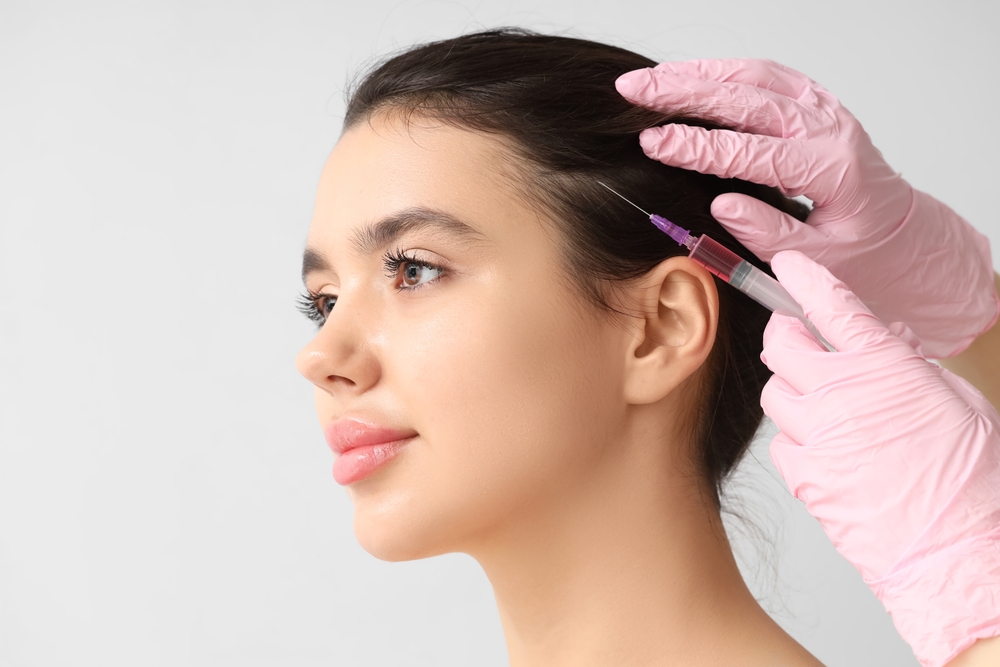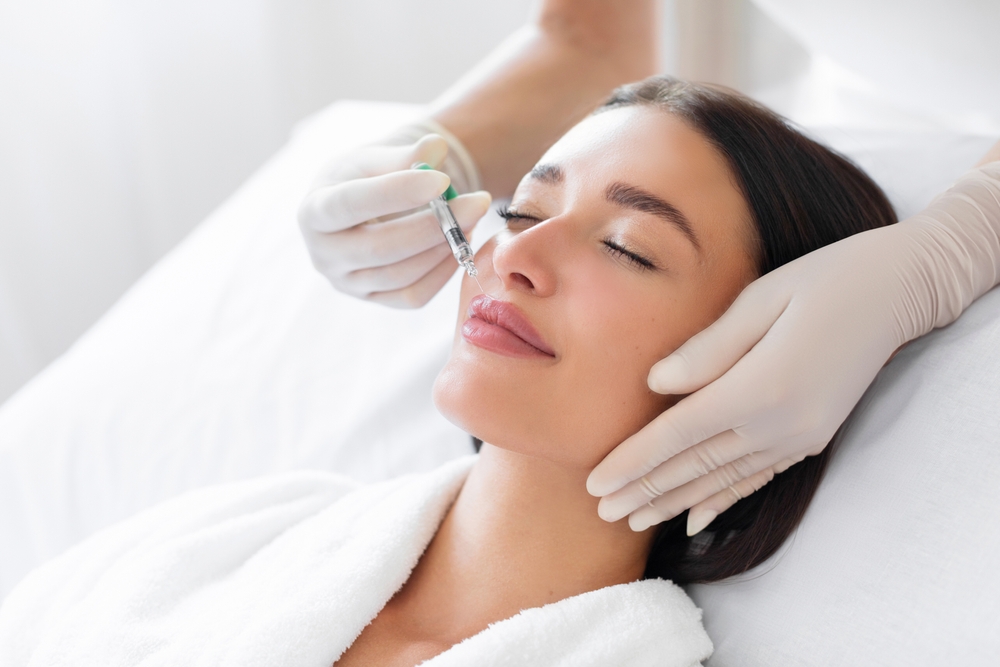
Your face changes naturally with age. Fat loses volume, skin becomes looser, and once-round features may start to sink. Dermal fillers provide a temporary fix for these aging signs and help smooth lines while replenishing lost volume, but the effects will eventually fade. Knowing how your face might change after stopping your filler treatments could help you make better decisions about your overall skincare experience.
Visible Signs When Fillers Wear Off
Your face will show several visible changes as dermal fillers start to dissolve. These changes appear gradually as your face returns to its natural state.
Loss of Cheek Volume and Facial Contour
You’ll notice significant changes in your cheeks as fillers wear off. The areas that were previously plump will start to flatten. This happens because practitioners layer cheek fillers both deep along the bone and within superficial fat pads to maximize lift [3].
Your mid-face region loses its structural support as the product breaks down. This leads to subtler contours than what you had with fillers. The treated features will shrink and flatten with time [4]. The transition might feel dramatic if you have had cheek fillers over the last several years, as your face has adapted to the enhanced look [5].
Cheeks usually hold onto filler longer than other facial areas, with results typically lasting 9 to 12 months [3]. Notwithstanding that, the natural process of age-related volume loss becomes visible again once these effects fade.
Reappearance of Nasolabial Folds and Marionette Lines
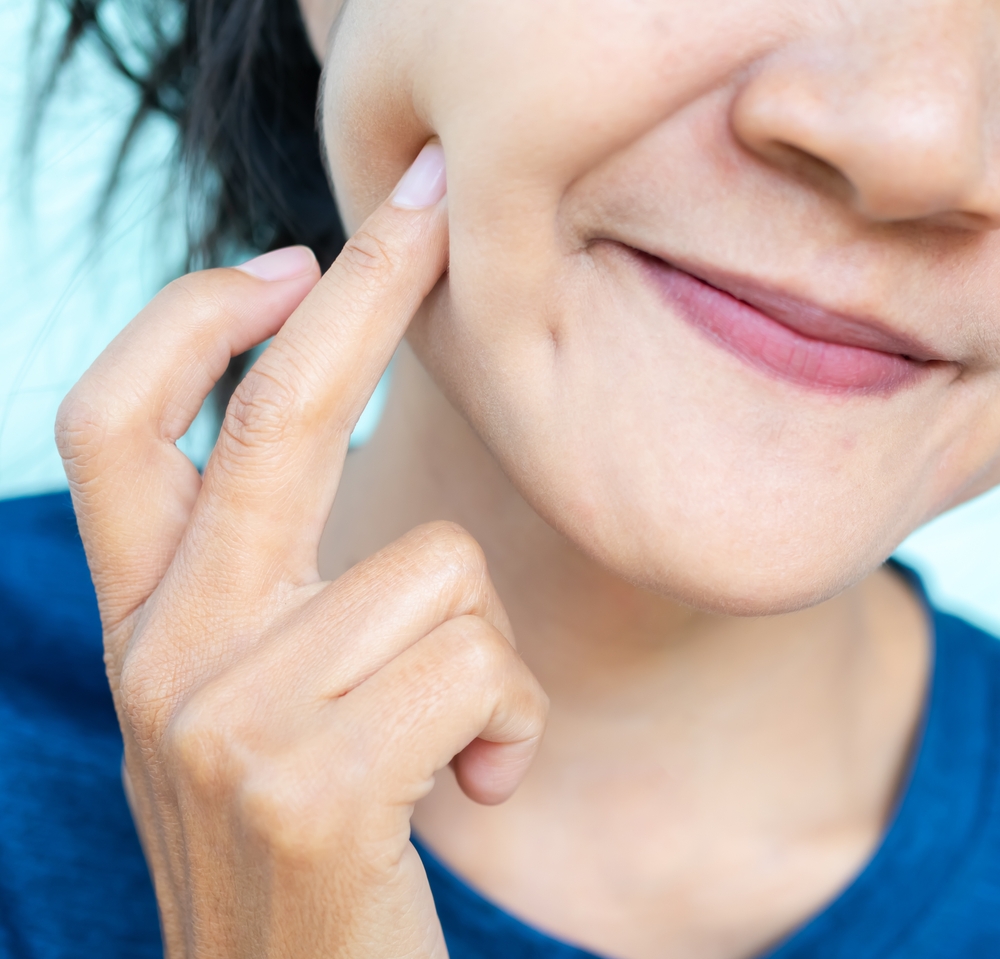
The re-emergence of nasolabial folds (lines from nose to mouth) and marionette lines (lines from mouth corners to chin) signals filler dissolution. These creases and folds come back slowly, sometimes with shadows that create more defined facial demarcations [4].
Age, volume loss, gravity, and repetitive facial movement make marionette lines deeper, so they may become even more noticeable once fillers wear off [3]. Your mouth corners might turn downward again, and your lower face balance could change. This might make you look more tired or stern than you did with active filler [3].
This area moves constantly while speaking and expressing emotions, so fillers here break down faster than in the cheeks. However, well-placed filler can still improve appearance for up to a year before you start noticing a difference in your look [3].
Thinning Lips and Under-eye Hollows
Lip fillers dissolve faster because your lips move constantly while eating, drinking, and speaking. Your lips usually return to their natural size and shape within 6 to 10 months after treatment [3].
The under-eye area shows unique changes as fillers wear off. This delicate region develops hollows due to several factors:
- Natural age-related loss of collagen and elastin.
- Reduction and downward shifting of fat pads beneath the skin.
- Genetic predispositions to deeper eye sockets or thinner under-eye skin [6].
Dark circles and tired appearance return as under-eye fillers dissolve. The transition between your lower eyelid and cheek becomes less smooth. This highlights any bags or hollows [3]. The tear trough moves less than other facial areas, so results usually last close to a year before these changes show up [3].
Also, your skin might feel less hydrated during filler dissolution, especially with hyaluronic acid-based products that give both volume and moisture [5]. Treated areas may feel less plump as these benefits slowly fade.
Factors That Influence How Your Face Changes
Your facial changes after stopping fillers depend on multiple factors that work together. Results can vary between individuals based on their unique characteristics and specific treatments.
Filler Type and Longevity
The materials in your filler affect how your face changes when the treatments stop. Different substances break down at their own pace:
- Hyaluronic acid (HA) fillers last 6 to 18 months based on their formula [7]. Products like Juvéderm and Restylane use cross-linking technology that helps them resist breakdown; stronger cross-linking means longer-lasting results [8].
- Calcium hydroxylapatite (CaHA) fillers, like Radiesse, typically last 12 to 18 months [8]. These products provide immediate structure and boost collagen production, which can benefit your skin even as the filler dissolves.
- Poly-L-lactic acid (PLLA) fillers such as Sculptra act as biostimulators that boost collagen production. Results might last up to two years or more after your final treatment [8][5].
Treatment location affects how long fillers last. Areas with more movement, like lips, see faster breakdown compared to less active areas like cheeks [9].
Metabolism and Lifestyle Habits
Your metabolic rate affects how fast fillers disappear. People with higher metabolism see shorter-lasting results [7][4]. For instance, active individuals who exercise often metabolize fillers faster than those with slower metabolisms [5].
Lifestyle choices can also extend or reduce your filler’s lifespan. Examples include:
- UV rays from sun exposure speed up the breakdown [5].
- Smoking restricts blood vessels and might speed up filler degradation [5].
- High stress levels release cortisol that can speed up skin aging and change filler integration [4].
- Quality sleep helps skin cell regeneration, which maintains filler appearance [4].
- Eating processed foods and sugar can reduce effectiveness, while fresh produce, lean proteins, and whole grains support skin health [7].
Age and Skin Condition at Time of Stopping
Natural collagen production drops substantially with age, which changes how your face responds when fillers wear off [4]. This decrease affects the supporting structure under fillers and influences their settling and duration.
Younger people with good collagen levels often see better filler integration and smoother transitions when stopping [4]. Older skin with less elasticity might show more visible changes as fillers dissolve.
Skin thickness, hydration, and flexibility determine how fillers integrate and how your face changes after stopping treatments [8]. Healthy, hydrated skin maintains a better appearance during transition.
Some fillers—especially those that boost collagen production—might leave your skin looking better than before treatment [10][3]. This collagen-stimulating effect could improve skin quality even after volume effects fade.
Your sleep patterns, hydration levels, and nutrition when stopping treatments affect how smoothly your face returns to its natural state [10].
Is There a “Rebound Effect” After Stopping Fillers? Myth Versus Reality
People often worry about a “rebound effect” when they think about stopping dermal fillers. In other words, they fear their face might look worse than before treatment. That’s because there’s a common myth suggesting that stopping fillers leads to faster sagging or facial collapse, but the science doesn’t support this fear.
Luckily, scientific evidence tells a different story about what happens when fillers dissolve. Your face simply returns to how it looked before treatment and ages at its normal pace [11].
The contrast effect explains why some people think their face looks “worse” after fillers dissolve. Getting used to a fuller face makes the return to your natural look feel more dramatic than it really is [12]. Your skin hasn’t gotten worse. It’s just back to its previous state.
Alternatives to Maintain Results Without Fillers
Your skin’s appearance can be maintained through several non-invasive approaches after stopping fillers. These alternatives support your skin’s natural structure in different ways.
Topical Treatments and Retinoids
Retinoids stand out as the most studied ingredients that combat aging skin. These vitamin A derivatives boost collagen production and speed up cell turnover. In fact, both prescription and over-the-counter strengths can reduce fine lines, make skin smoother, and give it a brighter appearance [14].
You might see improvements in four to six months if you use retinoids regularly [13]. However, the best results come from adding retinoids slowly to your skincare routine. This approach helps avoid side effects like dryness and irritation [13].
Microneedling and Laser Therapy
Microneedling uses fine needles to create tiny controlled injuries that trigger your skin’s natural healing. This gentle procedure boosts collagen and elastin production, which can improve scars, wrinkles, and skin texture [15]. Most patients need several treatments, with three to eight weeks between sessions. Results typically show up after three to six months [15]. The addition of radiofrequency to microneedling can improve collagen rebuilding in deeper skin layers [16].
Work with the Beauty Vault to Stop Your Dermal Filler Treatments
Your experience with facial fillers should include understanding what happens when the treatment ends, so you can properly manage your expectations and aftercare. Also, remember that there are still several options to maintain your skin quality if you stop using fillers. The Beauty Vault team in West Hollywood can provide customized guidance and assistance, so call us (323) 800-6770 or fill out a contact form to schedule a consultation.
FAQs
Q1. How long do the effects of dermal fillers typically last? The longevity of dermal fillers varies depending on the type of filler used and the treatment area. Hyaluronic acid fillers generally last 6 to 18 months, while calcium hydroxylapatite fillers can last 12 to 18 months. Poly-L-lactic acid fillers may provide results for up to two years or longer, and polymethylmethacrylate fillers can maintain effects for five years or more.
Q2. What visible changes can be expected when fillers wear off? As fillers dissolve, you may notice a gradual loss of volume and facial contour, particularly in the cheek area. Nasolabial folds and marionette lines may reappear, and the lips may appear thinner. Additionally, under-eye hollows and dark circles may become more noticeable as the filler effects diminish.
Q3. Does stopping fillers cause accelerated facial sagging or a “rebound effect“? No, there is no scientific evidence to support the myth of a “rebound effect” or accelerated sagging after stopping fillers. Your face simply returns to its pre-treatment appearance and continues to age at its natural pace. The contrast between your enhanced and natural features may feel more dramatic, but it does not indicate additional deterioration.
Q4. How do personal factors influence the way your face changes after stopping fillers? Several factors can affect how your face transitions after discontinuing fillers, including your metabolism, lifestyle habits (such as sun exposure and smoking), age, and skin condition at the time of stopping. A faster metabolism and certain lifestyle factors may cause fillers to break down more rapidly, while older age and thinner skin may make changes more noticeable.
References
[1] – https://pmc.ncbi.nlm.nih.gov/articles/PMC8405095/
[2] – https://pmc.ncbi.nlm.nih.gov/articles/PMC10541169/
[3] – https://visodentnyc.com/blog/what-happens-when-you-stop-using-dermal-fillers/
[4] – https://phoenixliposuction.com/blog/what-lifestyle-choices-affect-the-longevity-of-dermal-fillers/
[5] – https://www.trueblissmedical.com/dermal-fillers-longevity
[7] – https://www.daughertyplasticsurgery.com/can-i-make-my-filler-last-longer/
[8] – https://www.madisonps.com/blog/the-science-behind-dermal-fillers-and-longevity
[10] – https://arbrea-labs.com/what-happens-when-you-stop-getting-fillers/
[11] – https://philosophyofbeauty.ca/what-happens-if-you-stop-getting-fillers/
[12] – https://www.westchestercosmeticdermatology.com/blog/what-happens-when-you-stop-getting-fillers/
[13] – https://www.healthline.com/health/beauty-skin-care/retinoids-for-wrinkles
[14] – https://www.derm90210.com/resources/topical-retinoids-and-anti-aging
[15] – https://my.clevelandclinic.org/health/treatments/23113-microneedling
[16] – https://clderm.com/turn-back-time-10-powerful-collagen-boosting-treatments-that-work/
[17] – https://www.bannerhealth.com/healthcareblog/better-me/facial-exercises-for-younger-looking-skin