Tired eyelids can make you appear exhausted even when you’re well-rested. Your body’s thinnest skin is around your eyes[34], and this makes the area vulnerable to signs of aging. The muscles supporting your upper eyelids may lose strength over time and cause them to sag[35]. You have options for how to make eyes look less tired. Botox injections and brow lift surgery are two approaches to address heavy eyelids.
Understanding Tired Eyelids and What Causes Them
Aging and Skin Elasticity Loss
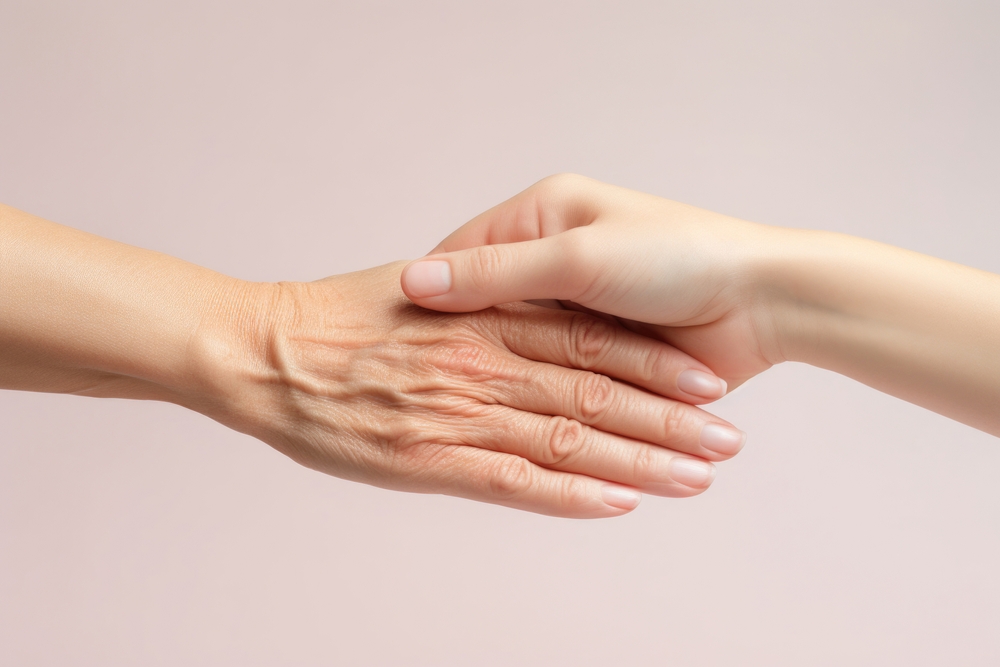
The delicate tissue surrounding your eyes ages differently from the rest of your face. Collagen and elastin are the foundations that keep your skin firm and resilient. These proteins begin to decrease around the beginning of your 30s[37]. The skin loses its ability to bounce back after muscles contract without adequate collagen support. This leads to wrinkles and sagging[38]. The loss of elasticity becomes noticeable around your eyelids, where the skin can develop a crepey texture and start to droop over your lashes.
Your genetics may determine how early you notice these changes. Some people develop hooded eyelids in their 30s or 40s. Others might not experience noticeable sagging until much later[39]. You’re more prone to develop these characteristics if your parents or grandparents have heavy eyelids and sagging skin[40].
Muscle Weakness in the Eyelid Area
Your eyelid muscles work harder than you might realize. The levator muscles that keep your upper eyelids open undergo 10,000 blinks each day[36]. These muscles are prone to fatigue during your waking hours[6].
The tendon-like tissue that helps lift your eyelids can stretch and weaken as you age[38]. This condition, called aponeurotic ptosis, represents the most common form of droopy eyelids caused by aging[38]. The upper eyelid border falls to a lower position than normal because gravity and muscle weakening combine over time.
Muscle fatigue in this area feels like tiredness in any other muscle group. These muscles gradually grow heavy with extended use over the course of your day[6]. Eye strain from focusing on computer monitors for long periods can compound this sensation. Excess skin or fat pads underneath your eyes may make you more prone to heaviness[6].
Heavy Eyelids When You’re Not Tired: Medical Conditions
Heavy eyelids when you don’t feel tired sometimes signal an underlying health concern that requires medical evaluation. Ptosis occurs at the time the muscle responsible for lifting your eyelid becomes weak or detached. This affects one or both eyes[7]. Dermatochalasis involves excess skin on the eyelids caused by decreased elasticity and collagen with age. The skin can hang over your eyelashes and block vision[7].
Lifestyle Factors Contributing to Tired-Looking Eyes
Your daily habits influence how to make eyes look less tired. UV exposure accelerates aging if you spend time outdoors without adequate protection[40]. Sun damage breaks down collagen and elastin faster than normal aging would.
Smoking introduces toxic chemicals that affect your production of these proteins[40]. Non-smokers maintain better skin elasticity, while smokers often age much more quickly.
Sleep deprivation builds up what researchers call “sleep pressure” and makes your levator muscles sag[3]. Getting insufficient sleep causes your eyelids to droop and gives you a perpetually exhausted appearance.
How Does Botox Work for Tired Eyelids?
What Botox Does to Your Eyelid Muscles
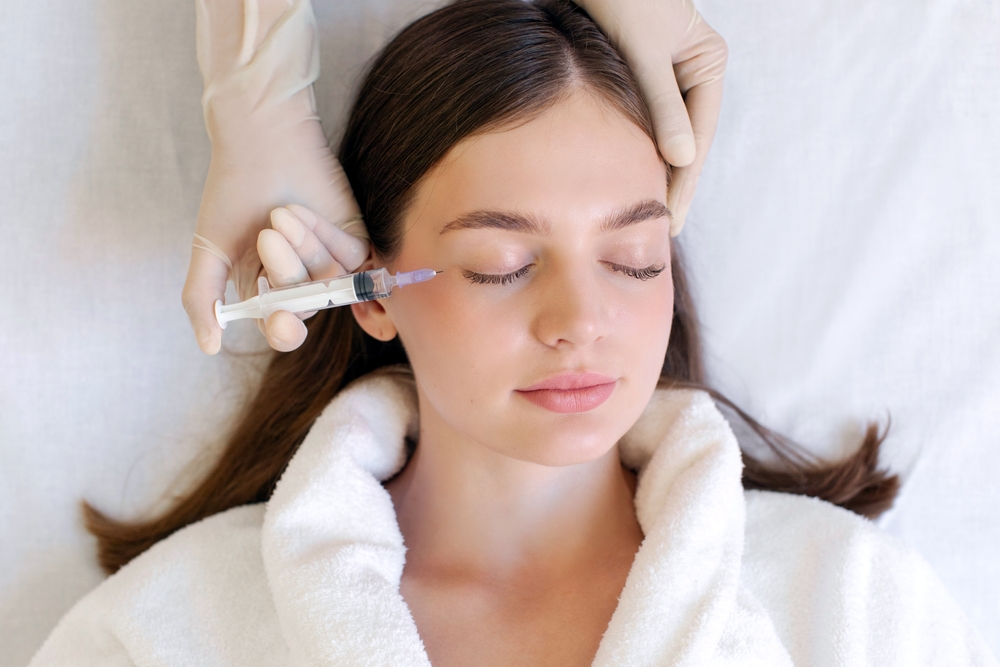
Botox contains a purified neuromodulator that blocks communication between nerves and muscles[8]. The injection prevents acetylcholine release, a chemical messenger that tells muscles to contract[10]. The targeted muscles relax and stop creating the repetitive movements that form wrinkles. Botox may lift the brow for hooded eyelids and aging concerns by relaxing the muscles that pull it downward[43].
The relaxation happens over time rather than right away. Botox binds to nerve receptors over about one week and paralyzes the muscle for three to four months[10]. The skin above the relaxed muscle creases less during this period, which smooths existing lines and prevents new ones from forming[8].
Treatment Areas for Tired Eyes
Botox can treat frown lines, forehead lines, and crow’s feet[11]. Strategic placement between the brows relaxes those muscles and allows the brows to lift and open the eyes wider[11]. Injections at the outer edge of the eyebrow can raise a low or heavy brow into a higher position[43]. Under-eye treatments use conservative doses to soften fine lines in carefully selected patients[8].
How Long Do Botox Results Last?
You should notice subtle smoothing within three to seven days after injections[8]. Your best results appear at 10 to 14 days when Botox reaches its full effect[12]. These improvements last around three to four months before muscle activity returns[12][8].
First-time patients often experience results that wear off more quickly compared to their second treatment[44]. Those who receive regular treatments notice their results last longer over time[44].
Brow Lift Surgery: Procedure and Results
What Happens During a Brow Lift?
A brow lift requires anesthesia so you won’t feel pain during the procedure[14]. The surgery takes between one to three hours, depending on the technique used[15]. Your surgeon removes excess skin, adjusts muscles, and repositions tissue to create a more youthful appearance[14]. The surgeon then closes the incisions with removable or absorbable sutures, skin adhesives, or special clips[14].
Upper vs. Lower Eyelid Procedures
Upper blepharoplasty removes excess skin from your upper eyelids and can restore a more open appearance[5]. The surgeon makes cuts in the natural crease of your upper eyelid, removes excess skin and protruding fat, then closes the incisions[13]. A surgeon can complete an upper blepharoplasty in about 45 minutes to one hour[13].
Lower blepharoplasty addresses puffiness and under-eye bags beneath your eyes. The surgeon makes an incision just below your lower eyelash line to remove excess skin or uses an incision hidden inside your lower eyelid to redistribute or remove excess fat[13]. Lower eyelid surgery takes up to 90 minutes and is slightly more complex than standalone upper procedures[18].
Recovery Period and Healing Time
Swelling and bruising peak within the first 10 days after surgery[14][15]. Most people return to work or school within 10 to 14 days[15]. Sutures are removed within seven to 10 days following surgery[19]. Your forehead may take up to six months to heal completely[15].
A brow lift may provide permanent results, though outcomes vary. The average time a brow lift maintains its effects is five to 10 years[20].
Botox vs. Brow Lift: Choosing the Right Treatment for Your Tired Eyes
Who Is a Good Candidate for Each Treatment?
You might think about Botox if you have mild brow heaviness, want subtle elevation, prefer minimal downtime, or aren’t ready for surgery[30]. It works well for early hooded eyelids aging concerns.
Surgery may suit you better if you have moderate to severe drooping, want results lasting years, or find that tired eyelids affect your vision[30].
Combining Botox with Other Treatments
Botox may work well with fillers to add volume under your eyes and with lasers to improve texture and tone[8]. Combining treatments often gives more complete rejuvenation[8]. Microneedling paired with Botox can improve skin texture and firmness[33].
A practitioner at Beauty Vault in West Hollywood can assess your individual situation and help you determine which treatment might work best for your goals. Call us today at (323) 800-6770 or fill out our contact form to schedule a consultation.
FAQs
Q1. How do I decide between Botox and a brow lift for my tired-looking eyes?
The choice depends on the severity of your concerns and your lifestyle preferences. Botox works well for mild to moderate brow heaviness, especially if you’re between 30-50 years old and prefer minimal downtime with no recovery period. A brow lift is better suited for significant tissue descent, when tired eyelids affect your vision, or if you want results that last five to 15 years rather than needing treatments every few months.
Q2. Can Botox actually lift sagging eyelids?
Botox can provide a modest lift by relaxing the muscles that pull your brow downward, allowing the natural lifting muscles to work more effectively. This creates a few millimeters of elevation that opens up the upper eyelid area. However, the results are subtle compared to surgical options and work best for mild sagging rather than significant drooping.
Q3. What causes my eyelids to look tired even when I’m well-rested?
Several factors contribute to tired-looking eyelids. The skin around your eyes is the thinnest on your body and loses collagen and elastin as you age, typically starting in your 30s. Your eyelid muscles perform about 10,000 blinks daily and can weaken over time. Lifestyle factors like UV exposure, smoking, sleep deprivation, excessive screen time, and chronic eye rubbing also accelerate the aging process around your eyes.
Q4. How long does it take to recover from each treatment?
Botox requires virtually no recovery time—you can return to most normal activities immediately, though you should avoid rubbing the treated area and strenuous exercise for the first few hours. Brow lift surgery involves seven to 10 days of social downtime, with swelling and bruising lasting one to two weeks. You’ll need to avoid strenuous activities for several weeks, and full healing can take up to six months.
Q5. How long do the results last for Botox versus a brow lift?
Botox results typically last three to four months, requiring maintenance treatments several times yearly to sustain improvements. In contrast, brow lift results are much longer-lasting, anywhere from five to 15 years.
References
[1] – https://www.plasticsurgery.org/cosmetic-procedures/botulinum-toxin/recovery
[2] – https://centreforsurgery.com/heavy-eyelids-causes-treatments/
[3] – https://ubiehealth.com/doctors-note/heavy-eyelids-feel-heavy-why-causes-sleepy-very-4232e4
[4] – https://www.visionpointeye.com/uncategorized/what-can-i-do-about-my-droopy-eyelids/
[6] – https://www.scientificamerican.com/article/why-do-our-eyelids-get-heavy/
[8] – https://www.drbalikian.com/education/botox-around-the-eyes/
[9] – https://www.bangkokeyeaesthetics.com/en/blog/articles/droopy-eyelids-causes-treatment
[10] – https://www.healthline.com/health/droopy-eyelid-after-botox
[11] – https://beautyboostmedspa.com/how-botox-can-rejuvenate-tired-looking-eyes/
[12] – https://rieyeinstitute.com/article/botox-recovery-time-what-to-expect-after-treatment/
[13] – https://my.clevelandclinic.org/health/treatments/8409-eyelid-surgery-blepharoplasty
[14] – https://www.plasticsurgery.org/cosmetic-procedures/brow-lift/procedure
[15] – https://my.clevelandclinic.org/health/treatments/10784-brow-lift
[16] – https://www.plasticsurgery.org/news/blog/a-plastic-surgeons-guide-to-brow-lift-recovery
[17] – https://www.mayoclinic.org/tests-procedures/brow-lift/about/pac-20393257
[18] – https://www.cadoganclinic.com/ask-the-expert/facial-treatments/upper-vs-lower-blepharoplasty
[20] – https://www.drsteinbrech.com/blog/longevity-of-brow-lift-results
[21] – https://palmbeachdermatologygroup.com/how-long-does-a-brow-lift-last/
[22] – https://jennifermurdockmd.com/blog/how-long-does-a-brow-lift-last/
[23] – https://www.williamsfacialsurgery.com/blog/browlift-vs-botox/
[24] – https://www.longwoodeye.com/can-a-brow-lift-and-botox-achieve-the-same-results/
[25] – https://www.drfante.com/brow-lift-vs-botox-temporary-vs-long-term-solutions/
[26] – https://azulbeauty.com/brow-lift-vs-botox-how-to-know-when-it-is-time-for-a-surgical-lift/
[27] – https://www.cosmopolitan.com/style-beauty/beauty/a46148403/botox-brow-lift/
[28] – https://pmc.ncbi.nlm.nih.gov/articles/PMC7874868/
[29] – https://www.mayoclinic.org/tests-procedures/botox/about/pac-20384658
[30] – https://carolinafacialplasticsurgery.com/how-long-does-a-brow-lift-last-compared-to-botox/
[32] – https://www.plasticsurgery.org/news/articles/brow-lifts-vs-botox-do-you-need-one-or-both
[36] – https://www.bioderma.us/en/expert-advice/sensitive-skin/how-get-rid-tired-looking-eyes.html
[37] – https://www.ococuloplastic.com/how-your-eyelids-age-you/
[40] – https://www.schmidtplasticsurgery.com/5-causes-of-heavy-eyelids/
[41] – https://www.health.harvard.edu/eye-health/drooping-eyelid-ptosis-a-to-z
[42] – https://marlton.refocuseyedoctors.com/article/myasthenia-gravis/
[43] – https://dceyedr.com/article/botox-eyelids/
[44] – https://www.ococuloplastic.com/botox-timeline-how-long-does-it-last/