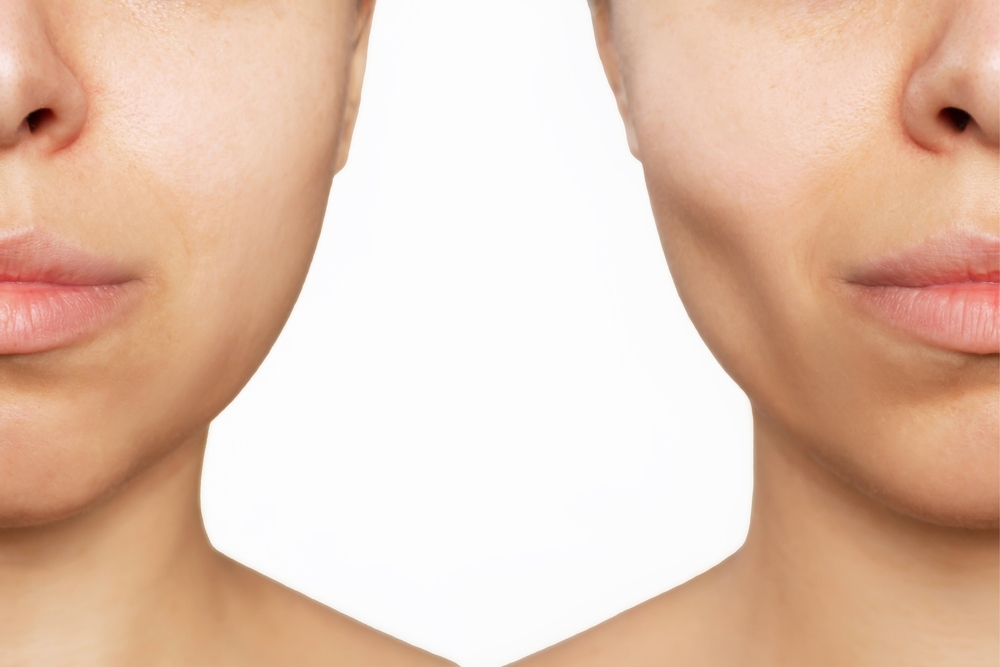
While 44% of people thinking about GLP-1 treatment expect facial volume loss, only 20% experience what’s called “Ozempic face”[34]. So, you might be wondering what this condition looks like and whether you’re at risk. Ozempic face, also known as GLP-1 face, refers to the gaunt, aged appearance that can develop when rapid weight loss reduces facial fat pads. The faster you lose weight, the more likely you are to notice these changes[35], but there are ways to prevent and treat this concern.
Understanding Ozempic Face
The Connection Between Weight Loss Medications and Facial Changes
The term “Ozempic face” emerged after patients and medical professionals noticed distinct facial changes following rapid weight loss with GLP-1 medications[36]. But this phenomenon isn’t exclusive to Ozempic. Changes like this can occur with bariatric surgery, restrictive diets, or any form of big weight loss in a short timeframe[35].
These changes aren’t a side effect of the medication itself[35]. They result from how quickly your body sheds fat stores when appetite suppression and slowed digestion work together[37]. Your face shows the effects of rapid weight reduction more visibly than other body areas.
Why Does This Happen with Rapid Weight Loss?
Your face relies on delicate fat compartments to maintain youthful contours and fullness[38]. Facial fat loss often occurs before your skin and underlying structures can adapt when weight loss happens quickly[38].
Rapid weight loss accelerates processes that occur with natural aging[35]. You lose subcutaneous fat from your face and neck, causing hollowing and sagging skin[35]. The speed matters because your skin produces less collagen and elastin during rapid weight reduction[35]. These proteins provide structure and stretch. Their depletion makes your skin less able to retract after volume loss[39].
Signs and Symptoms of Ozempic Face
Gaunt and Aged Appearance
Your face may take on a hollowed, sunken appearance following rapid fat loss. The hollowing effect creates what many describe as a deflated appearance. Your cheeks flatten. Your eyes appear set deeper into your face, and your facial structure loses the fullness that once defined your features[43]. Some patients notice they look tired or ill-appearing despite feeling healthier after weight loss[43].
Wrinkles and Skin Texture Changes
Skin texture deteriorates as rapid weight loss depletes essential nutrients and disrupts your skin’s barrier function[44]. Your skin becomes thinner and loses elasticity from sudden depletion of essential fatty acids[44]. Collagen and elastin metabolism gets disrupted, resulting in sallow, dull, thin skin[44].
New wrinkles emerge, or existing lines deepen because the fat that once smoothed and supported your skin has decreased[45]. Fine lines become more visible around your mouth, cheeks, and eyes[45]. Deep folds running from the corners of your nose to your mouth become pronounced[46]. You may also notice folds beneath the corners of your mouth and increased lines on your lips[46]. Sagging develops in your cheeks, jawline, and neck[35].
Bone Structure Becomes More Prominent
Without adequate facial fat to pad your bones, your underlying bone structure becomes more obvious[35]. Your cheekbones and jawline appear sharper and more angular[47]. The orbital bone and brow ridge become more prominent, making your eyes look deeper and creating increased shadowing over your upper eyelids[47].
How to Avoid Ozempic Face
Choose Slower Weight Loss Rates
Slower and steady weight loss reduces the likelihood of pronounced facial deflation[48]. Gradual reduction allows your skin time to adapt and contract naturally[48]. Your body continues producing collagen and remodeling skin tissue when you lose weight at a measured pace[13].
Dermatologists and weight management specialists recommend losing 1 to 2 pounds per week[8][6][5]. Rapid weight loss of more than 2 pounds weekly often outpaces your skin’s natural contraction[13].
Work with Your Doctor on Dosage Adjustments
Talk to your prescribing provider about gradual dose titration if you’re using a GLP-1 medication[49]. This approach helps your body get used to how GLP-1 receptors work without causing too much discomfort[50].
Maintain Proper Nutrition and Hydration
Adequate protein intake supports collagen synthesis and helps preserve lean tissue, including in your face[49]. Protein provides the amino acids like proline and glycine that your body needs to form healthy collagen and elastin[5].
Include vitamin C-rich foods to support collagen production. Omega-3 fatty acids from sources like salmon and walnuts support skin health and maintain hydration by improving the strength and elasticity of your skin’s lipid barrier[8][132].
Proper hydration boosts elasticity and resilience[14]. GLP-1 medications can suppress thirst cues along with hunger cues. This makes intentional fluid intake necessary[15].
Non-Surgical Treatments to Address Facial Volume Loss
Injectable Fillers and Botox
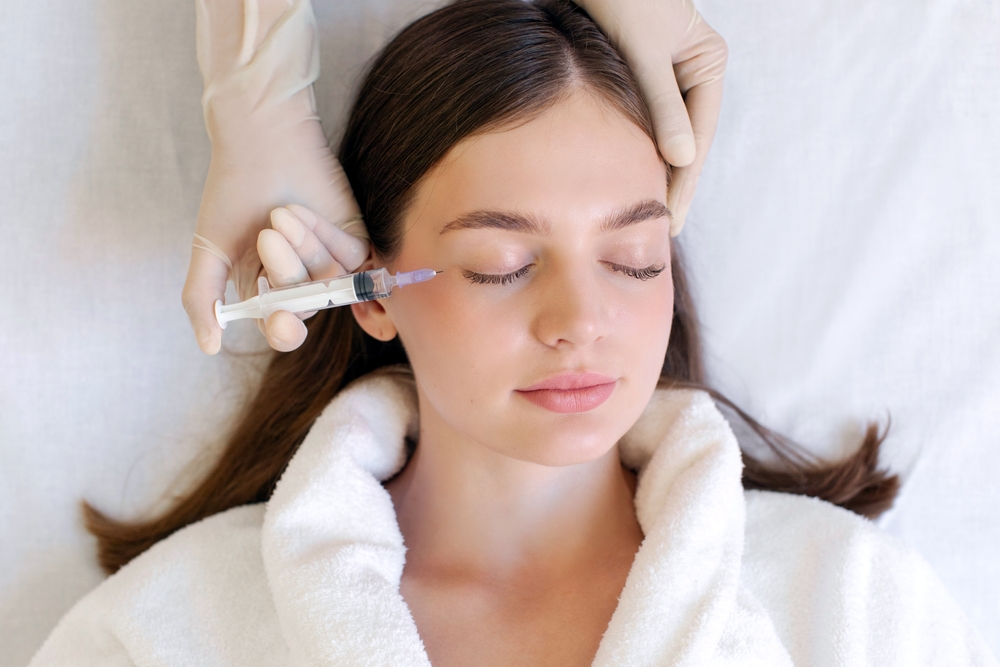
Dermal fillers restore volume by injecting gel-like substances beneath your skin to replace lost fullness and smooth creases. Hyaluronic acid fillers, the most common type, provide immediate results that last six to 24 months, depending on the product and treatment area[9].
Biostimulators like Sculptra offer a different approach. Sculptra stimulates your body’s own collagen production over time rather than filling space right away. This creates improvement that can last up to two years or longer[16]. Radiesse acts as a framework under your skin while stimulating natural collagen growth, with results that last about 1 year.
Botox addresses a separate concern. It relaxes tense muscles that create wrinkles, with effects lasting up to three months[17]. Many patients combine fillers with Botox to address both volume loss and dynamic wrinkles and achieve more complete facial rejuvenation[18].
PRP Therapy for Skin Rejuvenation
Platelet-rich plasma therapy, sometimes called the “vampire facial,” uses your own blood to promote skin rejuvenation[19]. Your provider draws two to four tablespoons of blood from your arm and places it in a centrifuge to separate the platelet-rich plasma. They then reinject it into your face or apply it during microneedling[19].
PRP may reduce wrinkles and plump sagging skin[19]. Most patients who see results need three or more treatments. Effects can last as long as 18 months[19].
Microneedling and RF Skin Tightening
Radiofrequency microneedling combines tiny needles with radiofrequency energy to trigger collagen and elastin production[7]. You’ll see results after three to six months. Most people need at least four sessions spaced three to eight weeks apart[7]. Initial results last about one year, with annual touch-ups recommended to maintain your desired outcome[7].
Collagen Supplements and Skincare Products
Research on oral collagen supplements shows they may improve skin elasticity and hydration while reducing wrinkles and roughness[20]. Studies found wrinkle reductions ranging from 10% to 28% at the end of one month[20].
Consider products containing vitamin C or prescription tretinoin. Vitamin C protects existing collagen and may increase collagen synthesis[21], while tretinoin has been shown to improve collagen production at the dermal level[21].
Surgical Solutions and When to Consider Them
Facelift and Neck Lift Procedures
Surgical facelifts offer more dramatic and permanent results than non-surgical alternatives. A rhytidectomy lifts and tightens deeper facial tissues through incisions hidden near your hairline and around your ears[17]. Your surgeon repositions the underlying muscles and removes excess skin to create smoother contours[12]. Modern techniques combine facelifts with volume restoration methods such as fat grafting to improve cheek volume and fill hollow areas rather than just pulling skin tight[22].
Neck lifts address sagging in your lower face and neck. They treat excess fat deposits under your chin, loose neck skin, and muscle banding[23]. Results from surgical facelifts can last up to 10 years without requiring additional procedures[12].
Cheek Implants for Volume Restoration
Cheek implants use biocompatible materials to increase your underlying facial structure, with medical-grade silicone being the most common[24]. Your surgeon places them through discreet incisions inside your mouth or behind your lower eyelid. This leaves no external scarring[25]. The implants remain stable for life after positioning and healing, and they don’t change with normal aging or weight fluctuation[24].
Fat Grafting from Other Body Areas
Facial fat grafting harvests small amounts of fat from your abdomen or thighs through liposuction[11]. The fat is purified and injected into areas needing volume using a microdroplet technique for smoother results[27]. Repeat procedures are almost always necessary to achieve ideal results and should occur at least six months to a year after your first procedure[26].
Ozempic face results from rapid weight loss rather than the medication itself, and you can minimize its effects. Your specific situation determines which approach might work best. A board-certified practitioner at Beauty Vault in West Hollywood can assess your facial changes and discuss treatment options tailored to your goals. Call us today at (323) 800-6770 or fill out our contact form to schedule a consultation.
FAQs
Q1. Can facial changes from rapid weight loss be reversed?
Yes, facial volume loss can be addressed through various treatments. Non-surgical options like dermal fillers, PRP therapy, and microneedling can restore volume and improve skin texture, with results lasting from several months to over a year. For more significant changes, surgical procedures such as facelifts or fat grafting offer longer-lasting results. The best approach depends on the severity of volume loss and your individual goals.
Q2. How quickly should I lose weight to avoid facial hollowing?
Losing 1 to 2 pounds per week minimizes noticeable facial volume loss. This gradual pace allows your skin time to adapt and continue producing collagen naturally. Rapid weight loss exceeding 2 pounds weekly often outpaces your skin’s ability to contract, leading to more pronounced hollowing and sagging in the face.
Q3. What nutritional steps can help maintain facial fullness during weight loss?
Adequate protein intake supports collagen synthesis and helps preserve facial tissue. Include vitamin C-rich foods to support collagen production and omega-3 fatty acids to maintain skin elasticity. Staying well-hydrated with 80 to 100 ounces of fluid daily also enhances skin resilience during weight loss.
Q4. How long do dermal filler results last for treating volume loss?
Hyaluronic acid fillers typically last six to 24 months depending on the specific product and treatment area. Biostimulators like Sculptra work differently by stimulating your body’s collagen production and can last up to two years or longer. Radiesse generally lasts about one year. Many patients schedule maintenance treatments to preserve their results over time.
Q5. When should I consider surgical options instead of non-surgical treatments?
Surgical options become appropriate when you have severe sagging skin, pronounced jowls, significant neck laxity, or extremely loose skin that non-surgical treatments can’t effectively address. If you require substantial volume restoration or have deep wrinkles that fillers alone can’t correct, procedures like facelifts or fat grafting may provide more comprehensive and longer-lasting results, with effects lasting up to 10 years.
References
[1] – https://www.ozempic.com/
[3] – https://www.ozempic.com/ozempic-pill/how-ozempic-pill-works.html
[6] – https://www.usdermatologypartners.com/blog/sagging-skin-after-weight-loss/
[7] – https://www.healthline.com/health/radiofrequency-microneedling
[8] – https://www.webmd.com/obesity/loose-skin-after-weight-loss
[9] – https://www.americanboardcosmeticsurgery.org/cosmetic-procedures/non-surgical/injectable-fillers/
[10] – https://www.clearviewdermatology.com/blog/why-face-looks-older-after-weight-loss-how-to-prevent
[11] – https://med.stanford.edu/cosmeticsurgery/aestheticservices/face/facial-fat-grafting.html
[12] – https://www.fordprs.com/blog/surgical-vs-non-surgical-facial-rejuvenation
[13] – https://www.knownwell.co/blog-posts/6-ways-to-decrease-loose-skin-naturally-after-losing-weight
[15] – https://www.miweightlossinstitute.com/hydration-weight-loss-medications/
[16] – https://www.mandellbrown.com/blog/treatments-to-restore-facial-volume/
[17] – https://my.clevelandclinic.org/health/treatments/24018-non-surgical-facelift
[18] – https://modernaesthetic.institute/blog/dermal-fillers-volume-loss-guide/
[19] – https://www.aad.org/public/cosmetic/younger-looking/platelet-rich-plasma-secret-to-younger-skin
[20] – https://pmc.ncbi.nlm.nih.gov/articles/PMC8824545/
[22] – https://sskplasticsurgery.com/blog/can-a-facelift-improve-hollow-cheeks-or-facial-volume-loss/
[23] – https://www.plasticsurgery.org/cosmetic-procedures/neck-lift
[24] – https://www.julingong.com/facial-implants-vs-fat-grafting-two-approaches-to-restoring-facial-volume/
[25] – https://ohns.ucsf.edu/facialplastics/cosmetic-surgery/cheek-enhancement
[26] – https://pmc.ncbi.nlm.nih.gov/articles/PMC7023965/
[28] – https://www.mayoclinic.org/tests-procedures/face-lift/about/pac-20394059
[29] – https://www.scottsdalefacialplastics.com/blog/what-are-the-risks-of-facelift-surgery/
[30] – https://med.stanford.edu/drmost/aesthetic-services/procedures/facelift-necklift.html
[31] – https://www.plasticsurgery.org/news/blog/your-facelift-recovery-explained-from-day-1-to-day-30
[32] – https://www.americanboardcosmeticsurgery.org/cosmetic-procedures/face/facelift-surgery/
[33] – https://www.ocalaplasticsurgery.com/2026/07/why-does-your-face-lose-volume-as-you-age/
[34] – https://www.healthline.com/health/ozempic-face
[35] – https://health.clevelandclinic.org/ozempic-face
[36] – https://pmc.ncbi.nlm.nih.gov/articles/PMC11427949/
[37] – https://www.northwell.edu/news/insights/ozempic-face
[38] – https://jasonchampagnemd.com/blog/facial-volume-loss-after-weight-loss-medications
[39] – https://www.medicalnewstoday.com/articles/ozempic-face
[40] – https://sofwave.com/blog/does-rapid-weight-loss-cause-facial-aging
[41] – https://restoresdplasticsurgery.com/conditions/facial-changes-after-rapid-weight-loss/
[42] – https://www.uclahealth.org/news/article/ozempic-face-and-other-glp-1-side-effects
[43] – https://www.drkenkel.com/blog/what-is-ozempic-face-how-can-facial-plastic-surgery-help/
[44] – https://www.everydayhealth.com/healthy-skin/ozempic-face-weight-loss-skin-changes/
[45] – https://www.socalaestheticsurgery.com/blog/sagging-facial-skin-after-weight-loss
[47] – https://saxonmd.com/blog/ozempic-face-and-the-orbital-bone/
[49] – https://allureaestheticsllc.com/blog/facial-volume-loss-after-weight-loss/
[50] – https://www.trimbodymd.com/faqs/can-i-take-a-half-dose-of-ozempic/