Does GLP-1 cause muscle loss? Studies show people taking these medications can lose a substantial amount of muscle with fat. About 25% to 40% of total weight lost is lean mass[27]. Understanding how to prevent muscle loss on GLP-1 matters most for your success.
Understanding GLP-1 and Muscle Loss: The Complete Picture
What are GLP-1 Medications and How Do They Work?
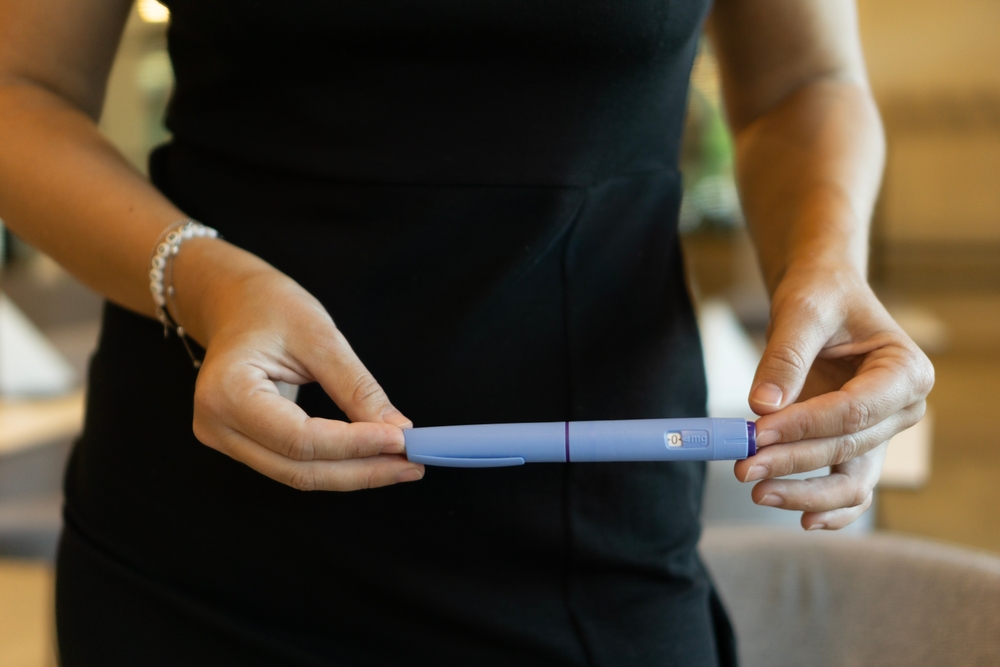
GLP-1 stands for glucagon-like peptide-1, a hormone your gut produces when you eat[28]. Your body releases this hormone to regulate blood sugar by increasing insulin secretion, slowing how quickly your stomach empties, and signaling your brain that you’re full[28]. GLP-1 receptor agonists are medications that mimic this hormone’s effects and magnify those natural processes[28].
Ozempic and Wegovy both contain semaglutide, while Mounjaro and Zepbound contain tirzepatide[28]. Ozempic and Mounjaro received FDA approval for people with diabetes. Wegovy and Zepbound are indicated for obesity[28]. Tirzepatide works differently by targeting both GLP-1 and GIP receptors, which may provide boosted effects on blood sugar and appetite regulation[28].
These medications delay gastric emptying. Food moves more slowly from your stomach to your intestines[28]. This mechanism helps control post-meal blood sugar spikes and increases satiety[28]. So they act on your brain’s appetite centers and reduce the urge to snack or overeat[28].
The Science Behind Muscle Loss During Weight Loss
You decrease caloric intake across proteins, carbohydrates, and fats when you lose weight[29]. Your brain needs glucose to function[29]. Fat by itself cannot convert into glucose, which explains why muscle loss becomes inevitable when you decrease caloric intake[29].
Your body operates on a hierarchy of energy sources. Glycogen stores deplete. Your body burns fat for energy but also converts muscle protein to glucose, especially as a quick backup energy source[30]. Calorie restriction triggers your body to protect fat because fat serves as an energy reserve[31]. Muscle becomes a sacrifice[31].
This process happens whatever way you lose weight. The appetite suppression from GLP-1 medications can lead to substantially reduced caloric intake, which increases the risk of losing lean muscle tissue along with fat without proper intervention[32].
Can You Build Muscle While on GLP-1?
You can build or preserve muscle mass while taking GLP-1 medications with a structured approach[32]. These medications don’t interfere with the body’s ability to build muscle. Their main effect is appetite suppression[32].
Studies show that proper habits help people lose mostly fat while keeping muscle[36]. Current data shows combining a high protein diet and regular exercise with GLP-1 treatment has the greatest benefit in preserving bone and muscle mass[29].
The Real Reasons Why GLP-1 Reduces Muscle Mass
Decreased Caloric Intake and Muscle Breakdown
GLP-1 medications work so well at suppressing appetite that people taking them eat 16% to 39% fewer calories than before starting treatment[37]. That dramatic reduction moves the scale, but it also creates nutritional gaps. Getting enough vitamins, minerals, and protein from food alone becomes harder when your total daily intake drops that much[37].
Inadequate protein intake worsens the loss of lean body mass that accompanies weight loss[23]. Your body doesn’t discriminate between fat and muscle when it needs fuel. Your body breaks down muscle tissue for energy if protein intake falls short during a calorie deficit[38]. This process accelerates when calorie reduction happens quickly, which GLP-1 medications can help.
The Brain’s Need for Glucose
Your brain depends almost exclusively on glucose for fuel[41]. Your brain cannot use fatty acids for energy, unlike your muscles and liver[41].
Your body initiates gluconeogenesis when glucose availability drops during calorie restriction[42]. Skeletal muscle houses nearly 75% of all protein in the body and contributes heavily to gluconeogenesis in states of drastic depletion[43]. Your body converts muscle protein into glucose to feed your brain[44].
Protein: Your First Line of Defense Against Muscle Loss
How Much Protein Do You Actually Need?
The standard recommendation of 0.8 grams per kilogram of body weight prevents deficiency but falls short when you want to preserve muscle during weight loss[8]. A 165-pound person needs just 60 grams at this baseline[8]. Research suggests you need substantially more when losing weight on GLP-1 medications.
You want to get 1.0 to 1.2 grams per kilogram if you’re over 50 to maintain muscle mass, which declines with age[8][9]. A 165-pound person in this category should target 75 to 90 grams each day[9]. Active individuals in a calorie deficit require 1.6 to 2.2 grams per kilogram to preserve lean mass[3][10]. That translates to 130 to 180 grams each day for a 180-pound person[3].
Plant-based eaters need more due to lower bioavailability. Target 1.2 to 1.5 grams per kilogram and bump intake by 10% to 20% to ensure adequate amino acid absorption[3]. Current evidence points to approximately 1.6 grams per kilogram as a target that works to preserve lean mass during weight loss[46].
Overcoming Reduced Appetite Challenges
Hunger no longer signals when to eat on GLP-1 medications[12]. Create a loose eating schedule instead and check in with your body at regular intervals[12]. Several smaller protein opportunities throughout the day often work better than one or two large meals[12].
Protein Timing for Maximum Muscle Protection
Distribute protein across breakfast, lunch, and dinner rather than concentrating it at one meal[3][173]. Muscle protein synthesis increases by about 25% when you distribute protein evenly rather than concentrating it at dinner[10].
Exercise Strategies to Preserve Lean Mass on GLP-1
Resistance Training Fundamentals
Resistance training provides the quickest way to maintain or increase muscle mass during weight loss[14]. You lift weights, use resistance bands, or use your own body weight against gravity and create mechanical tension on muscle tissue[15]. This stimulus signals your body to preserve muscle even when calories drop.
Best Exercises for Muscle Preservation
Compound movements that work multiple muscle groups at once produce better results than isolation exercises[16]. Squats, deadlifts, lunges, hip thrusts, bench press, overhead press, pull-ups, and rows should be your focus[15]. These exercises allow you to train with heavier weights and help increase muscle mass faster[16].
Creating a Sustainable Workout Schedule
Two or three workouts per week produces the most muscle size and strength compared with fewer or more sessions[16]. Rest one full day between exercising each specific muscle group[7].
Combining Strength and Cardio Exercise
Combining resistance training with moderate-intensity cardio produces superior body composition outcomes compared to either approach alone[19]. Strength training preserves muscle while cardio improves circulation and increases calorie expenditure[20].
Complete Nutrition and Lifestyle Approach for Muscle Protection
Vitamins and Minerals You Should Track
Vitamin D plays several important roles in maintaining muscle health. Low levels have been linked consistently to weaker muscles and slower walking speed[1]. Magnesium helps proper muscle function, including contraction and relaxation[1]. Iron helps deliver oxygen to muscles and supports energy production, while deficiency can weaken muscle performance[1]. Selenium, zinc, and calcium all contribute to muscle metabolism and function[21].
Preventing Weight Regain After Treatment
People who cease taking GLP-1 obesity drugs typically regain an average of nearly a pound a month. They often end up gaining back all the weight they lost within two years[11]. Gradually tapering off the medication instead of stopping abruptly may prevent weight regain[4]. Continue prioritizing protein from lean meat, poultry, fish, soy, and dairy products[11]. Increase fiber intake from fruits, vegetables, nuts, seeds, and whole grains to help mimic GLP-1 effects[11]. Include healthy fats from fatty fish, olive oil, avocados, nuts, and seeds to promote satiety[11].
Muscle loss during GLP-1 therapy isn’t inevitable. Adequate protein intake, resistance training, and strategic nutrition can help you preserve lean mass while achieving your weight loss goals. Schedule a consultation with a practitioner at Beauty Vault in West Hollywood to develop a tailored plan that blends nutrition strategy and exercise protocols with ongoing support throughout your GLP-1 experience. Call us today at (323) 800-6770 or fill out our contact form to schedule an appointment.
FAQs
Q1. How much muscle loss typically occurs during GLP-1 treatment?
Research indicates that approximately 25% to 40% of total weight lost during GLP-1 therapy may come from lean mass, with the remaining 60% to 75% being fat loss. However, it’s important to note that lean mass includes not just skeletal muscle, but also organs, bones, and body fluids.
Q2. What are the most effective strategies to prevent muscle loss while taking GLP-1 medications?
The most effective approach combines adequate protein intake with consistent resistance training. Aim for approximately 1.6 grams of protein per kilogram of body weight daily, distributed evenly across meals. Engage in resistance training at least two to three times per week, focusing on compound movements like squats, deadlifts, and bench presses. Studies show that combining high protein intake with regular exercise during GLP-1 treatment provides the greatest benefit in preserving muscle mass.
Q3. Why do GLP-1 medications lead to muscle loss?
GLP-1 medications suppress appetite so effectively that people typically consume 16% to 39% fewer calories than before treatment. This dramatic calorie reduction can create nutritional gaps, particularly in protein intake. When your body doesn’t receive adequate protein during a calorie deficit, it breaks down muscle tissue for energy. Additionally, your brain requires about 130 grams of glucose daily, and when glucose availability drops, your body converts muscle protein into glucose through a process called gluconeogenesis.
Q4. How much protein should I consume daily while on GLP-1 therapy?
Protein requirements vary based on age and activity level. If you’re over 50, aim for 1.0 to 1.2 grams per kilogram of body weight. Active individuals in a calorie deficit should target 1.6 to 2.2 grams per kilogram to preserve lean mass. For optimal muscle preservation, distribute your protein intake evenly across meals, aiming for 25 to 30 grams per meal rather than concentrating it at one sitting.
Q5. Can you actually build muscle while taking GLP-1 medications?
Yes, you can build or preserve muscle mass while taking GLP-1 medications with a deliberate approach. With adequate protein intake and consistent resistance training, you can maintain and sometimes increase strength during GLP-1 therapy despite overall weight loss.
References
[2] – https://www.jefit.com/blog/best-diet-and-exercise-plan-for-fat-loss-and-muscle-preservation
[3] – https://www.bodyspec.com/blog/post/how_much_protein_to_prevent_muscle_loss
[5] – https://www.healthline.com/nutrition/26-muscle-building-foods
[7] – https://www.mayoclinic.org/healthy-lifestyle/fitness/in-depth/strength-training/art-20046670
[9] – https://www.aarp.org/health/healthy-living/foods-to-preserve-muscle-mass/
[10] – https://www.usada.org/spirit-of-sport/when-consume-protein-muscle-growth/
[12] – https://healthicare.com/blog/how-to-eat-more-protein-when-your-appetite-is-low-on-glp-1
[13] – https://www.healthline.com/nutrition/whey-vs-plant-protein
[14] – https://bmjopensem.bmj.com/content/11/3/e002363
[15] – https://www.womenshealthmag.com/uk/fitness/fat-loss/a69857499/strength-cardio-fat-loss-routine/
[16] – https://www.health.harvard.edu/healthy-aging-and-longevity/resistance-training-by-the-numbers
[17] – https://www.health.harvard.edu/healthy-aging-and-longevity/preserve-your-muscle-mass
[18] – https://pliability.com/stories/how-to-work-out-when-tired
[19] – https://www.premierfitnesscamp.com/blog/guide/program-preserve-muscle-lose-fat/
[20] – https://defined.com/the-benefits-of-combining-cardio-and-strength-training/
[21] – https://pmc.ncbi.nlm.nih.gov/articles/PMC8227811/
[23] – https://www.sciencedirect.com/science/article/pii/S2161831322006810
[25] – https://culinahealth.com/blog/worth-working-dietitian-weight-loss/
[27] – https://www.healthline.com/health/drugs/glp-1s-and-exercise
[28] – https://www.wmchealth.org/living-well/beyond-the-ozempic-buzz-how-glp-1s-actually-work
[29] – https://advances.massgeneral.org/endocrinology/article.aspx?id=1601
[32] – https://www.rejuvimemedical.com/blog/can-you-build-muscle-while-taking-glp-1-medications
[33] – https://www.poterehealthmd.com/post/glp1-muscle-loss-semaglutide-tirzepatide
[35] – https://ro.co/weight-loss/does-tirzepatide-cause-muscle-loss/
[36] – https://www.facebeautyscience.com/blog/building-muscle-while-taking-semaglutide/
[37] – https://www.bswhealth.com/blog/glp-1-diet-what-to-eat-while-taking-a-glp-1-medication
[38] – https://akroncanton.mobomedspa.com/blog/2025/01/26/how-to-add-protein-into-your-diet-while-on-glp-1s
[39] – https://www.nih.gov/news-events/nih-research-matters/calorie-restriction-human-muscle-function
[40] – https://pmc.ncbi.nlm.nih.gov/articles/PMC7762489/
[41] – https://www.eufic.org/en/whats-in-food/article/glucose-and-mental-performance
[42] – https://www.ncbi.nlm.nih.gov/books/NBK541119/
[43] – https://www.sciencedirect.com/science/article/pii/S152586101630113X