Whether due to childbirth, menopause, or medical conditions, women are often affected by urinary incontinence and trouble with intimacy. PRP therapy for vaginal rejuvenation brings new hope for many of them. This article explores how PRP treatments could help you address both bladder control and intimacy concerns.
Understanding Vaginal Rejuvenation and PRP Therapy
Vaginal rejuvenation consists of procedures that restore or improve the function and appearance of vaginal tissues. Women are now choosing these treatments more often to address changes from aging, childbirth, or hormonal shifts.
What is Vaginal Rejuvenation and How is It Performed?
Vaginal rejuvenation uses various techniques to tighten, reshape, or improve vaginal tissues. These procedures help women who experience vaginal laxity, dryness, recurring infections, pain during intercourse, and other symptoms [2].
The procedures fall into two main categories:
- Surgical procedures: These include labiaplasty (reshaping the labia), vaginoplasty (tightening the vaginal canal), clitoral hood reduction, and vulvar reconstruction [3].
- Non-surgical treatments: These use energy-based treatments (lasers, radiofrequency), PRP injections, or combinations of these approaches [3].
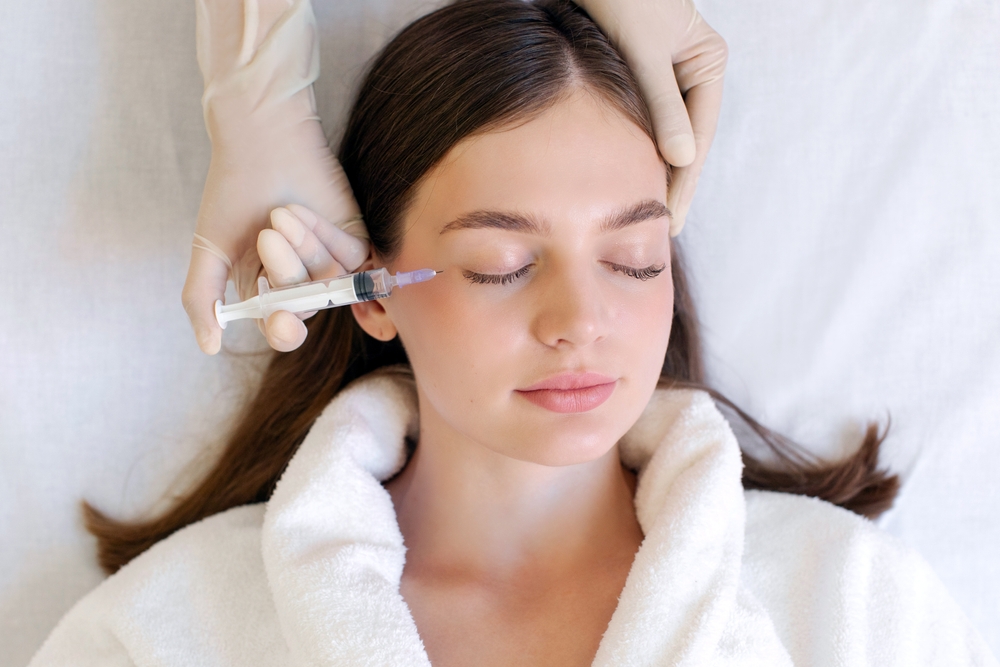
PRP-based treatments follow a simple process. Your Beauty Vault provider draws blood from your arm, places it in a centrifuge to separate the platelet-rich plasma, and injects this golden-colored serum into and around the vaginal tissues [4]. The whole ordeal takes about 30 minutes [5].
How PRP Works in Vaginal Tissue Regeneration
PRP therapy uses your body’s natural healing powers to revitalize vaginal tissues. The platelets in PRP contain high concentrations of growth factors that are vital for tissue regeneration [7].
PRP injections can help with:
- Forming more collagen for tissue firmness.
- Better neovascularization (new blood vessel formation).
- Cellular regeneration.
- Reducing inflammation [6].
These biological processes help restore vaginal tissues affected by atrophy. PRP can improve symptoms by boosting tissue elasticity and moisture levels.
PRP for Bladder Control: Evidence and Mechanism
PRP treatments are effective for addressing stress urinary incontinence because they strengthen the tissues that support the urethra and bladder. In fact, the clinical evidence shows PRP injections substantially improve standardized incontinence measurements[14]. Results from one key study showed half the participants achieved a “successful outcome” three months after treatment [15].
PRP for Intimacy and Sexual Function
PRP vaginal rejuvenation shows promise beyond just helping with bladder control. Research has given us a clear explanation of how these treatments can improve intimate wellness and sexual satisfaction. The treatments work by stimulating tissue regeneration and increasing sensitivity.
Reported benefits: Lubrication, Orgasm, and Arousal
Patients who received PRP treatment reported better sexual function in several ways. The most notable improvements include:
Pain during intercourse also decreased significantly [3]. These improvements likely come from increased collagen formation and better blood flow in vaginal tissues, which supports the body’s natural healing processes.
Types of PRP Vaginal Rejuvenation Procedures
Modern vaginal rejuvenation procedures come in three main categories. Each one provides unique benefits for women who want tissue regeneration, better sensation, or improved bladder control. Doctors can use these approaches alone or together based on specific needs and goals.
CO2 Laser with PRP for Collagen Stimulation
CO2 laser technology combined with platelet-rich plasma creates a powerful collaborative effort for vaginal tissue rejuvenation. This fractional CO2 laser creates controlled micro-injuries in the vaginal tissue’s upper layers and prompts the lower layers to produce new collagen fibers. Results can improve substantially when doctors add PRP to this treatment.
The procedure involves these steps:
- Laser treatment creates microscopic injuries to stimulate natural healing.
- Blood drawing and processing isolate the platelet-rich plasma.
- PRP application to treated areas delivers concentrated growth factors.
- Growth factors speed up healing and boost collagen formation.
This combined approach works especially well for vaginal laxity, dryness, and mild urinary incontinence [9]. Treatment sessions last about 30 minutes, and most patients need minimal recovery time [10].
Radiofrequency (RF) with PRP for Tissue Tightening
RF technology paired with PRP therapy provides another effective approach. It reshapes collagen and restores tissue in the vagina [8].
RF works differently from laser treatments by sending thermal energy waves deep into tissues, which improves blood flow and triggers collagen production [9]. Adding PRP can make results even better by providing growth factors that help healing and tissue regeneration [11]. PRP’s concentrated platelets contain 5 to 10 times more growth factors than normal blood [3], which can boost the tissue-tightening effects of RF energy.
Standalone PRP Injections for Vaginal Wall and Urethra
PRP works as a standalone treatment, too. Doctors carefully inject it into specific areas of vaginal tissue, which typically includes:
- The anterior vaginal wall, which has more nerve endings than the posterior wall [3].
- The clitoris and surrounding tissues, to boost sensitivity.
- The periurethral area, to help with urinary incontinence symptoms.
PRP injections near the urethra might strengthen surrounding tissues by increasing collagen production and improving blood flow [2]. This makes standalone PRP injections worth considering for mild stress incontinence and intimate wellness concerns [13].
Risks, Limitations, and Clinical Considerations
Anyone thinking about PRP vaginal rejuvenation treatments should know both their benefits and potential risks.
Reported Side effects: Spotting, Discomfort, Urinary Retention
Your body’s own material makes PRP treatments generally safe with minimal side effects. However, patients might notice mild swelling or bruising where the injections happen [19]. Some also experience brief burning sensations [19] or vaginal spotting [20]. Most side effects go away quickly without any treatment.
Come to the Beauty Vault for PRP Vaginal Rejuvenation
PRP vaginal rejuvenation offers women a viable option to address bladder control problems and intimate wellness concerns because it can encourage and optimize the body’s natural healing processes. To know whether it’s right for you, book an appointment with the Beauty Vault team in West Hollywood. Call us now at (323) 800-6770 or fill out a contact form.
FAQs
Q1. How effective is PRP treatment for urinary incontinence?
PRP treatment has shown promising results for stress urinary incontinence. Studies indicate that about 80% of patients report improvement in symptoms, with some achieving complete continence. However, effectiveness can vary, and results may not be as long-lasting as surgical options.
Q2. Can PRP injections enhance sexual function?
Yes, PRP injections may improve various aspects of sexual function. Many women report increased lubrication, enhanced orgasmic function, and greater overall satisfaction following treatment.
Q3. What are the potential side effects of PRP vaginal rejuvenation?
Side effects of PRP vaginal rejuvenation are generally mild and temporary. They may include slight swelling or bruising at injection sites, brief burning sensations, and occasional vaginal spotting. In rare cases, some patients have experienced temporary urinary retention or heightened sexual arousal.
Q4. How does PRP compare to surgical options for vaginal rejuvenation?
PRP offers a less invasive alternative to surgical procedures with minimal downtime. While it may not provide results as dramatic as surgery, many women find it effective for addressing mild to moderate symptoms. PRP can be a good option for those seeking improvement without the risks associated with surgery.
Q5. Is PRP vaginal rejuvenation suitable for everyone?
No, PRP vaginal rejuvenation is not suitable for everyone. It’s contraindicated for women who are pregnant, breastfeeding, or have certain health conditions like coagulation disorders, active infections, or autoimmune diseases. A thorough medical consultation is essential to determine if you’re a good candidate for the treatment.
References
[2] – https://www.tsobgyn.com/gynecology/prp
[3] – https://pmc.ncbi.nlm.nih.gov/articles/PMC7090261/
[4] – https://www.evolvemdmodernmedspa.com/body/vaginal-rejuvenation-with-prp/
[5] – https://www.mdpi.com/2075-4426/15/6/214
[6] – https://pmc.ncbi.nlm.nih.gov/articles/PMC11295534/
[7] – https://pmc.ncbi.nlm.nih.gov/articles/PMC8022168/
[8] – https://pmc.ncbi.nlm.nih.gov/articles/PMC5418869/
[12] – https://www.annandaleobgyn.com/vaginal-prp-injection/
[13] – https://strivemdnc.com/vaginal-prp-therapy/
[14] – https://www.mdpi.com/2227-9059/11/11/2919
[15] – https://pmc.ncbi.nlm.nih.gov/articles/PMC12194431/
[16] – https://pmc.ncbi.nlm.nih.gov/articles/PMC12648869/
[17] – https://pmc.ncbi.nlm.nih.gov/articles/PMC10669888/
[19] – https://dialnet.unirioja.es/descarga/articulo/10386265.pdf