To understand Botox effects long-term, you need to look beyond conventional wisdom. You’ve probably heard that Botox lasts four to six months [23]. But recent evidence suggests something different: Changes in your muscle composition, function, and appearance may persist for much longer, even years [24]. Questions arise then about how long Botox lasts with consistent use, whether Botox stays in your body forever, and what Botox changes over time mean for you.
Understanding Botox Effects: Short-Term vs. Long-Term
How Botox Works in Your Body
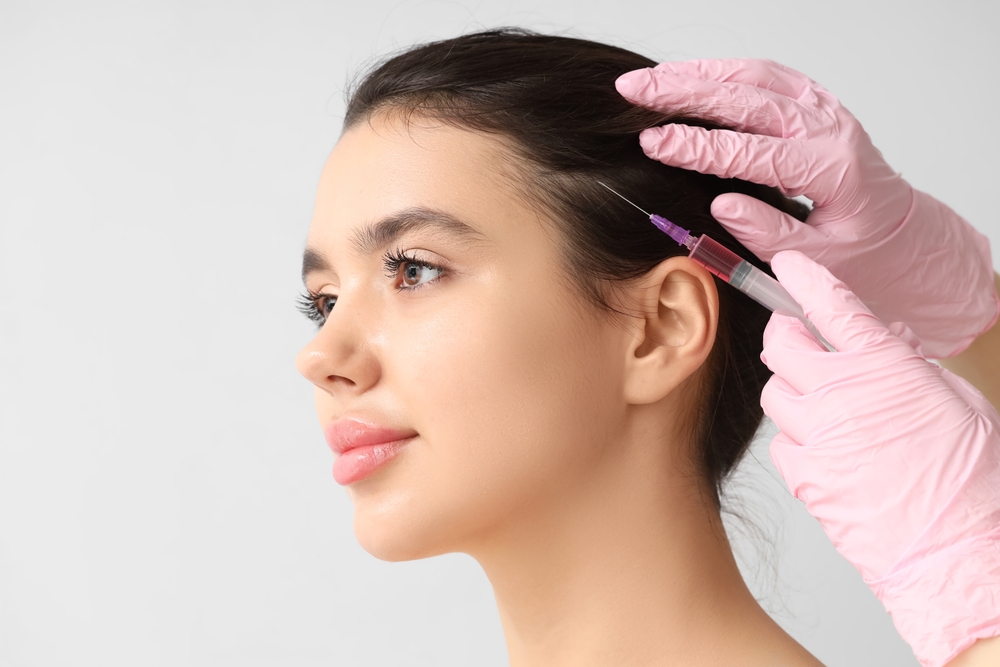
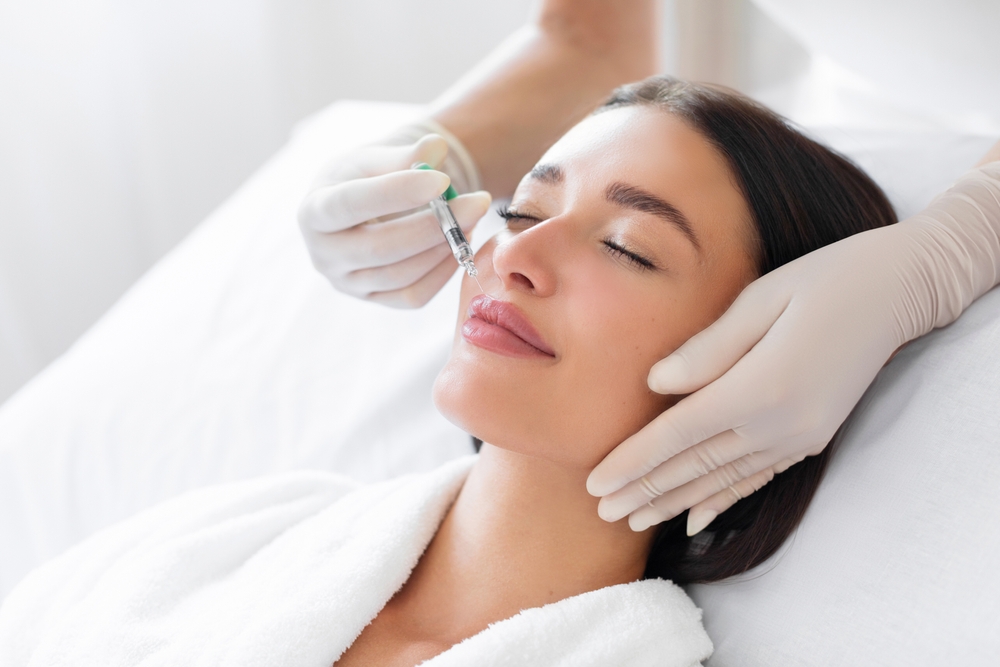
Botox binds to specific sites on your cholinergic nerve terminals and blocks the release of acetylcholine, a chemical messenger that triggers muscle contractions. Your muscles relax and stop contracting with their usual force when this neurotransmitter cannot reach them. The overlying skin smooths as a result.
Typical Duration of Single Treatment
You won’t see changes right after your injection. The toxin’s beneficial effects become apparent within seven to 10 days [2]. Maximum response develops at approximately four to six weeks and lasts for an average of 12 weeks [2]. Most patients require reinjections every three to four months [2].
First-time users often experience shorter results. Your first treatment lasts 2.5 to 3.5 months because the targeted muscles are at full strength. Results tend to extend closer to 3.5 to four months by your second and third treatments as the muscles begin adapting to their relaxed state.
What Changes After Years of Injections?
Botox changes over time become more pronounced with consistent use. Your muscles weaken from extended periods of inactivity, which means future injections encounter less resistance.
You may find that results extend to four to five months between sessions after a year or more of regular treatments. This occurs for two reasons: the cumulative weakening of targeted muscles and potential behavioral modifications. You may unconsciously stop frowning as frequently when you receive repeated injections in areas like the glabellar lines (the “elevens” between your eyebrows), which reduces the mechanical stress that creates wrinkles.
Does Botox stay in your body forever? No, but its effects on muscle structure and your facial habits can persist well beyond the active treatment period. The preventative benefits accumulated during years of consistent Botox use may slow the progression of dynamic wrinkles even after you stop treatment.
Real Physical Changes That Occur with Botox Over Time
Physical manifestations of Botox over time extend well beyond simple wrinkle reduction. Research reveals measurable changes in muscle structure, skin quality, and facial dynamics that develop through years of regular treatments.
Muscle Strength and Tone Alterations
Your facial muscles respond to Botox by adapting their structure. Studies show that atrophy and weakness remain present up to 3.5 years after stopping injections [26]. The total amount of Botox you receive substantially predicts the degree of both strength and thickness changes in treated muscles [26].
Skin Texture and Elasticity Changes
Botox changes over time include notable improvements in skin quality. Your skin may develop a smoother, glassier appearance as Botox minimizes movement in treated areas and allows repair through collagen synthesis [28]. The reduced muscle activity creates less mechanical stress on overlying skin.
Botox relaxes facial muscles, which can improve circulation and promote more even skin tone [29]. Patients notice smoother skin with fewer blemishes, tighter pores, and an overall healthier appearance [29]. Some worry about skin thinning, but studies do not support this concern as a direct effect of the treatment [21].
Age-Related Effectiveness Differences
Your age substantially influences treatment outcomes. Patients between 40 and 60 respond best to Botox [30]. But effectiveness declines after age 60 when wrinkles result more from gravity-induced sagging than muscle contraction [30].
Elderly patients face additional considerations. Thinner, less elastic skin and weaker facial muscles reduce response rates [30]. The delicate skin of older patients also increases bruising susceptibility [30].
Botox Long-Term Effects: Benefits of Consistent Use
Cumulative advantages emerge as you maintain consistent Botox use and create measurable improvements that extend beyond what single treatments can achieve.
Preventative Effects on Wrinkle Formation
Botox functions more as a preventative measure than a restorative one [4]. The active ingredient stops facial muscles from contracting in patterns that deepen lines and wrinkles [4]. Starting treatments earlier therefore produces more preventative effects [4].
Preventative Botox targets muscle groups before wrinkles form and proactively impedes their onset while preserving smoother skin [31]. Dynamic wrinkles etch themselves into your skin through years of repetitive muscle contractions [31]. Early intervention with Botox can prevent these creases from deepening and becoming more pronounced with age [31]. Your skin retains its elasticity and resilience while maintaining a smoother texture in the long run [31].
Reduced Need for Higher Doses
Your muscles become conditioned through regular treatments, and you may need less product to achieve desired results [6]. Muscles that have trained themselves not to move require smaller amounts of Botox or less frequent applications [6]. This happens because weakened muscles present less resistance to the neurotoxin’s effects.
Improved Treatment Outcomes
Regular treatments yield superior long-term outcomes compared to sporadic injections [32]. After 10-plus years of continuous use, you may look much younger with fine lines and deep wrinkles significantly diminished [6]. Your skin develops a much smoother appearance[6].
Consistency minimizes fluctuations in your appearance that occur when Botox effects begin wearing off [32]. Second sessions often prove more predictable because muscles are already conditioned [12].
Behavioral Habit Changes
Botox over time can modify your facial movement patterns beyond physical changes. With repeated injections, you may frown less [21]. These behavioral modifications occur as treated muscles “forget” to contract [21].
Potential Concerns and Considerations for Long-Term Users
Most people tolerate Botox well, but certain concerns become relevant with years of repeated injections. Your body may develop antibodies against the product over time. Research shows that antibotoxin antibodies can occur in 5% to 10% of patients who receive repeated, long-term, high-dose treatments [7].
Antibodies block Botox from working when they form, and your facial muscles recover more quickly [15]. You’ll know resistance has developed if Botox fails to stop forehead movement and you can still frown and raise your eyebrows [14].
Life After Botox: What to Expect If You Stop Treatment
How Quickly Do Effects Disappear?
At the time you stop receiving injections, Botox effects don’t vanish overnight. You’ll continue enjoying peak results with relaxed muscles and smooth skin for the first few weeks to two months [20]. Movement returns between months two and three [20]. You’ll notice subtle “flickers” of expression that weren’t present before [20].
Major movement returns to treated areas by month three or four [20]. Dynamic wrinkles reappear as muscles resume contraction [9]. Full metabolization occurs by six months, with muscles regaining their original strength [20].
Muscle Recovery Process
Any muscle weakening from extended use reverses once injections stop [20]. Atrophy and weakness can persist up to 3.5 years in some cases, but muscles rebuild strength through use [21].
Permanent vs. Temporary Changes
A common myth suggests stopping causes worse wrinkles. Lines simply return to their pre-treatment state [9][22]. Your face won’t age suddenly [9]. But if you’ve managed to keep Botox use consistent for years, returning wrinkles may appear softer due to accumulated preventative benefits [9].
Botox changes over time can work in your favor. Consistent use may give you extended results and preventative benefits while reducing dosage needs. Schedule a consultation with a practitioner at Beauty Vault in West Hollywood to determine whether regular treatments line up with your aesthetic goals. Call us today at (323) 800-6770 or fill out our contact form to schedule an appointment.
FAQs
Q1. What happens to your face if you stop getting Botox after years of use?
When you discontinue Botox after long-term use, the effects gradually fade over several months. You’ll continue seeing results for the first few weeks to two months, then movement slowly returns between months two and three. By months three to four, significant movement returns and dynamic wrinkles reappear. Full muscle strength typically returns by six months as your body completely metabolizes the toxin. Your face simply returns to its pre-treatment state rather than suddenly looking worse.
Q2. Can you develop a resistance to Botox with repeated treatments?
Yes, some people can develop antibodies against Botox with repeated, long-term use, though this occurs in fewer than 1% of cosmetic patients. When resistance develops, the treatment stops working effectively and muscles recover very rapidly.
Q3. Does long-term Botox use cause muscle weakness or atrophy?
Long-term Botox use can cause temporary muscle weakening and atrophy in treated areas. Studies show these changes can persist for several months to a few years after stopping treatment, but they are reversible. The muscles gradually rebuild strength through normal use once you discontinue injections. This localized weakening is actually part of how Botox works and why results may improve over time with consistent use.
Q4. Is preventative Botox worth starting in your 20s?
Preventative Botox in your 20s is debated among professionals. While Botox can prevent dynamic wrinkles from deepening by limiting muscle movement, wrinkles primarily form due to sun exposure, collagen loss, and aging rather than facial expressions alone. Many people who started Botox early report that wrinkles still appear when treatment wears off, similar to their peers who never used it. Starting when lines actually appear may be more cost-effective.
Q5. Does Botox have any positive long-term effects with consistent use?
Yes, consistent Botox use offers several benefits over time. Many users find that treatments last longer between sessions as muscles become conditioned to reduced movement. You may need lower doses to achieve the same results, and some people develop behavioral changes where they unconsciously make fewer expressions that cause wrinkles. Additionally, preventing repetitive muscle contractions can help minimize the deepening of dynamic wrinkles during the treatment period.
References
[1] – https://pmc.ncbi.nlm.nih.gov/articles/PMC10374191/
[2] – https://emedicine.medscape.com/article/325451-overview
[3] – https://reneeburkemd.com/what-happens-if-you-stop-using-botox/
[4] – https://www.healthline.com/health/beauty-skin-care/botox-facts
[5] – https://www.buzzrx.com/blog/how-much-is-botox
[6] – https://www.byrdie.com/long-term-effects-of-botox-11894088
[7] – https://pmc.ncbi.nlm.nih.gov/articles/PMC7874868/
[8] – https://sculptclinic.co.uk/is-botox-safe-long-term/
[9] – https://www.gainesvilleplastic.com/botox/what-happens-if-you-stop-botox-heres-the-truth/
[10] – https://my.clevelandclinic.org/health/treatments/8312-botulinum-toxin-injections
[11] – https://www.medicalnewstoday.com/articles/drugs-does-botox-wear-off
[12] – https://www.goldcoastplasticsurgery.com/blog/botox-the-second-time-around-4-things-to-expect/
[13] – https://www.schweigerderm.com/skin-care-articles/botox/preventative-botox/
[14] – https://www.nyheadache.com/blog-posts/what-to-do-when-botox-stops-working
[15] – https://www.dianewaldermd.com/blog/does-botox-stop-working
[16] – https://www.bbc.com/future/article/20240503-are-there-long-terms-health-risks-to-using-botox
[17] – https://drmohanclinic.co.uk/is-botox-safe-long-term/
[18] – https://www.dermatologytimes.com/view/botulinum-toxin-long-term-safety-study-finds-no-news-good-news
[19] – https://www.mayoclinic.org/tests-procedures/botox/about/pac-20384658
[20] – https://rosemedaesthetics.com/what-happens-if-you-stop-getting-botox/
[21] – https://health.clevelandclinic.org/long-term-effects-of-botox
[22] – https://beyouthful.com/blogs/news/what-happens-when-you-stop-botox
[23] – https://www.healthline.com/health/how-long-does-botox-last
[24] – https://pubmed.ncbi.nlm.nih.gov/34611099/
[25] – https://pmc.ncbi.nlm.nih.gov/articles/PMC12634149/
[26] – https://www.mdpi.com/2072-6651/15/4/296
[27] – https://www.sciencedirect.com/science/article/pii/S2467981X23000215
[28] – https://laserlipoandveins.com/the-surprising-effects-of-botox-on-your-skin/
[30] – https://pmc.ncbi.nlm.nih.gov/articles/PMC2684082/
[31] – https://facialesthetics.org/the-long-term-benefits-of-preventative-botox-a-comprehensive-analysis/
[32] –https://www.evexiasdenver.com/why-get-your-botox-treatments-consistently-every-3-4-months/