You’ve scheduled your cosmetic treatment, but now you’re wondering about flying after Botox and dermal fillers. The good news: Flying after these cosmetic procedures is safe, as the effects typically remain localized to the injection site[29].
Understanding Botox and Dermal Fillers Before You Fly
What are Botox Injections?
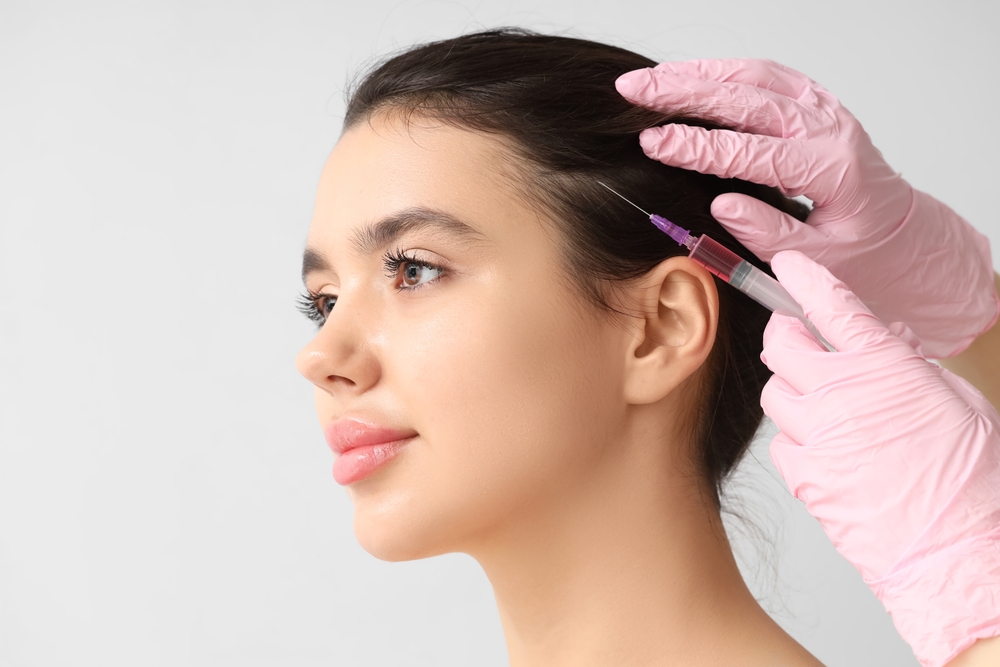
Botox is a prescription treatment containing purified botulinum toxin type A, a neurotoxin that affects nerve signals to muscles[1]. The mechanism works at the neuromuscular junction. Once injected, your targeted muscles can’t contract as strongly[4]. This relaxation smooths dynamic wrinkles, those lines formed by repeated facial expressions like frowning or squinting.
In addition to cosmetic applications, healthcare providers use Botox to treat migraines, hyperhidrosis (excessive sweating), overactive bladder, and various eye conditions[1][1].
What are Dermal Fillers?
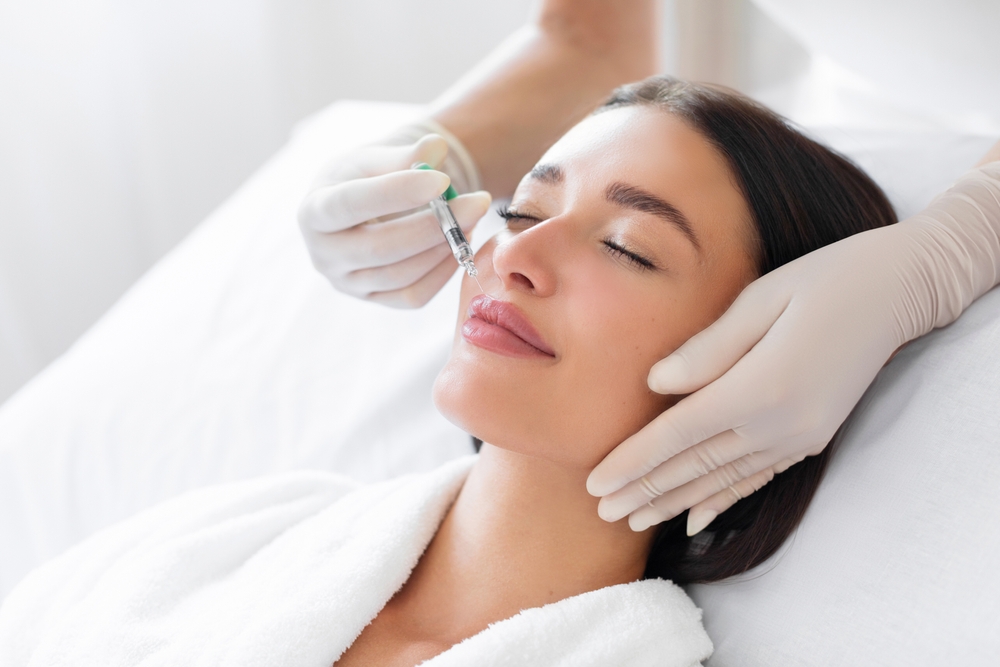
Dermal fillers are gel-like substances injected beneath your skin to restore volume, smooth wrinkles, and boost facial contours[2][32]. Fillers physically add substance to areas that have thinned due to aging, unlike Botox, which relaxes muscles.
FDA-approved uses include correcting facial wrinkles, increasing fullness in lips and cheeks, restoring facial fat loss patients, and treating acne scars[2].
Is It Safe to Fly After Fillers and Botox?
Most practitioners agree that flying after Botox and fillers poses minimal risk when you follow proper timing. The prescribing information for these treatments doesn’t specify air travel restrictions, and no side effects related to flying have been documented[29]. But your Beauty Vault practitioner may recommend waiting anywhere from one day to two weeks before boarding a flight[29].
What the Research Says
Flying after cosmetic procedures is safe because treatment effects remain localized to injection sites[29]. Research shows that cabin pressure changes at cruising altitude create a 25% reduction in oxygen levels, which affects how treated tissues respond[16]. Commercial aircraft maintain cabin pressure equivalent to 6,000-8,000 feet altitude[16].
The timeline varies by treatment type. For Botox, most providers recommend waiting at least 24 to 48 hours before flying[29][35][36]. This window allows the toxin to bind to nerve receptors at injection sites. Some practitioners prefer patients wait only four hours, while others suggest a full 24-hour period[37].
Dermal fillers require longer recovery periods. Hyaluronic acid-based treatments need three to seven days for domestic flights and one to two weeks for international travel[16].
How Air Pressure Affects Injectable Treatments
A persistent myth claims cabin pressure causes Botox or fillers to migrate throughout your face. Evidence doesn’t support this[29][37]. Airplane cabins are pressurized to match ground-level air pressure, so pressure changes alone won’t move the toxin or filler material[29].
What does happen involves your body’s fluid balance. Cabin pressure can reduce blood pressure by four to five percent[35]. Altered cabin pressure disrupts your lymphatic system and causes mild fluid retention throughout your body[40]. Because hyaluronic acid is hydrophilic and attracts water molecules, any move in fluid retention will show up where fresh filler was placed[40].
If your tissues are experiencing normal inflammation from needle trauma, atmospheric changes inside the cabin will magnify that fluid collection[40]. The result may be noticeable puffiness in treated zones. Changes in air pressure could increase swelling or bruising at injection sites[29][5].
Cabin environments also feature low humidity levels, often under 20 percent[40]. This dehydration affects skin healing and may intensify discomfort in treated areas[36].
Individual Risk Factors to Consider
First-time patients face uncertainty about individual reaction patterns and should follow maximum conservative guidelines[16]. If you’ve never had Botox or fillers, think about delaying air travel in case you experience an allergic reaction[29][41].
Patients with bleeding disorders or those taking anticoagulant medications need longer observation periods because of increased bruising and swelling potential[16]. Previous adverse reactions to cosmetic treatments, history of excessive swelling, or compromised immune systems all warrant extended post-treatment flying restrictions[16].
If you receive Botox for migraines, your symptoms could worsen while flying because changes in atmospheric pressure may trigger more migraine headaches[29]. Patients over 65 experience slower healing and require longer treatment recovery periods[16].
Best Practices for Dermal Filler Aftercare When Traveling
Proper dermal filler aftercare becomes essential when you combine treatment with air travel. The steps you take right after injections and during your flight can substantially affect how quickly side effects resolve.
Immediate Post-Treatment Care (First 24 Hours)
Your first 24 hours determine how well your treatment settles. Avoid applying makeup to injection sites during this critical window. Cosmetics may introduce bacteria and increase infection risk[11]. Keep the treated area clean and use fresh towels and pillowcases[11]. Clean your phone, glasses, and sunglasses before they contact treated zones[11].
Apply cold compresses in 10-minute intervals during the first few hours to reduce swelling[42]. Don’t place ice on your skin. Wrap it in a clean cloth first. Sleep with your head elevated using an extra pillow to minimize fluid accumulation around injection sites[42].
Skip strenuous exercise for at least 24 hours after your appointment[11]. Physical activity increases blood pressure and body heat, which can worsen bruising and swelling. Avoid saunas, hot tubs, and excessive heat exposure for 24 to 48 hours as well[43]. Heat dilates blood vessels and intensifies inflammation.
Don’t massage or touch the treated areas[11]. You might feel firmness or slight discomfort, but rubbing risks displacing the filler before it integrates with surrounding tissue. Facials and professional massage should wait at least 24 to 48 hours[43][11].
Limit alcohol consumption during this period. It thins your blood and may increase bruising[11]. Take acetaminophen (Tylenol) rather than aspirin or ibuprofen for pain relief, which can also thin blood[11]. Stay well-hydrated by drinking plenty of water. Hyaluronic acid fillers attract moisture, so adequate hydration helps the product settle smoothly[42].
Maintaining Results During Your Flight
Cabin environments create challenges for recently treated skin. Hydrate throughout your flight by bringing a reusable water bottle through airport security[10]. Drink water often, as low cabin humidity worsens swelling and bruising[13].
Limit salty snacks and avoid alcohol in-flight[10]. Both contribute to fluid retention, which amplifies puffiness in treated areas. Walk the aisle every hour on longer flights to reduce facial swelling[10]. Movement promotes circulation and prevents fluid from pooling.
Choose a soft neck pillow instead of leaning against the window[10]. Pressure on injection sites during the first 24 to 48 hours may affect how filler settles. If you need to wear a mask, select a breathable option that doesn’t press on treated zones[10].
Keep your head elevated whenever possible to prevent facial swelling[14]. This positioning helps lymphatic drainage and minimizes the fluid retention that cabin pressure changes can trigger.
What to Pack in Your Carry-On
Your travel bag should include specific items to support dermal filler aftercare:
- Gentle, hydrating moisturizer and lip balm to combat cabin dryness[10]
- Mineral SPF 30+ sunscreen for window seats and post-arrival sun protection[15][10]
- Small, clean cold pack for use after landing if you’re prone to bruising[10]
- Arnica gel or tablets to help reduce bruising, if your provider approves[10][15]
- Bromelain supplements for their anti-inflammatory properties, with provider clearance[10]
- Treatment documentation and provider’s 24/7 emergency contact in case complications arise[16]
- Facial mist to refresh skin in dry cabin air[16]
Pack these items in TSA-approved sizes and keep them accessible throughout your journey[16].
Planning Your Travel Timeline Around Cosmetic Procedures
Ideal Scheduling for Short Trips
Schedule Botox appointments two to four weeks before your departure[22][23]. This timeline allows results to reach full effectiveness, which occurs approximately two weeks after injection[24]. Dermal filler aftercare requires waiting at least one week before flying, though two weeks provides a safer buffer[12][25].
Planning for Special Events
Weddings or major celebrations need treatment booking six weeks in advance[26][24]. This allows time for swelling and bruising to resolve and provides room for follow-up adjustments if needed[26]. Work events or networking functions require three to four weeks of lead time[26]. Vacations benefit from two-to-three-week advance scheduling[26].
What to Tell Your Injector About Your Travel Plans
Disclose your travel dates before treatment[12]. Your Beauty Vault practitioner needs this information to customize timing recommendations and review protocols with you[12].
Flying after Botox and fillers is safe when you follow the right timeline. Consult with a practitioner at Beauty Vault in West Hollywood before you schedule your cosmetic treatment around a trip. They will develop a custom timeline that fits your travel plans. Call us today at (323) 800-6770 or fill out our contact form to schedule a consultation.
FAQs
Q1. Is it safe to fly after getting Botox?
Yes, flying after Botox is generally safe. Most practitioners recommend waiting 24 to 48 hours after Botox injections. This timeframe allows any early redness or swelling to fade and gives the product sufficient time to begin settling into the targeted muscles, ensuring optimal results and minimizing potential complications.
Q2. How long should I wait before flying after getting filler injections?
It’s recommended to wait at least one to two weeks after dermal fillers before boarding a flight. This waiting period allows initial swelling and redness to subside and gives the products time to settle properly in the treated areas. Additionally, changes in cabin pressure during flights can occasionally cause swelling and internal bruising, which may affect your treatment results. Waiting this period ensures the filler has properly integrated with your tissue and reduces the risk of complications.
Q3. Can changes in altitude affect my facial fillers during a flight?
Yes, altitude changes can impact facial fillers. The altered air pressure in airplane cabins can cause temporary swelling or fluid retention in treated areas, particularly with hyaluronic acid fillers that attract water. This is why waiting at least a week after treatment before flying helps minimize these effects and ensures better results.
Q4. Why do I need to wait before flying after cosmetic injections?
Waiting before flying allows the injected products to settle properly and reduces the risk of complications. Cabin pressure changes, low humidity, and reduced oxygen levels at high altitudes can intensify swelling and bruising in recently treated areas. The waiting period also ensures you’re available for follow-up care if any unexpected reactions occur.
References
[1] – https://my.clevelandclinic.org/health/treatments/8312-botulinum-toxin-injections
[2] – https://www.fda.gov/consumers/consumer-updates/dermal-filler-dos-and-donts-wrinkles-lips-and-more
[3] – https://www.health.harvard.edu/blog/dermal-fillers-the-good-the-bad-and-the-dangerous-201907152561
[4] – https://columbiasurgery.org/conditions-and-treatments/botox-injection
[5] – https://kpaesthetics.co.uk/2023/11/how-soon-can-you-fly-after-lip-fillers/
[6] – https://drhamzagemici.com/en/blog/flying-after-lip-fillers-recovery-guide
[7] – https://www.maxsurg.com/blog/dermal-fillers-vs-botox-whats-the-difference
[8] – https://www.medicalnewstoday.com/articles/320510
[10] – https://www.studiozskincare.com/flying-after-fillers-or-wrinkle-reducers-thanksgiving-travel-guide
[12] – https://theacademyclinic.co.uk/planning-your-holiday-tweakments/
[14] – https://www.amwajpolyclinic.com/tips-for-flying-after-fillers/
[16] – https://cityskin.com.au/flying-after-cosmetic-procedures-at-cityskin-recommendations-and-guidelines/
[17] – https://www.healthline.com/health/beauty-skin-care/lip-fillers-aftercare
[18] – https://drmichaelogorman.com/do-and-cant-do-after-lip-fillers/
[19] – https://www.wallcenter.com/blog/lip-filler-swelling-stages-what-to-expect-after-your-treatment/
[20] – https://www.facesbydrt.com/blog/can-you-fly-after-having-injectables/
[21] – https://azul-medspa.com/what-not-to-do-after-lip-filler/
[22] – https://www.seiffcenter.com/news/how-long-before-i-get-botox/
[24] – https://orthorepair.com/blog/how-to-schedule-botox-around-holiday-travels/
[25] – https://www.limmerdermatology.com/post/how-soon-should-i-get-fillers-before-vacation
[26] – https://gloderma.com/ideal-timeline-for-getting-dermal-fillers-injection/
[27] – https://prepareky.com/accessible-resources/health-wellness-card/
[28] – https://blog.americanmedical-id.com/2023/02/what-to-print-on-a-medical-id-card/
[29] – https://www.medicalnewstoday.com/articles/drugs-can-you-fly-after-botox
[30] – https://pmc.ncbi.nlm.nih.gov/articles/PMC10541165/
[31] – https://www.asds.net/skin-experts/skin-treatments/neuromodulators
[32] – https://www.plasticsurgery.org/cosmetic-procedures/dermal-fillers/types
[33] – https://www.asds.net/skin-experts/skin-treatments/injectables/injectable-hyaluronic-acid
[34] – https://www.mayoclinic.org/tests-procedures/facial-fillers/about/pac-20394072
[35] – https://www.harleystreetskinclinic.com/articles/can-you-fly-after-botox-injections/
[36] – https://amedics.co.uk/blog/can-you-fly-after-botox/
[37] – https://ellemesmedspa.com/botox/flying-after-botox-injections-what-you-need-to-know/
[39] – https://www.acquisitionaesthetics.co.uk/blog/can-you-fly-after-botox-and-filler-treatment/
[41] – https://formationmed.com/can-you-fly-after-botox/
[42] – https://www.drmofid.com/facial-procedures/dermal-filler-aftercare-dos-and-donts-for-best-results/
[43] –https://www.plasticsurgery.org/news/articles/what-not-to-do-after-getting-facial-filler