Repeat patients make up 70 percent of medical spa visits, yet many wonder if maintenance is needed or just a marketing strategy. The answer lies in understanding how your body processes treatments. This piece explains why it’s important and what how you should handle it.
What is Maintenance Mode with Med Spa Treatments?
The Science Behind Treatment Longevity
Med spa maintenance operates on a scientifically grounded principle: working with your body’s natural processes rather than against them. The concept has changed from addressing surface-level concerns to targeting aging at its molecular roots. Aging isn’t a passive process but driven by biological mechanisms you can affect, as recent advances in longevity science reveal.
Why Results Fade Over Time
Your metabolism plays a central role in how long treatments last. Every person’s body dissolves fillers after injections, and while research hasn’t proven the connection, most Beauty Vault practitioners observe that patients who exercise frequently or have faster metabolisms tend to see results fade slightly sooner than less active individuals [3].
Neuromuscular activity substantially affects treatment duration, too. For example, botulinum toxin works by blocking acetylcholine release at the neuromuscular junction, and patients with high baseline muscle strength, frequent facial animation, or fast metabolic rates may regenerate neuromuscular signaling more quickly [3]. Also, areas with more movement—such as the lips and areas around the mouth—tend to metabolize filler material faster because constant muscle activity breaks down the product more rapidly than in less active zones [3].
The Role of Your Body’s Natural Processes
Your skin consists of trillions of living cells, each one a small factory that produces energy and materials to maintain skin health [1]. Skin loses collagen, elasticity, and volume as it ages [1], so treatments designed to address these changes must account for ongoing cellular activity.
Treatments stimulate your body’s natural healing processes. For instance, microneedling creates tiny injuries that encourage collagen and elastin production [1]. Results appear over time but tend to look more natural because it works with your body’s own repair mechanisms [1]. Non-ablative technologies demonstrate moderate yet meaningful improvements by warming deeper skin layers without disturbing the surface [4].
How Often to Get Facials and Other Med Spa Treatments
Scheduling frequency varies substantially based on which treatment you choose. Understanding typical timelines helps you plan appointments and budget time for how often to go to med spa visits throughout the year.
Botox and Neurotoxin Treatment Schedules
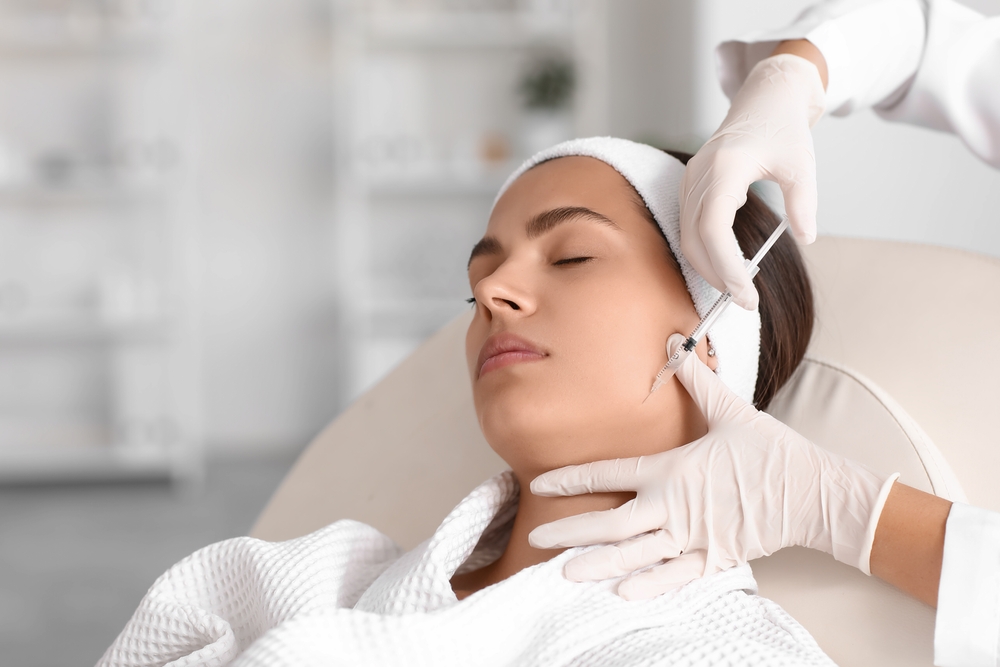
Most people schedule neurotoxin treatments every three to four months [3]. This 12- to 16-week interval helps maintain wrinkle-smoothing results by preventing treated muscles from regaining full movement [3].
Dermal Filler Maintenance Timelines
Filler longevity depends heavily on placement location and product formulation. Hyaluronic acid fillers last 6 to 18 months [7], though specific areas require different maintenance schedules. Touch-up treatments at the 12- to 24-month mark help maintain facial structure [8]. Most patients need maintenance filler treatment every six to eight months on average [5].
Chemical Peel Frequency Guidelines
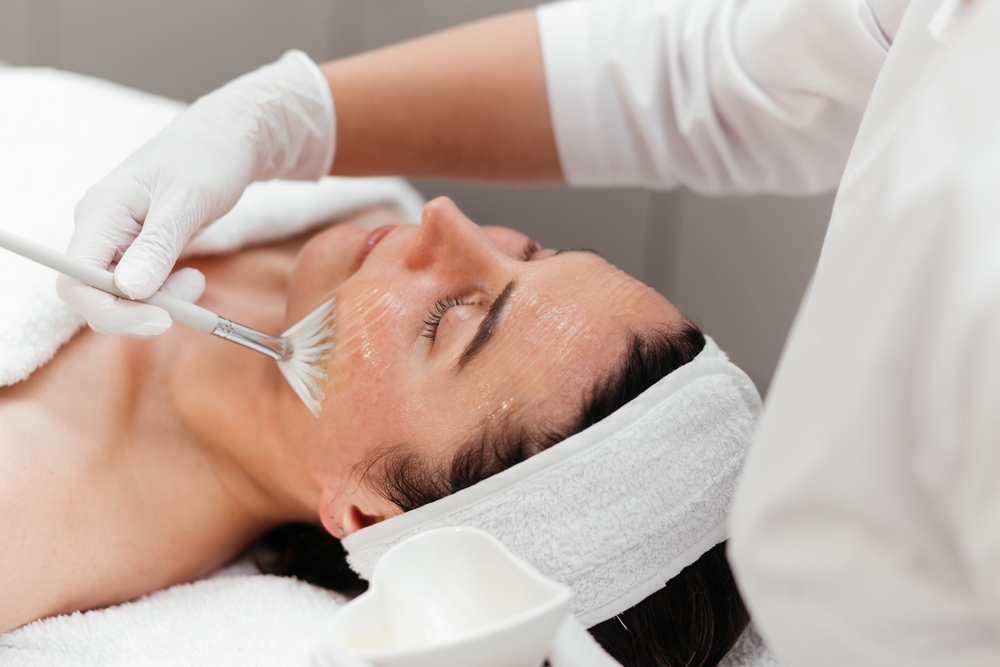
Peel depth determines spacing intervals. Light peels can be repeated every four to six weeks, which makes them suitable for regular facial maintenance and gentle rejuvenation [9]. Medium peels penetrate more deeply and require longer recovery, with treatments recommended every three to six months [9][9]. Deep peels are intensive procedures performed once per year or less [9][9].
Laser Treatment Intervals
Laser hair removal sessions are scheduled every four to six weeks and align with hair growth cycles [10]. Most people need six to eight sessions to achieve a substantial reduction [10]. Maintenance sessions may be recommended every 6 to 12 months after that [10].
Laser skin resurfacing follows different protocols. Non-ablative treatments can be done every four to six weeks and often require a series of three to five treatments [10]. Ablative laser resurfacing delivers more dramatic results but occurs once every 6 to 12 months [10]. After the initial treatment series, yearly touch-ups help maintain a refreshed skin appearance [10].
Body Contouring Session Spacing
CoolSculpting sessions are spaced four to six weeks apart [11] and allow your body time to process fat reduction over time [12]. Most people need two to six sessions per treatment area.
Factors That Determine Your Med Spa Maintenance Schedule
Your personal maintenance timeline is different from someone else’s, even if you receive similar treatments. Several biological and lifestyle factors shape how often you need to return for med spa treatments and how long results persist between visits.
Age and Skin Regeneration Rate
Skin naturally renews itself approximately every 28 days [3]
[6]. This cycle slows as you age and affects both treatment effectiveness and maintenance frequency. Patients with resilient, thicker skin may prefer annual laser maintenance, while those with sensitive or thinner skin might benefit from treatments spaced further apart [14].
Aging affects your skin at multiple levels. Intrinsic aging involves biochemical degenerative processes that occur over time. Fine wrinkles, reduced elasticity, and dryness characterize this process [15]. Your body’s repair mechanisms become less efficient with age and allow DNA damage to accumulate [15]. Aged skin experiences impaired blood vessel growth. This reduces inflammatory cells and chemical mediators from reaching injury sites [15]
[16]. Compromised microcirculation means less oxygen and nutrients reach treatment areas. Recovery may slow, and the result duration may shorten.
Lifestyle Habits and Environmental Exposure
Your daily habits affect skin health and treatment longevity more than most people realize. Sun exposure stands as one of the biggest contributors to premature aging. It can diminish med spa results quickly if not managed properly [17]
[18].
As one example, chronic UV exposure accelerates collagen destruction and promotes pigmentation formation [19]. Air pollution threatens skin health through particulate matter, ozone, and volatile organic compounds. These contribute to wrinkle formation and antioxidant depletion [19]. To combat these issues, apply broad-spectrum SPF 30 or higher every morning and reapply throughout the day [5]. Mineral sunscreens with zinc oxide or titanium dioxide work well when the skin is sensitive post-treatment [7].
Sleep quality affects your maintenance schedule because restorative processes accelerate during deep sleep. Collagen synthesis and cellular repair happen at this time [17]
[8]. Chronic sleep deprivation interrupts these processes and slows healing. Persistent stress raises cortisol, which breaks down collagen and increases facial muscle tension. This may shorten the visible effects of treatments [8].
Hydration status plays a substantial role. Dehydrated skin heals more slowly and looks less vibrant. It may require more frequent touch-ups [8]. Dermal treatments require sufficient water content for optimal integration and stable volume [8].
Smoking restricts blood flow and oxygen delivery. This impairs tissue repair. Alcohol dehydrates skin and interferes with nutrient absorption [8].
Skincare Routine
Medical-grade products contain higher concentrations of active ingredients compared to over-the-counter options. They penetrate skin more deeply and target specific concerns at deeper levels [21]. Your skin needs gentle support after treatments. Use a mild, fragrance-free cleanser without sulfates or alcohol. Apply a hydrating serum containing hyaluronic acid or ceramides and follow with a moisturizer to lock in moisture [5]
[7].
Also, incorporate targeted ingredients once your skin recovers from treatment sensitivity. Retinoids increase cell turnover and stimulate collagen production. This helps maintain smoother skin between visits [22]
[21]. Vitamin C serums protect against free radical damage while brightening skin and supporting collagen synthesis [21]. Your Beauty Vault provider can recommend medical-grade formulations tailored to your skin type and treatment goals [23].
Individual Skin Response Patterns
Your unique biology determines how treatments affect you. Metabolism, natural collagen production, and skin type all affect how quickly results appear and how long they last [18]. Those with faster metabolism may break down certain products more quickly. Those with strong collagen production may enjoy longer-lasting improvements [18].
Skin type affects frequency as well. Oily skin may require facials every two to four weeks to manage oil production. Sensitive skin benefits from gentler sessions spaced six to eight weeks apart [6].
Signs You Need to Adjust Your Treatment Frequency
Visible changes signal when your body has processed previous treatments. One example is a reduction in facial volume or the reappearance of lines, which indicates that effects have diminished [28].
New esthetic concerns may develop over time, such as deeper wrinkles or changes in skin texture [31]. These emerging issues further suggest your treatment plan needs updating to address current conditions rather than past ones.
Maintain Your Look with the Beauty Vault in West Hollywood
Maintenance mode represents a scientifically sound approach rather than marketing hype. Your body processes treatments through metabolism, cellular renewal, and muscle activity naturally, so your initial results fade over time.
However, no single maintenance schedule fits everyone. There are many variables that go into determining a plan that makes sense for you. That’s why you should visit the Beauty Vault in West Hollywood, where our team of doctors will be happy to evaluate your situation and treat you accordingly. To schedule a consultation, call us today at (323) 800-6770 or fill out a contact form.
FAQs
Q1. What determines how often you should schedule med spa appointments? Your maintenance schedule depends on several personal factors, including your age, metabolism rate, lifestyle habits, and the specific treatment you receive. Younger patients with faster cellular turnover may need different frequencies than older patients. Additionally, sun exposure, stress levels, sleep quality, and hydration all influence how long results last and how often you’ll need follow-up treatments.
Q2. Is it possible to get med spa treatments too frequently? Yes, over-treatment can damage your skin. Warning signs include persistent redness, increased sensitivity, thinning skin, or an unnatural puffy appearance from excessive fillers. It’s important to allow proper healing time between sessions and work with your Beauty Vault provider to establish an appropriate schedule. Some treatments, like dermal fillers, last longer than commonly thought and don’t always require frequent touch-ups.
Q3. When should you schedule your next med spa appointment? Book your next appointment before leaving the med spa to maintain consistent results and prevent complete fading between treatments. Watch for physical signs like returning wrinkles, reduced facial volume, or reappearing lines. Most providers recommend scheduling follow-ups based on your specific treatment timeline—every three to four months for Botox, 6 to 12 months for fillers, or four to six weeks for lighter treatments like facials.
References
[1] – https://www.katymedispa.com/popular-medical-spa-treatments-explained/
[2] – https://www.dreamspamedical.com/preventative-maintenance-why-waiting-might-cost-more-later/
[3] – https://anewyoucharleston.com/the-ultimate-med-spa-maintenance-routine-what-to-book-and-when/
[4] – https://icaremedspa.com/medical-spa/5-med-spa-treatments-for-low-maintenance-beauty/
[5] – https://yourlongevitymd.com/blog/how-to-extend-med-spa-results/
[7] – https://santeclinics.com/blog/post-treatment-skincare-routine
[8] – https://thenovaclinic.com/lifestyle-factors-affect-esthetic-treatment-results/
[9] – https://www.emacolorado.com/red-flags-in-esthetics/
[10] – https://drmonicascheel.com/laser-treatment-frequency-guide/
[11] – https://thechirospa.com/body-sculpting-sessions-guide/
[12] – https://theskincompany.com/how-many-body-sculpting-sessions/
[14] – https://www.michellejplacemd.com/blog/how-often-should-you-schedule-laser-skin-resurfacing/
[15] – https://pmc.ncbi.nlm.nih.gov/articles/PMC9784880/
[16] – https://www.fightaging.org/archives/2023/01/the-impact-of-aging-on-skin-healing/
[17] – https://bluepointmedicalspa.com/how-everyday-habits-can-affect-the-results-of-skin-treatments/
[18] – https://kansasplasticsurgery.com/blogs/medspa-treatment-longevity-kansas/
[20] – https://staging.laserfacial.skinlaundry.com/blog/treatment-cadence
[21] – https://santeclinics.com/blog/how-to-maintain-esthetic-results
[23] – https://www.advancedbodysculptingclinic.com/post/how-to-maintain-your-medspa-results-at-home
[25] – https://restorativhealthandbeauty.com/how-to-make-your-med-spa-results-last-longer/
[28] – https://mycosmeticclinic.net/how-often-can-you-get-dermal-fillers/
[29] – https://regenerationmedicalspa.com/medical-spa-treatments-frequency/
[30] – https://www.skinlabaestheticbeauty.com/why-follow-up-appointments-matter-after-med-spa-treatments
[31] – https://aafemedspa.com/the-benefits-of-multiple-sessions-at-your-medical-spa/
[32] –https://manasaesthetics.com/blog/esthetic-treatment-experts-guide/