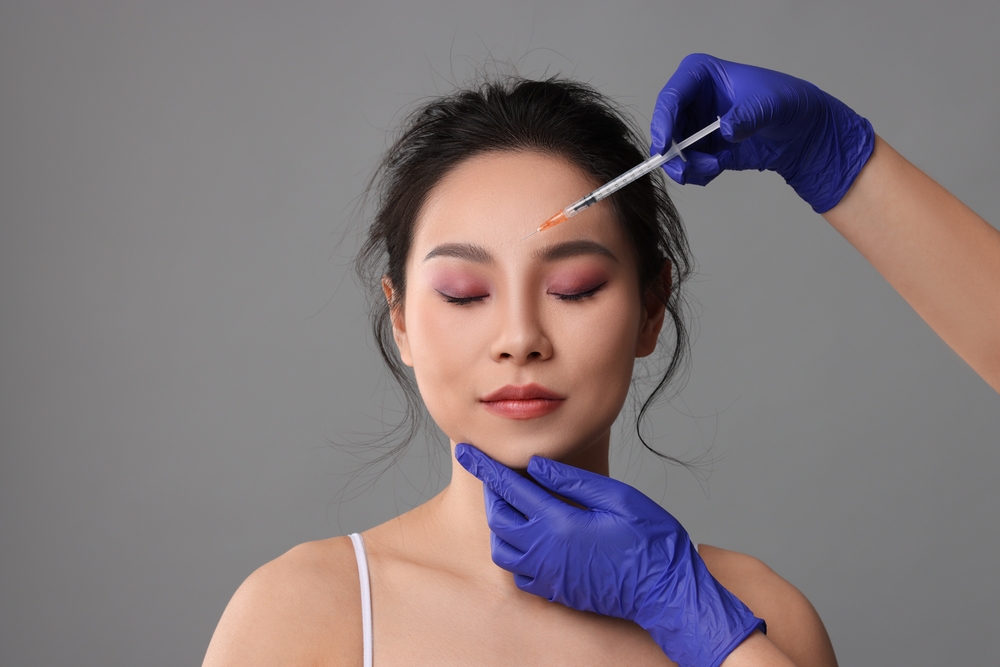
Non-surgical treatments have surged in popularity. In fact, minimally invasive procedures account for 83% of all esthetic treatments performed today. The global market for these procedures reached $8.86 billion in 2024 and may climb to $13.78 billion by 2030.
Of course, some of these procedures are more popular than others. This piece explores how they work and what results you might expect.
Neuromodulators (Botox, Dysport, Xeomin)
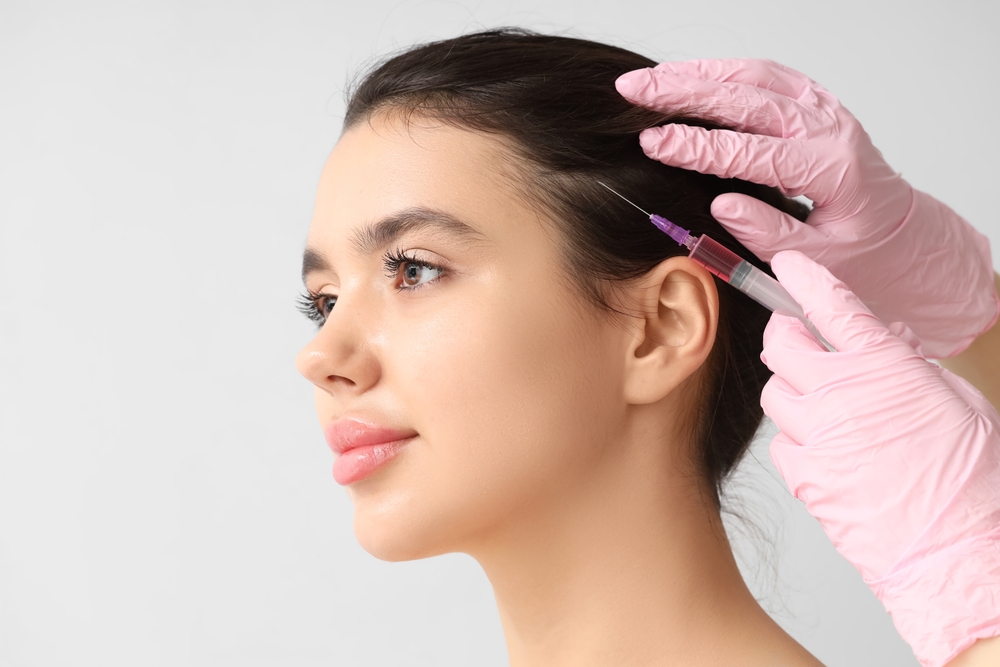
Neuromodulators work by interrupting communication between nerves and facial muscles. These injectable treatments contain botulinum toxin type A, which blocks the release of the chemical messenger that tells muscles to contract. Targeted muscles can no longer receive contraction signals, so they enter a relaxed state, smoothing the overlying skin and reducing the appearance of wrinkles formed by repetitive facial movements.
Why Results Last Three to Four Months
Most patients see results lasting three to four months on average [1]. Your body metabolizes the botulinum toxin through natural processes. This allows nerve signals to return to treated muscles. Several factors influence duration. Higher doses cause longer-lasting effects, as more units provide extended muscle relaxation [1].
Your metabolic rate plays a role as well. Faster metabolisms process the protein more quickly. First-time patients often notice shorter duration at first, but subsequent treatments may last longer as muscles adapt [1]. People with lower body fat may metabolize neuromodulators faster, too, though the products remain effective [1]. Regular treatments can help train facial muscles to reduce wrinkle-forming expressions and potentially extend results over time [1].
Dermal Fillers for Volume Restoration
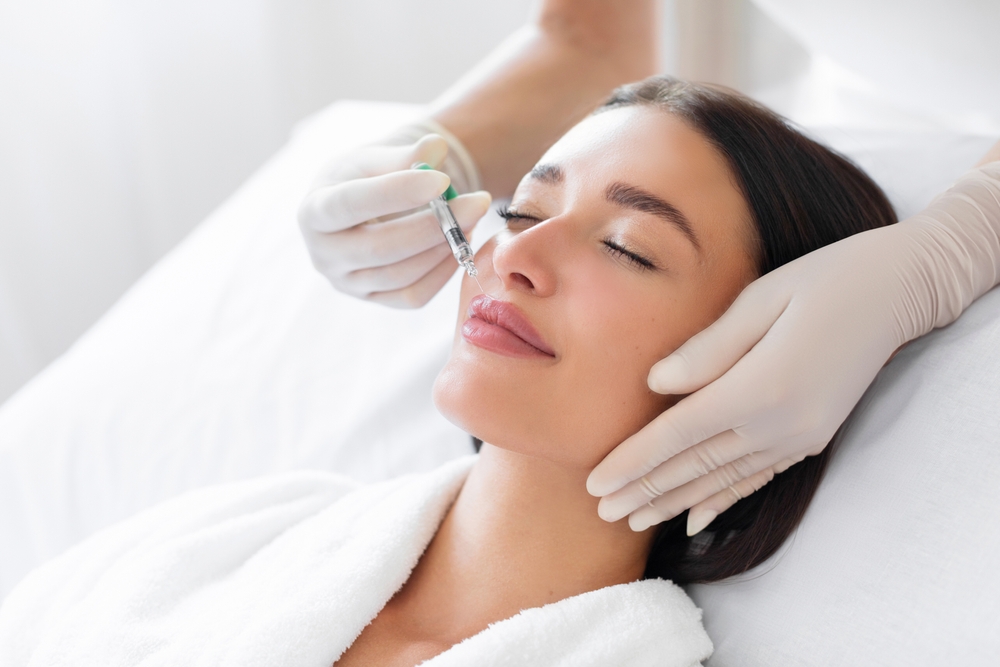
Volume loss in your face occurs naturally as you age. This creates hollow cheeks, thinning lips, and less defined facial contours. Dermal fillers address this by injecting gel-like substances beneath the skin to restore lost volume, smooth lines, and improve facial structure [3].
How Fillers Stimulate Collagen Production
Cross-linked hyaluronic acid injections stimulate new type I collagen production in your skin [6]. Research shows this induction may occur through mechanical stretching; the filler expands the dermis, which stretches and activates collagen-producing fibroblasts [6][6]. Fibroblasts in filler-injected skin show a stretched appearance and increased biosynthetic activity [6].
Expected Longevity: Six Months to Two Years
Filler duration depends on three main factors: product composition, injection location, and your individual metabolism. Hyaluronic acid fillers last 6 to 18 months [3]
[2], though certain formulations designed for specific areas may extend to 24 months [3].
The degree of cross-linking affects the breakdown rate. Fillers with higher cross-linking are denser and resist enzymatic degradation longer, often lasting 12 to 24 months [7]. Injection depth matters—deep placement against bone in stable areas like temples or mid-face cheeks experiences less mechanical stress and lasts 12 to 24 months or more [7]
[2]. Areas with constant movement, such as lips and perioral regions, break down filler faster and last six to nine months [7]
[2].
Your metabolic rate influences how fast your body processes and eliminates material [7]. Active individuals with fast metabolisms may notice shorter duration [7]. Sun exposure, chronic inflammation, stress, and poor nutrition can all affect filler longevity as well [7].
Non-Surgical Skin Tightening Treatments
Skin laxity becomes more noticeable as collagen production in your body declines with age. Non-surgical skin tightening treatments address this problem, using targeted energy to heat deeper tissue layers and stimulate your body to produce fresh collagen and elastin without incisions or extended recovery periods.
Ultherapy and HIFU Technology
Ultherapy stands as the only FDA-cleared non-invasive lifting device that uses micro-focused ultrasound with live imaging [8]. The technology delivers focused ultrasound energy to depths up to 5mm beneath the skin’s surface and heats tissue to temperatures exceeding 60°C [8]. This creates small thermal coagulation points that trigger collagen fiber contraction and stimulate new collagen formation [8].
Radiofrequency Microneedling
Radiofrequency microneedling combines traditional microneedling with RF energy delivery through ultrafine needles. The needles puncture your skin and emit radiofrequency that causes controlled tissue damage, maximizing collagen growth and reorganization [4].
Why Results Improve Over Three to Six Months
Collagen production occurs over time rather than instantly. New collagen takes time to build, so you may need two to six months before you can appreciate your results [10]. Most patients see measurable results appear in the two to six months following treatment [3]
[9], and they last one to two years. However, longevity varies depending on the treated area and your aging process [10]
[11].
Laser and Light-Based Treatments
Laser technology targets specific skin concerns through precise wavelengths of light energy that penetrate different tissue depths. These non-surgical treatments range from gentle surface improvements to intensive resurfacing, and each triggers distinct healing responses in your skin.
Fractional Lasers for Skin Resurfacing
Fractional laser treatment delivers a laser beam divided into thousands of microscopic treatment zones that target a fraction of the skin at a time [6]. This approach bridges the gap between ablative and non-ablative techniques and works at both the epidermal and dermal layers at once [6].
The laser creates narrow columns of thermal energy that sink deep into your skin while surrounding healthy tissue remains intact and unaffected [6]. This fractional approach results in faster healing compared to treating all tissue in the treatment area [6].
Old epidermal pigmented cells are expelled during treatment, and the penetration into the dermis causes collagen remodeling and new collagen formation [6]. You’ll need four to five treatments spaced one month apart [6]. Results develop over time, with optimal improvement visible over a three to four-month period [6].
CO2 Lasers for Deeper Wrinkles and Scars
CO2 laser resurfacing treats deeper wrinkles, sun damage and acne scars [12]. The procedure removes skin layer by layer through vaporization [13]. The treatment creates a second-degree burn that takes ten to fourteen days to heal [14].
LED Light Therapy for Acne and Redness
Red LED light therapy may reduce inflammation and stimulate collagen production [15]. Blue LED light therapy may destroy acne-causing bacteria [15]. Patients who received combined blue and red light therapy experienced a 76% reduction in inflammatory acne lesions and a 60% reduction in non-inflammatory lesions after 12 weeks of treatment [7].
How Laser Treatments Trigger Collagen Production
Laser energy creates controlled thermal stimulation that activates fibroblast cells responsible for producing collagen [2]. Heat denatures existing collagen fibers and causes them to contract [16]. Your body then initiates collagen remodeling and replaces older or damaged fibers with newly formed ones over time [2].
Body Contouring and Fat Reduction
CoolSculpting has become one of the most requested non-surgical treatments for targeted fat reduction. It offers an alternative when diet and exercise fail to address stubborn pockets.
CoolSculpting: How Cryolipolysis Works
The FDA approved CoolSculpting in 2010. It uses cryolipolysis to freeze and eliminate fat cells [8]. The science behind this relies on a key difference: fat cells freeze at higher temperatures than surrounding tissues [8]. A gel pad protects your skin while the targeted area gets vacuumed into an applicator and cooled below body temperature [8]. This cooling numbs the area, so no anesthesia is needed [8]. The cold triggers apoptosis and fat cells crystallize and die [17]. Your lymphatic system then processes and eliminates these dead cells over several weeks to months [8].
Recovery Time and Long-Term Results
No recovery time is needed after treatment [8]. You should start seeing a visible reduction in as little as three weeks. Dramatic improvement appears around two to three months and final results at six months [8]. The fat cells are gone for good once destroyed [8], but remaining cells can expand if you gain weight after that [8].
The Beauty Vault Keeps Up with Non-Surgical Treatment Trends
Today’s non-surgical esthetic treatments offer you multiple pathways to address aging concerns without surgery, but the best choice for you depends on several factors. Luckily, you have the Beauty Vault team in West Hollywood to assess your needs and map out a personalized treatment plan that keeps you up-to-date with the latest technologies and fashions. To get started, call us today at (323) 800-6770 or fill out a contact form.
FAQs
Q1. What is the most requested non-surgical cosmetic treatment today? Neuromodulators like Botox are among the most popular non-surgical treatments, as they effectively address facial wrinkles by temporarily relaxing muscles. Dermal fillers are also highly sought after for restoring volume loss that occurs naturally with aging, particularly in the cheeks, lips, and around the mouth.
Q32. What are the trending non-surgical facial treatments in 2025? The trend in 2025 focuses on customized treatment combinations that address multiple concerns simultaneously. Patients are increasingly choosing stacked approaches that combine injectables with energy-based treatments like radiofrequency microneedling, laser therapy, and ultrasound skin tightening for comprehensive, tailored rejuvenation results.
Q3. How long do results from non-surgical treatments typically last? Results vary by treatment type. Neuromodulators generally last 3-4 months, while dermal fillers can last anywhere from 6 months to 2 years, depending on the product and treatment area. Non-surgical skin tightening treatments show gradual improvement over 3-6 months, with results typically lasting 1-2 years.
Q4. Can younger patients benefit from preventative non-surgical treatments? Yes, patients in their 20s and 30s are increasingly using neuromodulators preventatively to stop wrinkles from forming before they become deeply etched. Starting treatments early can prevent permanent creases, typically requires fewer units, and may reduce the need for more intensive procedures later in life.
References
[1] – https://drarielostad.com/the-best-anti-aging-treatments-for-your-neck-decolletage/
[2] – https://tanjaphillips.com/how-modern-laser-treatments-stimulate-collagen-naturally/
[3] – https://www.thermage.com/
[4] – https://riossurgery.com/blog/coolsculpting-faqs-will-my-results-be-permanent/
[5] – https://www.totalbodyaesthetics.com/blog/sylfirm-x-vs-morpheus-8.html
[6] – https://dermnetnz.org/topics/fractional-laser-treatment
[7] – https://www.schweigerderm.com/medical-dermatology/acne-treatment/blue-light-red-light/
[8] – https://www.barnettdermatology.com/blog/how-long-does-coolsculpting-last
[9] – https://dermcentereastbay.com/services/thermage/
[10] – https://www.theaestheticsociety.org/procedures/skin-hair/skin-tightening/results
[12] – https://www.uofmhealth.org/our-care/specialties-services/co2-laser-resurfacing
[13] – https://my.clevelandclinic.org/health/treatments/11015-laser-skin-resurfacing
[15] – https://my.clevelandclinic.org/health/treatments/22146-led-light-therapy
[16] – https://dermatologyseattle.com/how-lasers-target-skin-layers-and-stimulate-collagen-production/
[18] – https://my.clevelandclinic.org/health/treatments/21060-fat-freezing-cryolipolysis
[19] – https://germaindermatology.com/coolsculpting-top-5-treatment-areas-guide/
[20] – https://diehlplastics.com/the-most-requested-coolsculpting-treatment-areas/
[21] –https://www.plasticsurgery.org/cosmetic-procedures/nonsurgical-fat-reduction/cryolipolysis