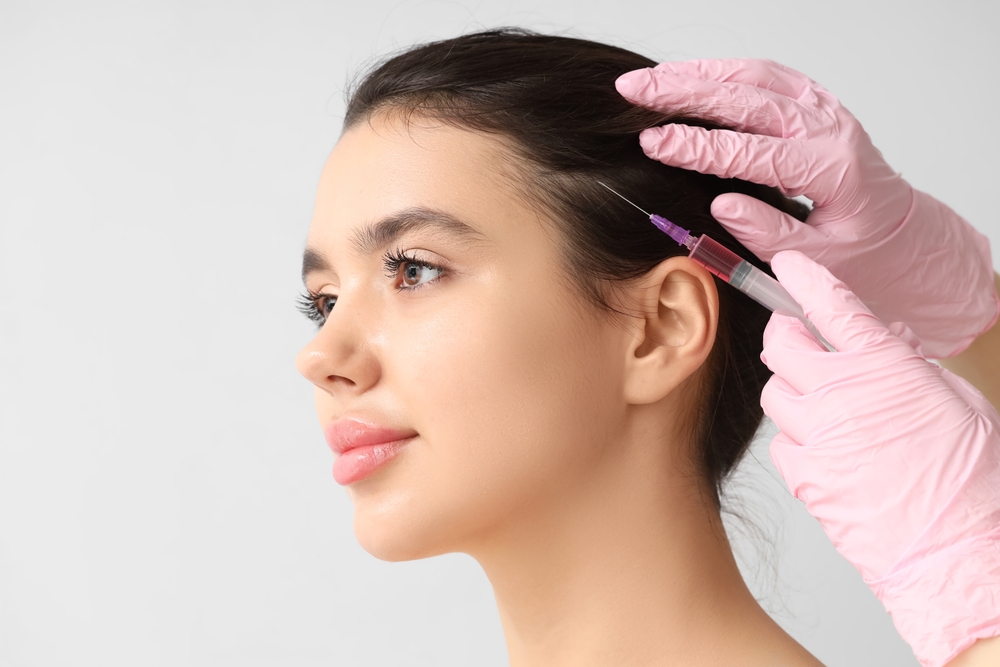
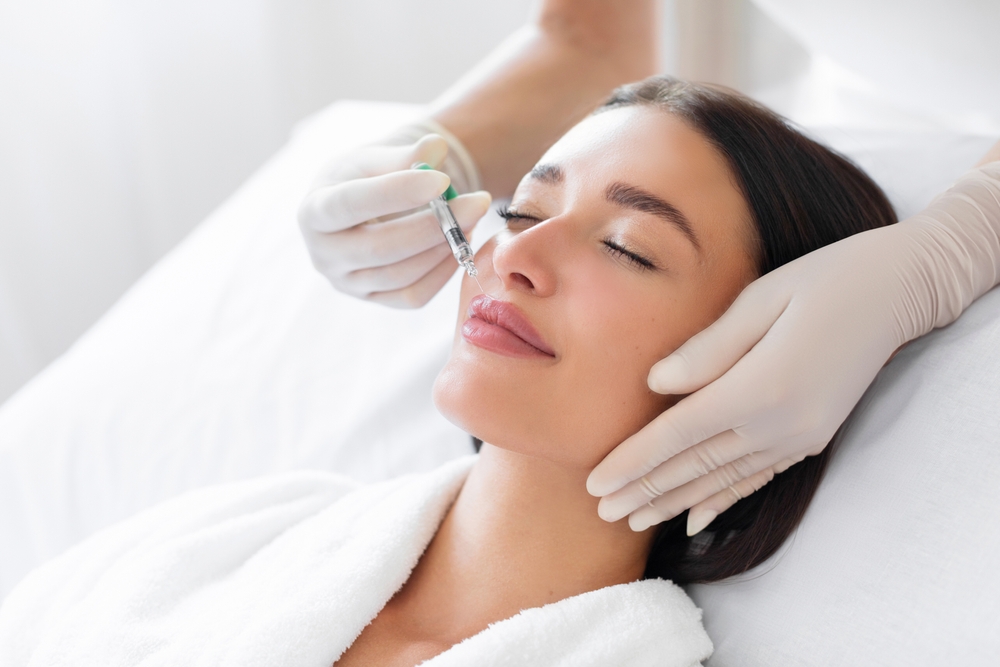
The choice between Botox, Xeomin, and Dysport has been a crucial decision in cosmetic treatments for decades. These three brands have emerged as popular solutions to reduce facial wrinkles and lines over the last several years. Each brand contains botulinum toxin type A, but they differ in their makeup and uses.
You might wonder which botulinum toxin injection would work best for your needs. This article examines the main differences between them to help you and your Beauty Vault provider make the right choice.
Understanding the Key Differences Between Botox, Dysport, and Xeomin
Botox, Dysport, and Xeomin are the three most common neuromodulators. They might look the same at first, but each has unique features that can affect your treatment results. Let’s explore these differences to help you choose the right option.
Botox vs. Xeomin vs. Dysport: What Sets Them Apart?
All of these products use botulinum toxin type A as their active ingredient. They work by temporarily blocking nerve signals to muscles, reducing their movement [1]. Their formulations have some key differences.
For example, they have distinct molecular structures and proteins:
- Botox (OnabotulinumtoxinA) comes with protective proteins around its active ingredient [2]. These proteins can affect how it spreads after injection [3].
- Dysport (AbobotulinumtoxinA) also has protective proteins but with a lower molecular weight [4]. Its protein molecules are smaller than Botox’s [2].
- Xeomin (IncobotulinumtoxinA) stands out as a “naked” injectable with no extra proteins—just the pure neurotoxin [1][2][3]. People with allergies or sensitive skin might benefit from this purer formula [1].
Each product also spreads differently after injection:
- Dysport spreads more than Botox, making it a good choice for larger areas like the forehead [1][3].
- Botox spreads moderately, which helps target specific muscles precisely [3].
- Xeomin spreads much like Botox does [3].
You can expect different timelines for onset and results, too:
- You might see results from Dysport in two to three days [3][3].
- Botox takes four to seven days to start showing [3][3].
- Xeomin shows results within two to seven days [3][3].
- Results from all three products typically last three to four months, though this varies by person [5][3].
How Each Brand Works and Where It’s Used
Each botulinum toxin brand blocks nerve signals to targeted muscles differently. These brands work best in specific treatment areas because of their unique properties. Learning about these practical uses helps you pick the right option that matches your esthetic or therapeutic needs.
Botox: Forehead Lines, Crow’s Feet, and Migraines
Botox tends to stay where it’s injected, which makes it great for treatments that require precision, small facial areas, and other areas where spread isn’t desired. In fact, the cosmetic uses of Botox work well on dynamic wrinkles in the upper face, specifically:
- Forehead lines: Horizontal lines that appear when raising eyebrows.
- Glabellar lines: Vertical “eleven lines” between eyebrows.
- Crow’s feet: Lines radiating from the eye’s corners.
Botox really shines in several therapeutic treatments, too. For example, the FDA approved it for chronic migraine prevention in 2010. This helps patients who have 15 or more headaches per month. Doctors inject Botox at 31 specific points in seven head and neck muscle areas. Many patients see fewer migraines afterward.
Botox also helps with excessive sweating (hyperhidrosis), especially in the underarms, palms, and soles. The injection blocks chemical signals from nerves that activate sweat glands. Results usually last four to six months, making it a great seasonal solution for many patients.
Botox’s Duration
Botox has built its reputation on reliable, predictable results. Most cosmetic treatments with Botox last three to four months before you need a touch-up [10]. Some muscles, such as the masseters, can maintain results for 3 to 6 months after proper treatment [10].
Your Beauty Vault provider may suggest touch-ups at 12 to 14 weeks to keep results consistent [10]. Remember that stronger muscles and high-movement areas might need more frequent treatments.
Dysport: Glabellar Lines and Muscle Spasticity
Dysport works like other neuromodulators but brings its own advantages. It excels at treating moderate to severe glabellar lines. Also, it has smaller protein molecules that spread better through tissue [8]. This wider spread pattern brings several benefits:
- Treatment areas get more even coverage.
- Broad areas like the forehead need fewer injection points.
- Connected muscles look more natural with smoother results [9].
The downside? Dysport might not work best for small areas where you need a precise, limited spread.
Nevertheless, patients often see results from Dysport faster than other options. Most notice changes within 24 to 48 hours after treatment, instead of waiting three to five days with other neuromodulators. This quick action makes it popular with people who want fast results for upcoming events.
Xeomin: Frown Lines and Drooling (Sialorrhea)
Xeomin’s special feature is its “naked” formulation; it’s just pure neurotoxin without extra proteins. This purity might reduce the chance of triggering allergic reactions or developing antibodies that could make treatments less effective over time.
Xeomin works great for stubborn glabellar lines and now helps treat chronic sialorrhea (excessive drooling) as well. This condition affects about 600,000 adults in the United States, mostly those with neurological disorders like Parkinson’s disease, amyotrophic lateral sclerosis, or cerebral palsy. The treatment works by blocking nerves that trigger saliva production in specific glands. Most patients see less drooling for three to four months after each treatment.
Xeomin typically lasts three to four months, but as with the other brands, factors like muscle strength, metabolism, and treatment area affect how long it works [14].
Factors to Consider When Deciding What’s Right for You
Choosing the right botulinum toxin product needs careful evaluation of several personal factors beyond their technical differences.
Medical History and Contraindications
Your health conditions should guide your botulinum toxin selection. To name just one example, patients with neuromuscular disorders or certain autoimmune conditions need additional evaluation before treatment. On top of that, blood thinners or supplements might interact differently with various formulations. Patients who have developed resistance to one product might benefit from switching to Xeomin, which lacks complexing proteins that can trigger antibody formation.
Patient Preference and Lifestyle Considerations
Your specific treatment goals help determine which product might work best for you. Here are the key factors to think over:
- Your need for quick results (Dysport often works faster).
- Your preference for treatment frequency.
- Your past experiences with any botulinum toxin products.
- Your comfort level with newer versus established products.
You’ll Find Botox, Xeomin, and Dysport at the Beauty Vault
The choice between Botox, Dysport, and Xeomin comes down to what you need and want to achieve. At the same time, these options aren’t competing choices; they’re tools that complement each other in your esthetic experience. No matter what you pick, these innovative treatments help address facial lines while keeping your natural expressions intact. The Beauty Vault team in West Hollywood can assist you in creating a customized treatment plan with any or all of them. To make an appointment, call us now at (323) 800-6770 or fill out a contact form.
FAQs
Q1. How do Botox, Dysport, and Xeomin differ in their onset and duration? Dysport typically shows results in two to three days, Botox in four to seven days, and Xeomin in two to seven days. All three generally last about three to four months, although individual results may vary.
Q2. Can I switch between different botulinum toxin brands? Yes, switching between brands is possible. However, always consult with your Beauty Vault provider before doing so.
Q3. Which product is best for treating forehead lines? Botox is FDA-approved for treating forehead lines, crow’s feet, and glabellar lines. However, Dysport’s wider diffusion may make it suitable for larger areas like the forehead. The best choice depends on your individual needs and your provider’s recommendation.
Q4. Are there any advantages to Xeomin’s “naked” formulation? Xeomin’s pure formulation, without complexing proteins, may reduce the risk of developing antibodies that could lead to treatment resistance over time. It also doesn’t require refrigeration before use, which can be convenient for some clinics.
References
[1] – https://aadermatology.com/comparing-botox-dysport-and-xeomin/
[2] – https://www.bloomplasticsurgery.com/botox-vs-dysport-vs-xeomin/
[3] – https://embracederm.com/blog/botox-vs-dysport-vs-xeomin-which-wrinkle-treatment-is-right-for-you/
[5] – https://www.medicadepot.com/blog/off-label-use-of-neurotoxins-where-do-we-stand-in-2025.html
[6] – https://www.specialistsinplasticsurgery.com/blog/botox-vs-xeomin-vs-dysport/
[8] – https://aestheticlane.com/how-long-does-dysport-take-to-work-results-timeline-explained/
[10] – https://tatoyanmdmedspa.com/blog/how-long-does-botox-last/
[11] – https://rawbeautyaesthetics.com/education/can-i-use-xeomin-for-botox-resistance/
[12] – https://pmc.ncbi.nlm.nih.gov/articles/PMC3116796/
[13] – https://stay-sculpted.com/xeomin-the-latest-advancement-in-neurotoxin-treatments/
[14] – https://boiseimage.com/2024/11/xeomin-vs-botox-whats-the-difference-and-how-do-they-work/
[15] – https://www.drugs.com/medical-answers/xeomin-botox-how-compare-3579643/
[16] – https://spablack.com/xeomin-dosing-compared-to-botox/
[17] – https://pmc.ncbi.nlm.nih.gov/articles/PMC4810210/
[18] – https://advanceddermchi.com/blogs/difference-between-botox-and-dysport