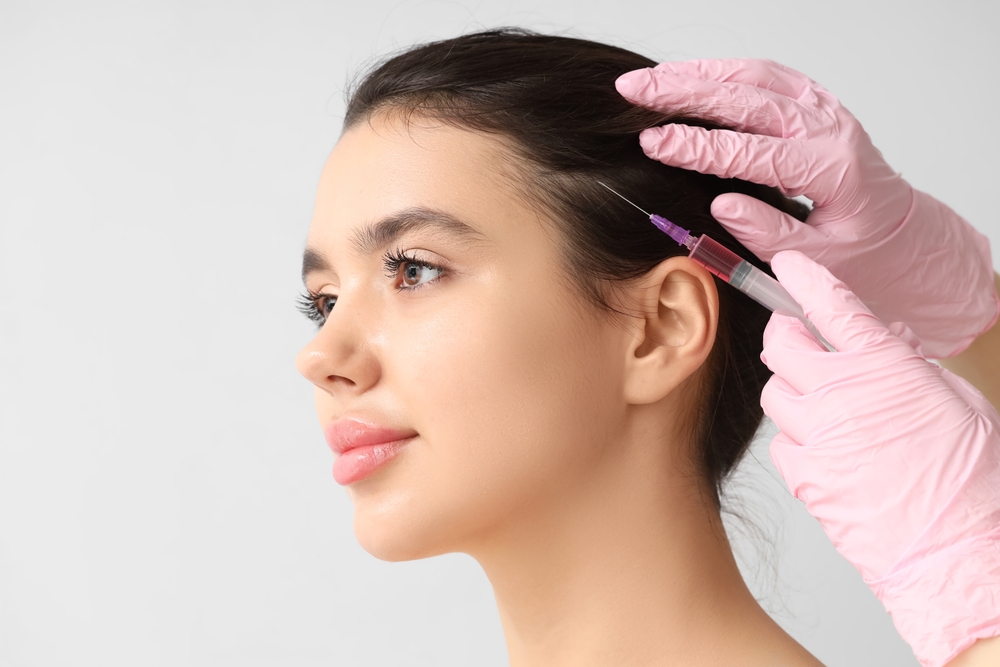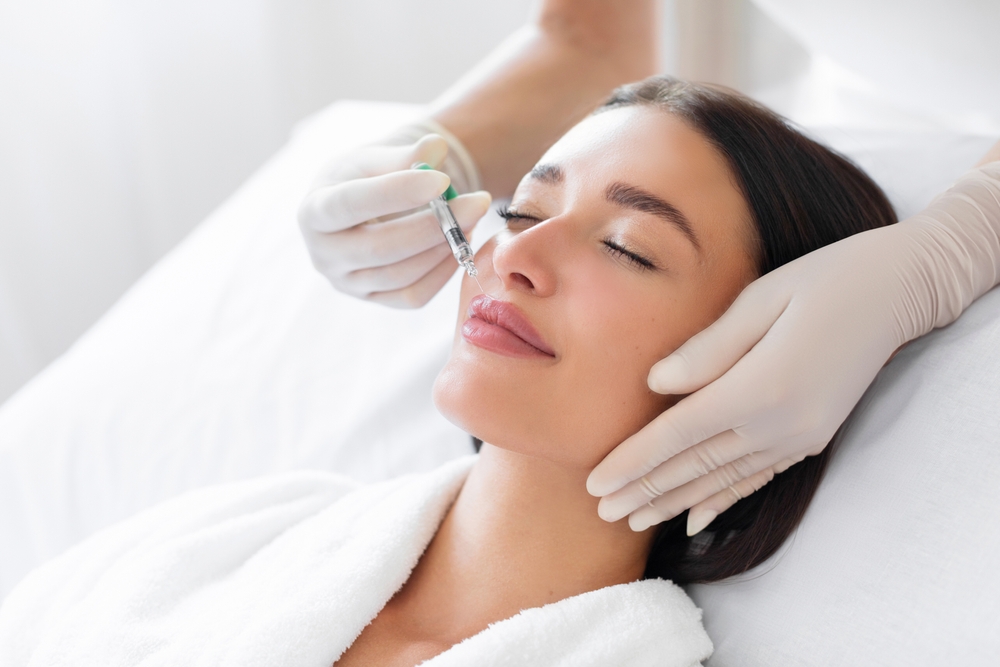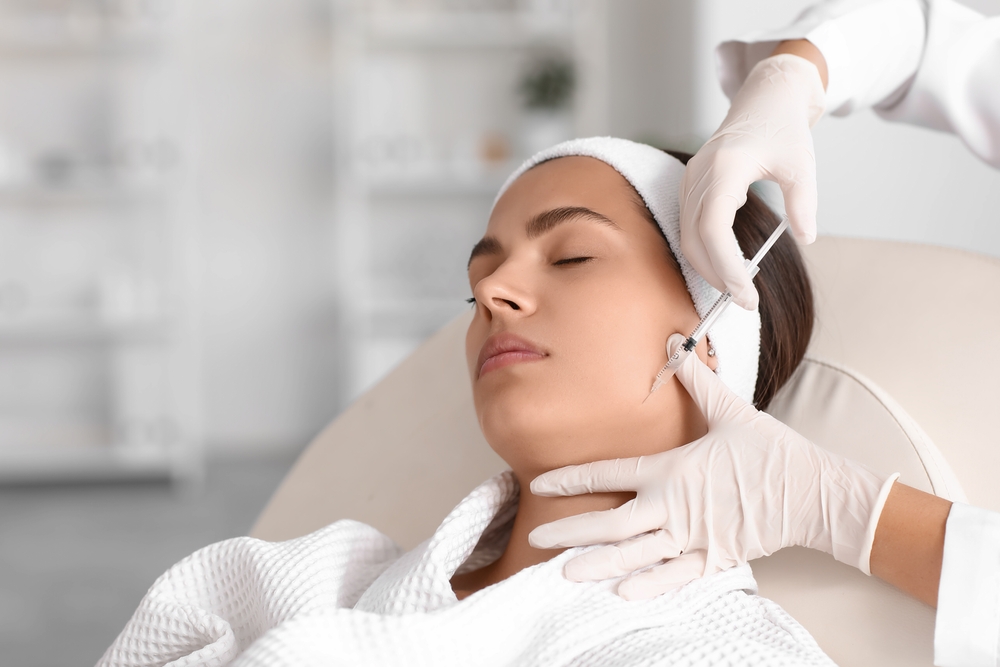
Skincare injections have surged in popularity, with Americans spending nearly half a billion dollars annually on neuromodulators and hyaluronic acid injectables. These facial injections can smooth wrinkles and restore volume. Their effects last only a few months, but you can enhance your results by pairing treatments with medical-grade skincare products like SkinMedica and iS Clinical.
The Two Pathways to Youthful Skin
Your approach to youthful skin depends on whether you want immediate visible changes or gradual, sustained improvements. Professional treatments work differently from daily skincare routines. Understanding each pathway helps you make informed decisions about your anti-aging strategy.
Injectable Procedures: Quick Visible Changes
Professional treatments target the deeper layers of your skin and deliver visible results in a shorter time [1]. Facial injections can smooth forehead lines, minimize wrinkles between the eyebrows, and address dynamic wrinkles caused by facial expressions [1]. But once wrinkles become static or etched deep into your skin, you may need dermal fillers to fill them in [1].
Dermal fillers work by adding volume beneath the skin’s surface. These gel-like substances can fill deep lines and folds, enhance cheekbones and lips, and rejuvenate hollow areas, such as under the eyes [1]. Nanofat injections may help improve the look of fine wrinkles around the eye, under-eye hollows, and sunken eyes [1].
The appeal of skincare injections lies in their speed. You walk into a Beauty Vault and walk out with noticeable changes. These treatments have limitations, though. Injectables cannot correct a droopy brow. Some injectables work best for dynamic wrinkles rather than deep etched lines [1]. And facial injections require periodic touch-ups to maintain results [1].
Medical-Grade Skincare: Foundation for Skin Health
Medical-grade skincare operates on a different principle. These products contain higher concentrations of active ingredients, with FDA regulations requiring 99.9% pure active ingredients [1] [2].
The potency of medical-grade products allows them to penetrate deep within the dermis and facilitate actual changes to the skin [1]. Products like SkinMedica and iS Clinical are formulated to reach the hypodermis, the deepest level of the skin. This helps stimulate collagen and elastin production and reduce fine lines, wrinkles, acne scars, and brown spots [3]. This deeper penetration addresses skin issues at their source and leads to more effective and longer-lasting results [2].
Medical-grade skincare requires commitment. Skin health is a long-term process, like diet and exercise [4]. Medical-grade regimens can correct issues like acne or pigmentation, but stopping use may allow these concerns to return over time [4]. Daily skincare represents the most powerful tool for keeping your skin healthy, preventing future damage, and maintaining long-term results [4].
These products also boost and prolong the results of treatments like microneedling, chemical peels, and facial injections [4]. Many clients start medical-grade skincare before a procedure to prep the skin and continue using it afterward for optimal healing and long-term improvement [4]. These products address the root cause of skin issues more effectively and can prevent the need for more invasive procedures down the line [2].
What Injectable Procedures Can Do
Targeting Specific Signs of Aging
Neurotoxins and dermal fillers address different aging concerns. Botulinum toxin injections relax facial muscles by blocking nerve impulses [1], which smooths dynamic wrinkles that form from repeated expressions. These treatments work best on fine lines caused by facial movements [5].
Dermal fillers operate differently. They plump up wrinkles and restore volume by injecting gel-like substances beneath your skin [1]. Hyaluronic acid fillers like Juvederm and Restylane last between six and 18 months [6]. Calcium hydroxylapatite fillers may last up to three years for filling wrinkles and about one year for contouring [1]. Poly-L-lactic acid fillers require multiple treatment sessions and can last over two years by promoting collagen growth [6].
Areas That Respond Well to Facial Injections
Facial injections deliver especially effective results in specific zones. Neurotoxins treat forehead lines, crow’s feet near the eyes, and frown lines between the eyebrows [7]. Most patients see some softening of fine lines after two to four days, with maximum results appearing within two weeks post-treatment [7].
Dermal fillers address volume loss and static wrinkles in multiple areas. They can add volume to sagging skin, make facial features more symmetrical, plump up lips and cheeks, and smooth wrinkles [1]. Sunken under-eye areas respond well to placed fillers, which restore volume and make dark circles appear less prominent [1]. Fillers also soften nasolabial folds (lines running from the nose to the corners of the mouth) and marionette lines extending toward the chin [1]. Your cheeks, temples, jawline, and chin can all benefit from facial injection treatments [1].
Medical-Grade Skincare: Beyond Over-the-Counter Options
Product formulation standards create the main difference between medical-grade skincare and over-the-counter options. Medical-grade products must contain ingredients that are 99% pure [1], while drugstore alternatives face no such requirement and may include fillers. This purity standard matters because pharmaceutical-grade formulations deliver active ingredients to the dermis, where collagen-producing cells reside, rather than leaving them on the outermost epidermal layer [1].
What Separates Medical Grade from Drugstore Products
Medical-grade skincare undergoes rigorous clinical testing for efficacy and safety, ensuring measurable improvements [1]. Over-the-counter products do not need clinical studies or research to back their claims [1]. The concentration differences prove substantial. Hydroquinone for lightening hyperpigmentation reaches up to 5% in medical-grade formulations, while the FDA limits cap over-the-counter concentrations at 2% [1]. Retinol creams from medical-grade lines offer 1% formulations. Prominent over-the-counter options contain 0.6% retinol [1].
Building Your Medical-Grade Skincare Routine
A consultation with a practitioner at Beauty Vault helps you establish a sequenced regimen that coordinates products with your skin goals. Different medical-grade products focus on different ingredients. You should alternate retinoids and alpha-hydroxy acids on different nights to avoid over-exfoliation. Vitamin C and niacinamide layer together in the morning for complementary benefits [12]. Professional guidance proves especially important because higher concentrations may not suit all skin types [13].
Achieving Lasting Results Through Strategic Combination
How Medical-Grade Products Improve Facial Injection Results
Medical-grade products from lines like SkinMedica and iS Clinical work cooperatively with facial injections. They address what injectables cannot fix. Facial injections relax muscles and restore volume. Medical-grade skincare improves texture, tone, elasticity, and overall skin health [1]. You treat both the muscle and the skin at the same time when you combine neurotoxins with powerful ingredients like retinol, growth factors, and antioxidants [1]. This dual approach delivers an appearance that looks refreshed and radiant rather than frozen [1].
You can optimize the outcome if you prepare your skin with medical-grade products before a skincare injection [6]. Skin that is well-hydrated and well-nourished responds better to treatments and ensures smoother results [6]. Post-treatment care proves just as important. Medical-grade formulations can reduce post-injection inflammation and promote healing while maintaining skin health [6].
Protect Your Investment with Proper Skincare
Healthier skin helps Botox last longer. The skin becomes firmer and better supported, collagen production increases, and hydrated skin shows fewer fine creases [1]. So patients may go longer between treatments and need fewer units over time [1]. Medical-grade skincare also addresses non-movement wrinkles that facial injections cannot treat, such as wrinkles caused by sun damage or rough texture [1].
Create a Long-Term Anti-Aging Strategy
The desired anti-aging effect is a continuous process that combines various methods of skin rejuvenation [18]. Consistent use of medical-grade products helps sustain the youthful results achieved through skincare injections and ensures your skin remains radiant and healthy [6].
The dual strategy of injectables and medical-grade skincare can help you achieve results that last longer and look more natural. Your medical-grade skincare routine protects your investment in facial injections and addresses concerns that injectables cannot fix. A consultation with a practitioner at Beauty Vault in West Hollywood can help you determine which combination of treatments and products may suit your specific skin concerns and esthetic goals. Call us today at (323) 800-6770 or fill out a contact form to schedule an appointment.
FAQs
Q1. Are medical-grade skincare products worth the investment? Medical-grade skincare products contain 99% pure active ingredients and undergo rigorous clinical testing for efficacy and safety. They penetrate deeper into the skin layers due to their smaller molecular structure and higher concentrations of active ingredients compared to over-the-counter options. These formulations can address concerns like fine lines, wrinkles, hyperpigmentation, and acne at the cellular level, providing more effective and longer-lasting results.
Q2. How do injectable procedures differ from daily skincare routines? Injectable procedures like neurotoxins and dermal fillers provide quick, visible results by targeting deeper skin layers, relaxing muscles, and restoring volume. However, their effects are temporary, typically lasting three to four months for neurotoxins and six to 18 months for fillers. Daily medical-grade skincare works gradually to improve skin health at the cellular level, addressing texture, tone, pigmentation, and elasticity that injectables cannot fix.
Q3. Can facial injections replace a good skincare routine? No, facial injections cannot replace skincare because they serve different purposes. Injectables address muscle movement and volume loss but cannot improve skin quality, texture, pigmentation, or hydration. They also don’t stimulate collagen production or protect against sun damage. A comprehensive approach combining both injectables and medical-grade skincare delivers more complete and longer-lasting results.
Q4. How does medical-grade skincare extend the results of injectable treatments? Medical-grade skincare enhances and prolongs injectable results by improving overall skin health, texture, and elasticity. Well-nourished, hydrated skin responds better to treatments and helps neurotoxins last longer because firmer, better-supported skin with increased collagen production shows fewer fine creases. This means patients may go longer between treatments and potentially need fewer units over time.
References
[3] – https://www.drclevens.com/blog/a-comparison-medical-grade-vs-over-the-counter-skincare-products/
[4] – https://allureaestheticsllc.com/non-surgical-cosmetic-treatments/medical-grade-skincare/
[6] – https://facialesthetics.org/the-perfect-pairing-medical-grade-skincare-and-cosmetic-injections/
[7] – https://piedmonthealthcare.com/managing-the-signs-of-aging-with-botox/
[9] – https://www.fda.gov/consumers/consumer-updates/dermal-filler-dos-and-donts-wrinkles-lips-and-more
[10] – https://ethosmedicalspa.com/everything-you-want-to-know-about-the-is-clinical-skincare-line/
[12] – https://labelleviemed.com/how-to-build-a-medical-grade-skincare-routine-system-that-actually-works/
[15] – https://www.kansashealthsystem.com/care/treatments/esthetic-services/medical-grade-skin-care
[17] – https://www.davidfuntmd.com/anti-aging-when-is-the-right-time-to-start-injectables-and-fillers/