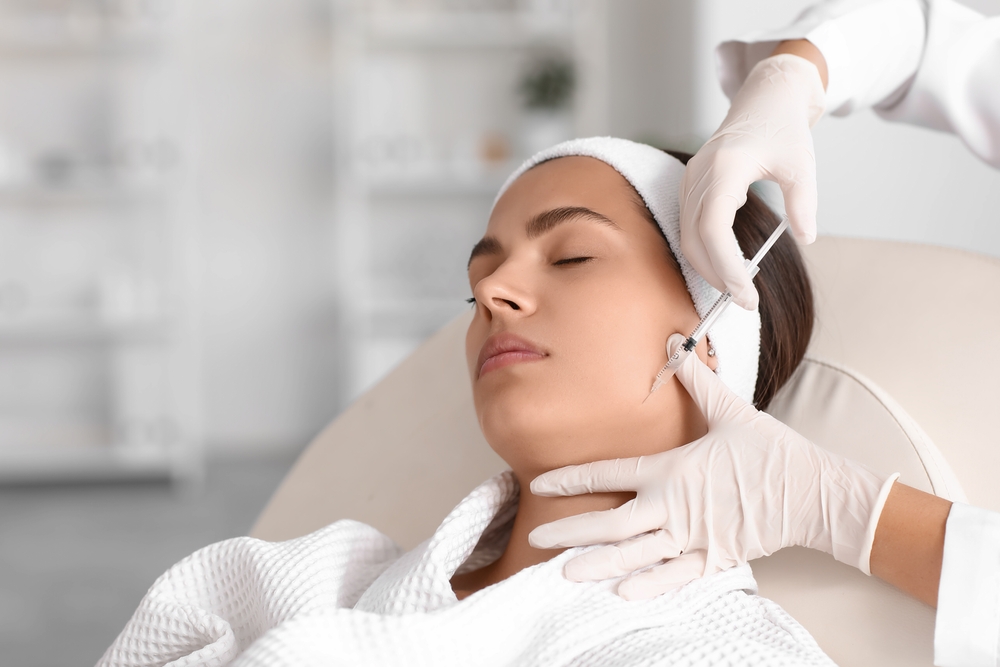
Juvederm and Restylane dominate the esthetic treatment landscape, making up 83% of all procedures in the United States. They share common ground as hyaluronic acid-based fillers that don’t need surgery, but they have distinct characteristics that might suit your needs differently.
You’ll find the core differences between Juvederm and Restylane in this piece, along with how they work and which areas they treat best, so that you can talk more confidently with your doctor during consultation.
Juvederm and Restylane: What They Are and How They Work
Juvederm and Restylane are leading non-surgical facial enhancement options that help people look younger without surgery. These products have many similarities but differ in ways that make each one better suited for specific esthetic goals.
Hyaluronic Acid-Based Dermal Fillers
Hyaluronic acid (HA) is the foundation of both Juvederm and Restylane fillers. Your body naturally produces this substance, which is abundant in skin tissues [1]. HA has an amazing quality—it can hold up to 1,000 times its weight in water [2]. This remarkable feature allows these fillers to:
- Add visible volume to depleted areas.
- Plump and hydrate the skin.
- Smooth wrinkles and lines.
- Create natural-looking enhancements.
Your body’s HA production helps these fillers merge well with existing tissues. The natural origin of HA in both products reduces the risk of allergic reactions substantially [2]. These fillers can be dissolved with a special solution if needed [1]. This reversibility gives peace of mind to first-time patients who worry about permanent changes.
Non-Surgical, Outpatient Procedures
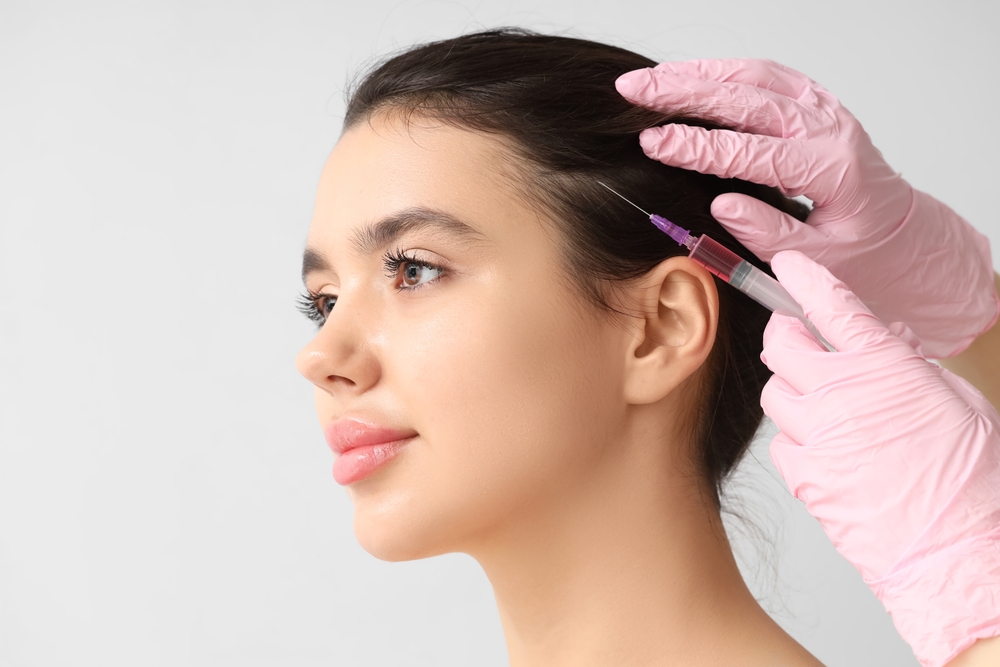
Juvederm and Restylane are popular because they don’t require surgery. Quick injections with ultra-fine needles replace surgical incisions and long recovery times [2]. Doctors perform these treatments in their offices instead of surgical facilities [3].
Most treatments take less than an hour [4]. This makes them perfect “lunchtime procedures” if you have a busy schedule.
Difference Between Juvederm and Restylane in Texture and Spread
The biggest difference between these prominent fillers lies in their texture and behavior after injection.
Juvederm:
- Has a smooth, gel-like consistency [2].
- Uses Vycross technology for longer-lasting results [2].
- Spreads evenly beneath the skin after injection [2].
- Works well on fine lines where skin is tight [2].
- Blends naturally with surrounding tissues [2].
Restylane:
- Has a more granular, cohesive texture [2].
- Stays better positioned at the injection site [2].
- Offers better moldability to create defined shapes [2].
- Gives excellent structural support [2].
- Works best for adding targeted volume to specific areas [2].
These texture differences create unique advantages based on your treatment goals. Juvederm’s smooth consistency might work better for fine wrinkles in delicate areas. Restylane’s staying power could give better results if you need precise volumizing or contoured definition.
Your unique facial anatomy and esthetic goals determine which option works best. A good provider will review these factors to recommend the right filler for your needs.
Treatment Area Breakdown: Lips, Cheeks, and Under Eyes
Your choice between injectable fillers depends on how each product works in specific facial areas. Juvederm and Restylane have unique properties that make them suitable for different treatment zones.
Juvederm vs Restylane for Lips: Volume vs. Definition
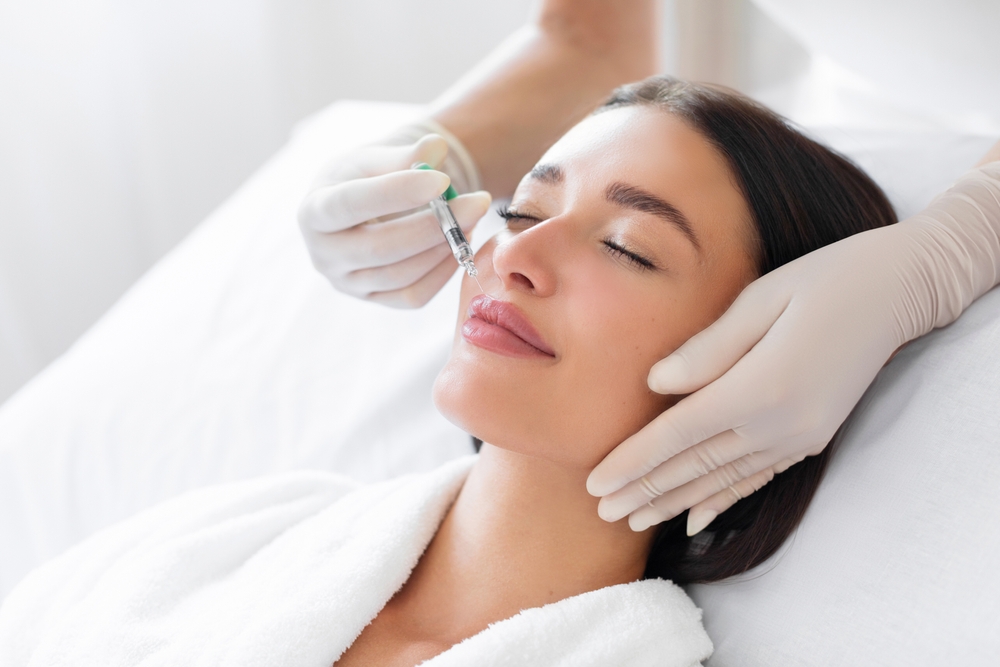
Your desired outcome determines which filler works best for lip enhancement. Juvederm creates fuller, more voluminous lips because its smooth gel consistency spreads evenly after injection. Juvederm Ultra XC works well to create a soft, plump appearance [7]. People who want noticeable volume can benefit from its thicker formulation [7].
Restylane shines in precision and definition. Its refined consistency lets practitioners shape and define the lip border with more detail while ensuring they look natural [7]. The product stays where it’s injected, making it a great choice to fix asymmetry or add structure to thin lips [7].
Juvederm vs. Restylane for Cheeks: Contouring and Lift
Both fillers give different results for cheek enhancement. Juvederm’s smooth, malleable texture blends into cheek tissue and provides softer, diffused volume [6]. This quality helps restore lost volume in the mid-face region to create youthful fullness [6].
Restylane products like Restylane Lyft excel at lifting the cheeks [6]. The product stays exactly where injected because of its cohesive composition. This makes it perfect to add structural support and create defined contours [6]. Restylane Contour defines the cheeks and moves naturally with facial expressions [6].
Juvederm vs. Restylane For Under the Eyes: Smoothness and Safety
The under-eye area needs special attention. Juvederm Volbella might work well in this sensitive zone because of its smooth texture [8]. It blends with surrounding tissues to create a smooth transition between the lower eyelid and cheek [2].
However, most practitioners prefer Restylane for under-eye treatments [2]. The granular consistency keeps it from spreading beyond the intended area, which is vital for the thin skin beneath the eyes [2]. Restylane also causes less swelling after injection, which leads to more predictable results [2].
Experienced professionals can use both fillers to effectively treat different facial regions. Your Beauty Vault provider will review your facial structure and esthetic goals along with each filler’s specific properties to recommend the best option for you.
Side Effects, Risks, and Recovery Time
A clear understanding of side effects and recovery expectations is vital before getting dermal filler treatment. Juvederm and Restylane have proven safety records over many years. However, you should know about possible reactions and proper aftercare.
Minor Side effects: Redness, Swelling, Bruising
Your body will show mild reactions after Juvederm or Restylane injections that go away quickly. Here’s what you might experience:
- Swelling and redness where needles went in (clears up in one to three days) [7].
- Bruising (fades in 7 to 10 days) [7].
- Tender or sore treated areas [9].
- Itching or mild discomfort [10].
- Temporary firmness or lumps [10].
These signs show your body’s natural response to the injection, not issues with the filler itself. Clinical studies show that 85% to 99% of patients had mild reactions that cleared up within 15 days [11].
Rare Risks: Necrosis, Allergic reactions, scarring
More serious complications can happen, though they’re rare. The biggest risk comes from accidental injection into blood vessels. This could lead to tissue death (necrosis), stroke, or blindness [12].
Watch for these warning signs and get medical help right away:
- Pain that feels worse than normal tenderness [6].
- Skin turning pale in or around treated spots [6].
- Purple marks near injection sites [6].
- Symptoms getting worse instead of better [7].
You might also face rare issues like allergic reactions, infections, or scars [13]. Studies show serious reactions happen to only one in two thousand patients [11].
Recovery Tips: Avoid Sun, Alcohol, and Exercise Post-Treatment
These guidelines will help you heal more effectively and achieve the best results.
First 24 to 48 hours: Put ice packs on treated areas as your provider suggests to cut down swelling and bruising [14]. Skip hard workouts during this time since increased blood flow might make swelling or bruising worse [7].
First week: Stay away from things that thin your blood, such as alcohol, aspirin, ibuprofen, and supplements like vitamin E or ginkgo biloba [14]. Keep away from very hot or cold places like saunas, hot tubs, or freezing temperatures [7].
Ongoing care: Drink plenty of water to help healing [6] and shield treated areas from sun damage with SPF 30+ sunscreen [14].
Most people can go back to their regular routine right after treatment [9]. However, you might want to take it easy based on how you feel [7].
The Beauty Vault Knows Whether You Need Juvederm or Restalyne
Although both Juvederm and Restalyne tackle volume less and aging through their hyaluronic acid formulations, these fillers work differently under your skin. Your specific esthetic goals and facial anatomy will determine which one is right for you.
The first thing you should do is come to the Beauty Vault in West Hollywood. Our knowledgeable and passionate team will guide you in choosing the right filler for your facial structure and goals to ensure natural-looking results that complement your features. Get started now by calling us at (323) 800-6770 or filling out a contact form.
FAQs
Q1. Which dermal filler is better for adding volume and fullness to the lips? Juvederm Ultra XC is generally considered better for achieving fuller, more voluminous lips due to its thicker consistency and ability to provide significant enhancement. Restylane Silk, on the other hand, is better suited for subtle lip augmentation and defining the lip borders.
Q2. How do Juvederm and Restylane differ in their effectiveness for cheek enhancement? Juvederm’s smooth, malleable texture integrates seamlessly into cheek tissues, providing a softer, more diffused volume ideal for restoring lost mid-face fullness. In contrast, Restylane products like Lyft and Contour offer superior lifting and contouring capabilities due to their cohesive nature, making them better for creating defined cheekbone structure.
Q3. Which filler is typically recommended for treating under-eye hollows? Many practitioners prefer using Restylane formulations like Restylane Silk for under-eye treatments. The granular consistency of Restylane helps it stay in place better in the delicate under-eye area, reducing the risk of unwanted spread or migration compared to smoother fillers like Juvederm Volbella.
Q4. How long do the results of Juvederm and Restylane treatments typically last? Juvederm products generally provide longer-lasting results, with some formulations maintaining visible effects for up to two years. Restylane treatments tend to have a slightly shorter duration, typically lasting between six to nine months, although results can vary based on the specific formula and treatment area.
Q5. What are some potential side effects to expect after receiving dermal filler injections? Common side effects after Juvederm or Restylane injections include swelling, redness, bruising, tenderness, and temporary firmness or lumpiness at the injection sites. These effects are usually mild and resolve within a few days to a week. Rare but more serious risks like vascular occlusion, allergic reactions, or scarring can occur, but the chances are extremely low when treated by qualified professionals.
References
[1] – https://www.health.harvard.edu/blog/dermal-fillers-the-good-the-bad-and-the-dangerous-201907152561
[2] – https://www.healthline.com/health/juvederm-cost
[3] – https://www.hopkinsmedicine.org/health/treatment-tests-and-therapies/dermal-fillers
[4] – https://www.mayoclinic.org/tests-procedures/facial-fillers/about/pac-20394072
[5] – https://www.asds.net/skin-experts/skin-treatments/injectables/injectable-hyaluronic-acid
[6] – https://health.clevelandclinic.org/lip-filler-aftercare
[7] – https://dermsurgery.net/juvederm-aftercare-tips-dos-donts-for-best-results-and-faster-recovery/
[8] – https://www.dermatouchrn.com/how-much-is-a-syringe-of-juvederm/
[9] – https://www.plasticsurgery.org/cosmetic-procedures/dermal-fillers/recovery
[10] – https://pmc.ncbi.nlm.nih.gov/articles/PMC10226824/
[11] – https://www.shorthillsderm.com/blog/skin-care/what-are-the-side-effects-of-restylane/
[12] – https://www.fda.gov/consumers/consumer-updates/dermal-filler-dos-and-donts-wrinkles-lips-and-more
[13] – https://www.plasticsurgery.org/cosmetic-procedures/dermal-fillers/safety
[15] – https://www.kraussdermatology.com/blog/how-much-does-restylane-cost/
[16] – https://www.trulyliftedmedspa.com/how-long-do-dermal-fillers-last-key-factors-maintenance-tips