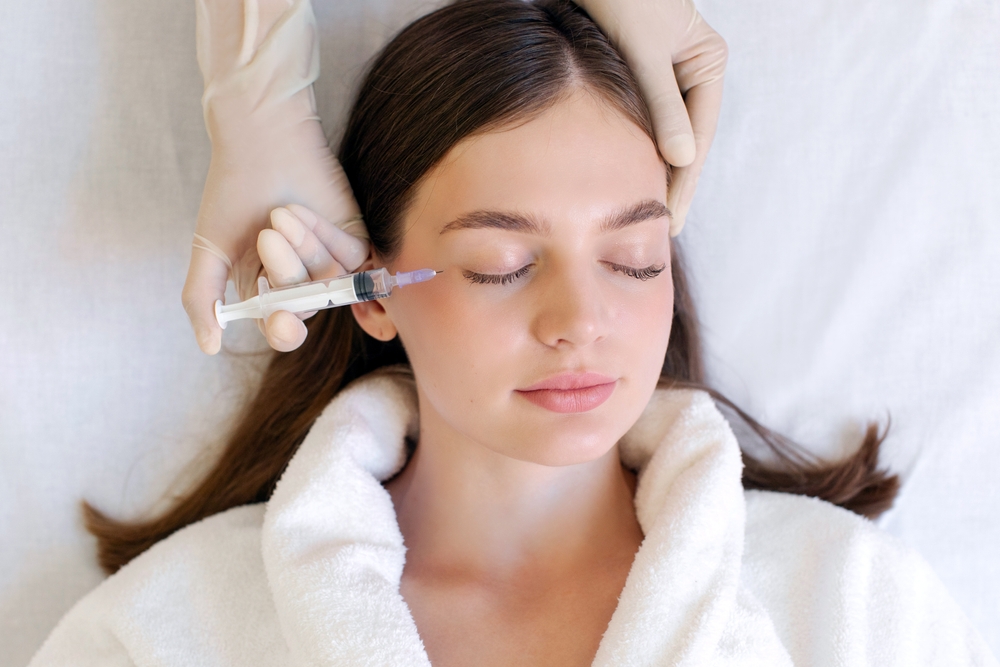
Tiny cellular messengers called exosomes could revolutionize regenerative medicine and medical spa therapies. These tiny vesicles act as powerful communicators that transfer vital biological information between your body’s cells. This piece reveals how they function and why they could help you live your best life.
What Are Exosomes and Where Do They Come From?
Exosomes are fascinating extracellular vesicles (EVs) that act as vital messengers in cell-to-cell communication throughout your body. Their role in regenerative medicine applications makes it essential to get into their simple characteristics and origins.
Definition and Size Range of Exosomes
Exosomes are small membrane-bound vesicles with unique size and structure. These nano-sized particles measure between 30 and 150 nanometers in diameter, though some researchers define them as 30 to 100 nanometers. Their small size makes them the smallest category among extracellular vesicles. They also have a distinctive lipid bilayer structure that protects their integrity and lets them transport various molecular cargoes.
Cell Types Known to Release Exosomes
Your body’s cells can produce and release exosomes. This ability exists in organisms from bacteria to humans. Scientists have documented exosome release in many cell types, including immune cells, platelets, fibroblasts, mesenchymal stem cells, cancer cells, epithelial cells, endothelial cells, and neurons. Each cell type creates exosomes with unique compositions that match their cellular origin.
These particles appear in body fluids of all types, including blood, plasma, urine, saliva, breast milk, cerebrospinal fluid, amniotic fluid, synovial fluid, tears, lymph, bile, and gastric acid. This presence everywhere shows its significant role in intercellular communication in both healthy and diseased states.
How Exosomes Are Formed Inside Cells
The transition from cellular material to functional exosomes involves a complex multi-step process that occurs deep within your cells.
Double Membrane Invagination and ILV Formation
Exosome formation starts with a remarkable double invagination process of the cell membrane. The plasma membrane folds inward and creates a cup-like structure that captures cell surface proteins and components from outside the cell. This original invagination leads to early-sorting endosomes (ESEs).
The membrane of these early endosomes then does something amazing—it buds inward again. This double-folding creates small vesicles inside the endosome that later become exosomes.
How Exosomes Deliver Messages to Other Cells
Cells release exosomes that travel through the body to deliver molecular messages to specific recipient cells. This targeted delivery system enables communication between distant cells.
Exosome Surface Proteins and Target Recognition
Exosomes’ surfaces contain numerous proteins that work as cellular “zip codes” to guide these vesicles to their destinations.
Surface integrins determine how exosomes target specific organs. For example, some are designed to bind to liver cells, and others work with lung fibroblasts. This targeting mechanism explains how exosomes used in med spa therapies are so effective in treatments for specific parts of the body.
What Do Exosomes Do in the Body?
Exosomes do more than just deliver materials; they perform various functions throughout your body. These tiny communicators help maintain health and respond to bodily issues by acting on multiple systems.
Regulation of Inflammation and Immune Response
The immune regulation capabilities of exosomes reveal an interesting dual nature. They can trigger effective immune responses that clear harmful elements, yet they sometimes decrease immune surveillance, which might allow illnesses and diseases to affect your body not only medically, but aesthetically.
Some exosomes carry protective proteins that help develop cells to protect the heart. This balance between inflammation-promoting and inflammation-reducing actions lets exosomes fine-tune your body’s immune responses, impacting not only what med spa treatments you might need, but how well your body responds to them.
Role in Wound Healing and Tissue Repair
Exosomes make healing easier at multiple stages of repair. For instance, they reduce inflammatory responses by modulating immune cells and resident tissue cells during the inflammation phase. During the proliferation phase, they help close wounds by activating endothelial cells and fibroblasts, which creates an environment that promotes blood vessel growth and extracellular organization.
These vesicles improve healing outcomes in numerous ways. Their effects include:
- Stimulating skin cell proliferation and migration
- Enhancing collagen production
- Promoting blood vessel formation in damaged tissues
Exosomes show great promise as therapeutic tools. They can influence tissue repair without the complications that come with whole-cell therapies. This is one reason why they’ve become popular in med spa treatments, which work best when your body can heal efficiently.
How Exosomes Are Used in Medical Spas
Exosomes have caught the attention of medical professionals everywhere. These tiny vesicles naturally occur in our bodies and offer groundbreaking approaches to various therapies—including those found in med spas.
Exosomes Therapy in Skin Regeneration
Multiple studies have shown exosomes’ healing power in the body. In fact, because of their ability to foster healthy cell growth and repair, exosomes often play a significant role in treatments that address issues like scars, stretch marks, acne, hair loss, and more.
Use of Exosomes with Microneedling
Microneedling is the process of creating tiny wounds in the skin to trigger the body’s natural healing factors, creating newer, healthier, and more abundant collagen proteins. It’s an effective treatment on its own, but it can also enhance the impact of exosomes, which can enter the body more easily and deeply through the small wounds.
Engineering Exosomes for Targeted Drug Delivery
Scientists can modify exosomes’ surfaces to reach specific tissues. If you maximize your med spa treatments with vitamins, peptides, and supplements, the exosomes can help deliver the nutrients straight to the central nervous system. Other targeting methods include:
- Fusion of targeting peptides with exosomal membrane proteins
- Addition of antibodies to the exosome surface
- Integration of magnetic nanoparticles for guided delivery
Get Expert Assistance with Exosome Treatments at the Beauty Vault
To glean the most benefits from exosome treatments, you need a provider who understands the intricate science behind them and has the skill and dedication to ensure the best possible outcome. Whether you want exosome treatments to help with acne, hair loss, scars, stretch marks, or other issues, the Beauty Vault team in West Hollywood will know how to serve you. Make an appointment today by calling them at (323) 800-6770 or filling out a contact form.
FAQs
Q1. What are exosomes, and how are they different from other cellular components?
Exosomes are tiny vesicles (30 to 150 nanometers in diameter) released by almost all cell types. They are distinguished by their endosomal origin and unique lipid bilayer structure, which allows them to transport various molecular cargoes between cells.
Q2. How do exosomes form inside cells?
Exosomes form through a complex process involving double membrane invagination. This creates intraluminal vesicles within multivesicular bodies, which then fuse with the cell membrane to release exosomes into the extracellular space.
Q3. What role do exosomes play in cell-to-cell communication?
Exosomes act as powerful cellular messengers, transferring proteins, lipids, and nucleic acids between cells. They can influence various biological processes, including immune responses, metabolism, and tissue repair, by delivering their cargo to specific target cells.
Q4. How are exosomes being used in medical spas?
Exosomes are being explored for various medical applications. In medical spas specifically, they’re commonly featured as a standalone treatment for acne, stretch marks, scars, or hair loss. Sometimes, they’re combined with microneedling treatments for optimal results. Their natural ability to cross biological barriers makes them excellent for all these treatments and more.
Q5. What challenges exist in using exosomes for therapeutic purposes?
While exosomes show great potential, there are several challenges in their therapeutic use. These include difficulties in producing sufficient quantities, maintaining consistent quality, and standardizing isolation methods. Additionally, regulatory hurdles exist due to the complex and sometimes undefined nature of exosomes.